How to Build Four Habits for Greater Happiness
TL;DR
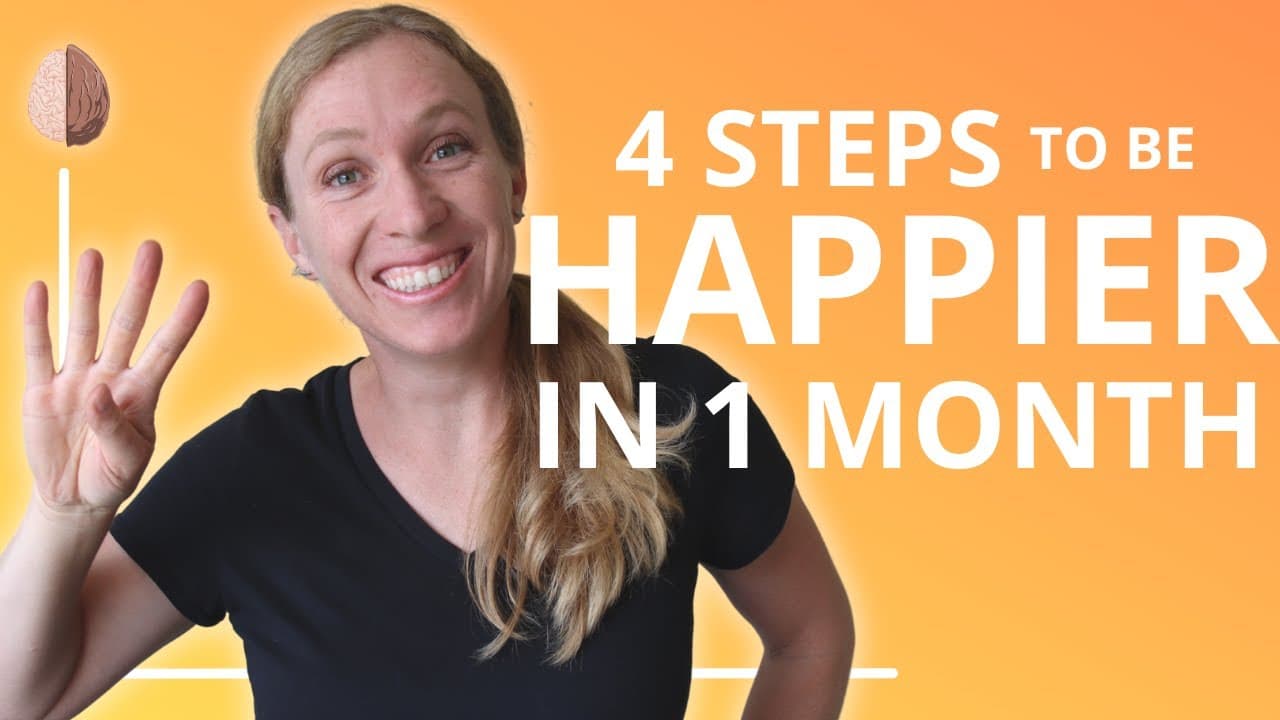
Happiness can be strengthened by repeatedly noticing what is good, helping and connecting with others, savoring small moments, and making room for laughter. Instead of forcing an immediate mood change or chasing momentary pleasure, practice one or two small daily actions for a month so your attention increasingly recognizes existing sources of joy.
Transcript
Trying to make yourself feel happy immediately usually backfires. Either you end up just seeking momentary pleasures like food, drugs, buying stuff, hooking up, or distracting yourself - all of which can make your life worse in the long run - or you end up putting so much pressure on yourself to be happy that you make yourself more stressed out... Read More
Key Insights
- Happiness is a skill that can be strengthened through repeated habits rather than forced on demand. Pressuring yourself to feel good immediately may increase stress, while chasing food, drugs, purchases, hookups, or distractions offers momentary pleasure that can worsen life over time.
- Attention influences what the brain emphasizes. Regularly noticing good experiences is presented as a way to reinforce happiness-related patterns, helping positive details become more noticeable without pretending that painful circumstances are absent or demanding that a person feel cheerful immediately.
- Gratitude practice is a daily exercise of recording a few appreciated things at a consistent time. The examples can be ordinary, including zippers, hot running water, sunshine, or snow, because the purpose is to train attention toward good things already present.
- The three good things exercise focuses on positive actions you personally brought about that day. Getting out of bed, making dinner, cleaning toys, or hugging children all qualify, because emphasizing small accomplishments helps the positive become more noticeable.
- Writing three good things produces noticeable changes within four to five days, according to research cited in the transcript. Clinical trials described there found that practicing for 14 days was associated with less burnout and depression, better work-life balance, less conflict, and greater happiness, with effects lasting six months or more.
- Helping other people can create a lasting sense of joy. The suggested practice is to begin the day intending to find someone to help, since opportunities for kindness are readily available and even a small act can improve the helper's mood for the rest of the day.
- Social connection can improve mood and help regulate the nervous system. A phone call, scheduled visit, community event, Zumba class, or choir can provide contact and belonging, even when anxiety, introversion, sickness, exhaustion, or low motivation makes reaching out feel difficult.
- Savoring and laughter help positive experiences register during demanding circumstances. Pausing to hug someone, recording a beautiful moment, keeping funny stories, laughing with friends, or watching funny videos can preserve joy and transform how difficult experiences are remembered.
Install to Summarize YouTube Videos and Get Transcripts
Explore YouTube Video Summarizer or Get YouTube Transcript Extractor
Questions & Answers
Q: How can I become happier without forcing myself to feel happy?
Treat happiness as a skill built through small, repeated actions rather than an emotion that must appear immediately. Notice good things already present, record what you appreciate, recognize positive actions you took, connect with another person, help someone, savor a meaningful moment, or laugh. These practices cultivate existing sources of joy without denying hardship or adding pressure to change your mood instantly.
Q: What daily gratitude practice can help increase happiness?
Set a reminder for the same time each day and write down a few things you appreciate. The entries do not need to describe major successes or unusually fortunate events. Ordinary things such as zippers, hot running water, sunshine, or snow are enough. The purpose is to repeatedly direct attention toward good things that already exist, which primes the mind to notice more of them during daily life.
Q: What is the three good things exercise?
The three good things exercise involves writing down three positive things you brought about during the day. These can be modest actions, such as getting out of bed, making dinner, repeatedly cleaning up toys, or hugging your children. The point is to give appropriate emphasis to your own constructive behavior, helping positive experiences become more noticeable instead of allowing stress and shortcomings to dominate attention.
Q: How long does the three good things exercise take to show results?
Research cited in the transcript says people can begin noticing more positive experiences within four to five days of writing three good things. Clinical trials described there found that 14 days of practice was associated with reduced burnout and depression, improved work-life balance, less conflict at school or work, and higher happiness. The reported benefits from those 14 days could last six months or longer.
Q: Why can helping other people make you happier?
Doing something that genuinely helps another person can produce a lasting sense of joy. The transcript contrasts self-focused attempts at happiness, such as buying, eating, or watching something, with actions directed toward friends or family. It recommends starting the day with an intention to find someone to help. Even a relatively small act of generosity can continue lifting the helper's mood throughout the day.
Q: How does social connection improve happiness?
Social connection can improve mood, support nervous-system regulation, and create a sense of belonging. The connection does not need to be elaborate. Calling a friend, scheduling time together, attending a local event, returning to a choir, or joining a Zumba class can help. The advice is to create contact even when you do not initially feel motivated, because interaction itself may improve emotional and physical well-being.
Q: How can I practice savoring positive moments?
Slow down when something good happens and give it enough attention to register. Instead of immediately returning to chores, pause to hug someone, make eye contact, play, read together, or simply remain with the experience. You can also photograph or write down one good or beautiful thing each day. Recording these moments helps preserve happy memories and balances memories of stress, exhaustion, and unfinished tasks.
Q: How can laughter help when life feels difficult?
Laughter can help turn painful, exhausting, or unpleasant circumstances into stories that are easier to carry. The transcript suggests intentionally finding something funny each day, keeping a list of humorous incidents, laughing with friends, or watching funny videos with someone close to you. A simple daily checklist can support the habit, particularly when laughter does not occur naturally during a demanding day.
Summary & Key Takeaways
-
Trying to feel happy immediately can create pressure or encourage momentary pleasures that make life worse over time. A better approach is to treat happiness as a skill. Small, repeatable practices can direct attention toward existing sources of joy without requiring anyone to deny stress, exhaustion, sadness, or difficult circumstances.
-
The first two habits involve attention and relationships. Daily gratitude and the three good things exercise emphasize what is already positive, while service and social connection create lasting enjoyment, belonging, and emotional support. Simple actions, including calling a friend, joining a group, or helping someone, can improve a difficult day.
-
The remaining habits are savoring and laughter. Slowing down allows positive experiences to register instead of disappearing beneath chores and busyness. Recording one beautiful or meaningful moment preserves good memories. Looking for humor, laughing with other people, or watching something funny can also make painful and exhausting circumstances easier to carry.
Read in Other Languages (beta)
Share This Summary 📚
Summarize YouTube Videos and Get Video Transcripts with 1-Click
Try YouTube Summary with ChatGPT & Claude or YouTube Transcript Generator
Explore More Summaries from Therapy in a Nutshell 📚





Summarize YouTube Videos and Get Video Transcripts with 1-Click
Try YouTube Summary with ChatGPT & Claude or YouTube Transcript Generator