How Will Creator-Led Ads Change Meta Marketing?
TL;DR
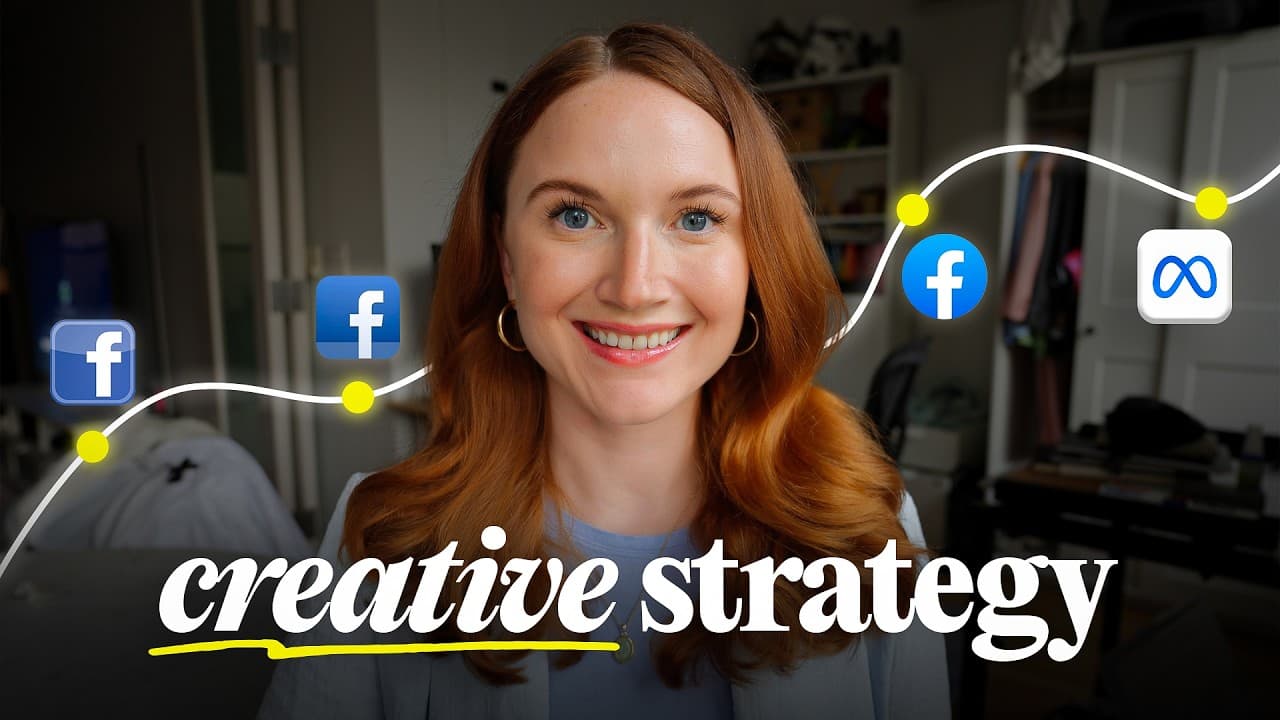
Brands should shift from merely commissioning ad creative to building sustained partnerships with creators who provide distribution, production, and content velocity. Meta’s affiliate tools and partnership ads support this creator-first model, while creative strategists must expand beyond paid-ad frameworks, collaborate closely with influencer teams, study organic platform behavior, and develop hands-on content creation skills.
Transcript
What's up, marketers? Creative strategy is about to change forever, and I truly think that brands and strategists are not ready for it. So, in today's video, I want to have a true one-on-one jam session with you guys to really just dive deep on what I am witnessing in this industry. I've been a media buyer and creative strategist for the last 10 ye... Read More
Key Insights
- Meta’s expected future of selling is creator-led, with creator endorsements or creator-produced content helping customers cross the purchase finish line. The argument is that static advertisements and AI animations may still perform, but creators will become increasingly important throughout the customer journey.
- Meta’s creator affiliate initiative allows creators to link directly to products from their Reels. The model resembles the commerce approach described in the transcript, but creators must integrate selling organically because straightforward direct-response promotion is presented as an unreliable foundation for a sustainable creator business.
- Partnership ads begin with signals from a creator’s audience, making them useful for reaching new demographics, personas, and audiences. Traditional whitelisting is described as using the creator’s handle primarily as a mask, without receiving the same distribution advantage from the creator’s established following.
- Creator-first marketing is based on sustained partnerships rather than isolated influencer transactions. The Poppi and Alex Earle example illustrates an arrangement designed to encourage organic posting by connecting the creator’s interests to the company’s growth through an investment relationship.
- Creators solve three scaling problems simultaneously: distribution, asset production, and velocity. A single creator can bring an audience, produce the necessary content, and publish more frequently, reducing reliance on separate art directors, videographers, photographers, locations, and other participants in a traditional production process.
- Influencer marketing is becoming part of growth marketing rather than remaining a separate brand function. The predicted team structure combines leadership across growth, influencer partnerships, and creative or content, contributing to the dissolution of organizational boundaries between performance marketing and brand marketing.
- Creative strategists must create for the platform, not only for Meta’s paid advertising environment. Effective planning increasingly examines content gaining momentum on organic TikTok and Reels, along with storytelling formats audiences already enjoy, before adapting those patterns into paid social assets.
- Hands-on creation is becoming a valuable capability for creative strategists. Brands are hiring creators who can review performance, write a script, shoot and edit content, and deploy it within the same day, which differs from the responsibilities typically associated with a traditional strategy-only position.
Install to Summarize YouTube Videos and Get Transcripts
Explore YouTube Video Summarizer or Get YouTube Transcript Extractor
Questions & Answers
Q: Why is Meta marketing becoming creator-first?
Meta’s stated direction, as interpreted after the Meta Performance Summit, places creator endorsements and creator-made content at the center of selling. Creators can influence customers during the purchase journey while also supplying an existing audience and platform-native assets. This makes creator relationships relevant to advertising performance, organic distribution, content production, and growth rather than treating them as a separate sponsorship channel.
Q: What is the difference between partnership ads and traditional whitelisting?
Partnership ads begin their initial targeting with signals from the creator’s audience, according to the transcript. That distinction can help brands reach new demographics, personas, and audiences. Traditional whitelisting is described as primarily using the creator’s handle as a mask for an advertisement, without incorporating the creator’s distribution in the same way to support performance and incremental reach.
Q: How do creators help brands scale their marketing?
Creators address three scaling challenges identified in the discussion: distribution, production, and velocity. They already have audiences that brands want to reach, can produce the actual content assets, and can deliver greater volume with fewer participants involved. This consolidates work that might otherwise require an art director, videographer, photographer, rented location, and a longer production process.
Q: How should brands structure long-term creator partnerships?
Brands should identify creators who can become genuine partners rather than simply spending an allocated influencer budget on isolated posts. The examples include connecting a creator’s interests to business growth through investment and embedding a creator in product development, education, launches, advertising, and organic communication. The essential principle is sustained involvement that gives both sides reasons to contribute beyond a conventional sponsorship agreement.
Q: How will creator-led marketing change growth teams?
Influencer marketing is expected to move directly into growth organizations rather than operating as a separate function. The predicted structure includes a head of growth, a head of influencer, and a head of creative or content. Celebrity, influencer, growth, and performance creative teams may increasingly converge, weakening the organizational division between brand marketing and performance marketing over the next two to three years.
Q: What should creative strategists analyze when planning content?
Creative strategists should examine content gaining traction organically on TikTok and Reels, as well as the formats and storytelling styles that customers already enjoy from creators. The approach described does not rely mainly on reviewing competitors’ advertisements or repeatedly applying problem-solution frameworks. Instead, strategists can ask additional creators to reproduce relevant organic storytelling patterns for paid social assets.
Q: What skills will creative strategists need for job security?
Creative strategists will need to become creator-first, work closely with partnership or influencer managers, and plan content for the broader platform rather than only for paid placements. Hands-on abilities will also matter, including reviewing performance, writing scripts, shooting, editing, and quickly deploying content. These capabilities help prevent the strategist’s role from being bypassed when brands hire creators directly.
Q: Why may content teams replace separate brand and performance teams?
Content increasingly serves both organic and paid distribution, making rigid divisions between brand and performance work less useful in the model described. Creator-made assets can build audience relationships, support endorsements, and run as paid advertisements. As influencer marketing joins growth operations and strategists plan for entire platforms, formerly separate celebrity, influencer, creative, and performance functions can consolidate into integrated content teams.
Summary & Key Takeaways
-
Meta’s vision of selling increasingly centers on creator endorsements and creator-made content appearing somewhere in the customer journey. New affiliate capabilities let creators link directly to products in Reels, while partnership ads use creators’ audiences as initial targeting signals rather than merely displaying advertisements through creator handles.
-
The proposed creator-first model treats creators as genuine business partners instead of one-time sponsorship vendors. Creators can address three scaling needs at once: access to an established audience, production of platform-native assets, and faster content output because fewer people and production steps are required to develop and distribute each piece.
-
Creative strategy is expected to merge more closely with influencer marketing, organic content, and growth operations. Strategists must create for entire platforms rather than paid placements alone, study content gaining organic traction, collaborate with partnership managers, and become more capable of scripting, shooting, editing, and rapidly deploying content themselves.
Read in Other Languages (beta)
Share This Summary 📚
Summarize YouTube Videos and Get Video Transcripts with 1-Click
Try YouTube Summary with ChatGPT & Claude or YouTube Transcript Generator
Explore More Summaries from Dara Denney 📚
Summarize YouTube Videos and Get Video Transcripts with 1-Click
Try YouTube Summary with ChatGPT & Claude or YouTube Transcript Generator