How to forge a serrated Tegha sword for Forged in Fire
TL;DR
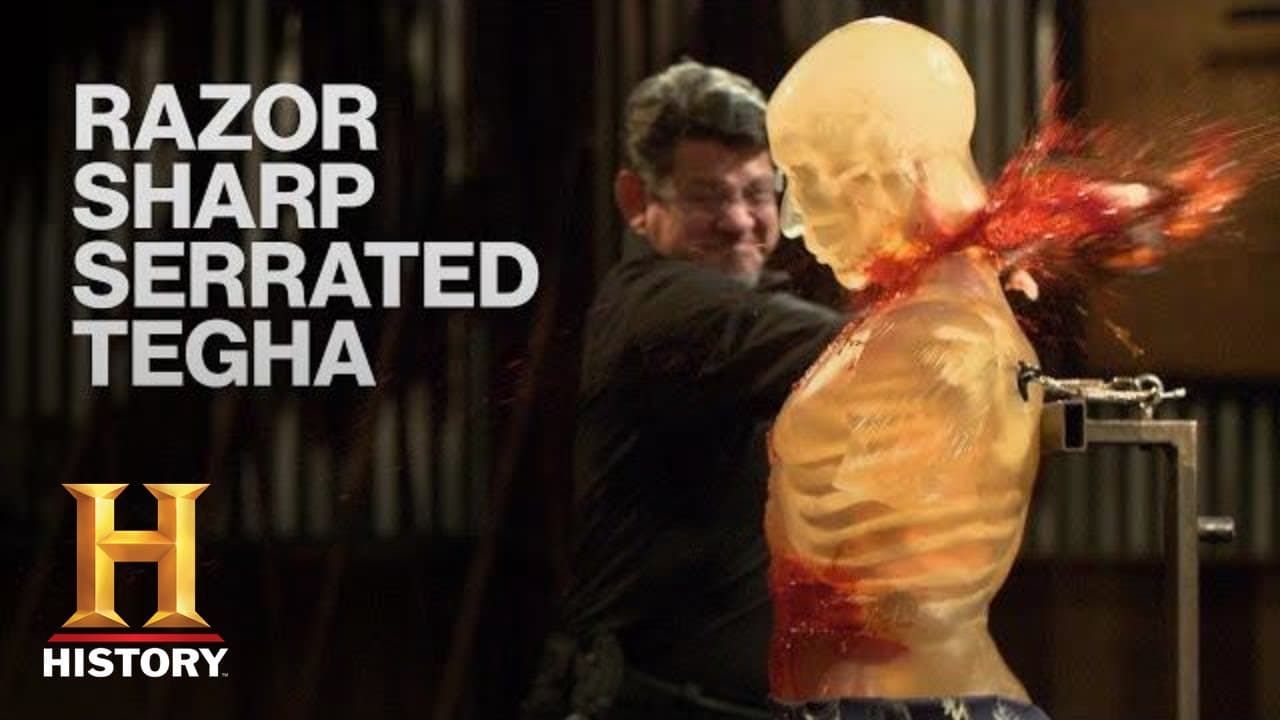
The video documents two bladesmiths racing to recreate a serrated Tegha sword with a split tip. They must hit strict specs including 24 to 26 inches in length, a minimum 3.5 inch curve, and a split tip 10 to 11 inches long with a puncture hole. The build is done at home forges over four days and judged on heat treat, strength, and edge sharpness.
Transcript
my name is kevin adams and i am a technical instructor for the united states army and i'm a part-time blakesmith my grandfather and my father worked in the same steel mill together so their influence enabled me to be able to pick up the trade fairly quickly my name is eric fontaine and i have been bladesmithing now for almost 10 years i stay wi... Read More
Key Insights
- The Serrated Tegha Sword is defined by a 24 to 26 inch blade length and a curved form with a minimum 3.5 inch curve.
- The tip must feature a split that runs 10 to 11 inches, followed by a puncture hole, and both the curved edge and the back edge are serrated and sharpened.
- A conda style hilt with a tailed pommel is required, presenting multiple forging challenges for the competitors.
- Four days are allotted for home forges to complete the blade under strict historical parameters.
- Heat treat quality is crucial as it determines edge retention and the integrity of all serrations during testing.
- The swords are tested in strength tests by smashing pots to assess durability and construction integrity.
- Sharpness tests involve cutting rope and jackfruit to evaluate edge capability and cutting efficiency.
- Despite equal skill, the final outcome hinges on heat treat performance and edge durability under stress.
- More videos from this channel:
- More from this channel: HISTORY
Install to Summarize YouTube Videos and Get Transcripts
Explore YouTube Video Summarizer or Get YouTube Transcript Extractor
Questions & Answers
Q: What are the official blade parameters for the Serrated Tegha Sword build?
The blade must be between 24 and 26 inches long, with a curvature depth of no less than 3.5 inches. The tip is split with a length between 10 and 11 inches, followed by a puncture hole at the end of the split. The serrated edge must run along the curved edge and the back edge, and the hilt must be conda style with a tailed pommel.
Q: How long do the contestants have to complete the forge work for this challenge?
Contestants have four days at their home forges to complete the sword under the given historical parameters. This timeframe tests planning, heat treatment, and precise shaping under shop and personal forge conditions while adhering to the specification constraints.
Q: What is the significance of the split tip on the Tegha sword in this build?
The split tip is a defining feature of the Tegha design, intended to deliver a specific balance of penetration and cutting capability. It also incorporates a puncture hole at the end of the split, adding a functional and symbolic aspect to the weapon as described in the challenge parameters.
Q: What judged aspects determine the winner in this episode?
Judges assess heat treat quality, edge retention, and the overall durability of the blade through strength tests and sharpness tests. The winning blade must maintain structural integrity while withstanding forceful impact and cutting tasks, demonstrating that the blade will kill under real-world conditions.
Q: What issues affected Kevin and Eric during the build and tests?
Kevin and Eric faced challenges with heat treatment and preserving serrations. Kevin’s blade showed teeth pounded back during testing due to heat treat flaws, while Eric’s blade lost some serrations but remained capable of cutting. Both demonstrated overall strong performance under the contest’s demanding tests.
Q: What were the outcomes of the strength and sharpness tests?
In the strength test, both blades withstood significant punishment with many teeth remaining intact and the blades staying in one piece. In the sharpness test, both blades cut rope and jackfruit, though some serrations dulled or damaged during the strength phase. Final results favored one champion based on performance.
Q: Who won the episode and why?
Eric won the episode as the Forged in Fire champion due to superior performance under the final evaluation, including how his blade behaved under the tests and the heat treatment results. The decision reflected both the build quality and the blade’s effectiveness in the round’s tests.
Q: What is the broader context of this build within the show?
The episode is part of a season arc where finalists are challenged to recreate a historically inspired weapon with strict parameters. It showcases technical skills, problem solving in metalworking, and dramatic competition elements that highlight the craft of bladesmithing and the storytelling of historical weapons.
Summary & Key Takeaways
-
A detailed overview of the serrated Tegha sword build and the critical design constraints used in the challenge, including length, curvature, split tip, and serrations.
-
The forges at home must craft a conda style hilt with a tailed pommel, while keeping the overall weight and balance in mind for control.
-
The episode covers the testing phases, heat treatment issues, and final judgment leading to the selection of a champion.
Read in Other Languages (beta)
Share This Summary 📚
Summarize YouTube Videos and Get Video Transcripts with 1-Click
Try YouTube Summary with ChatGPT & Claude or YouTube Transcript Generator
Explore More Summaries from HISTORY 📚





Summarize YouTube Videos and Get Video Transcripts with 1-Click
Try YouTube Summary with ChatGPT & Claude or YouTube Transcript Generator