What Are Vintage Gas Signs and Toys Worth?
TL;DR
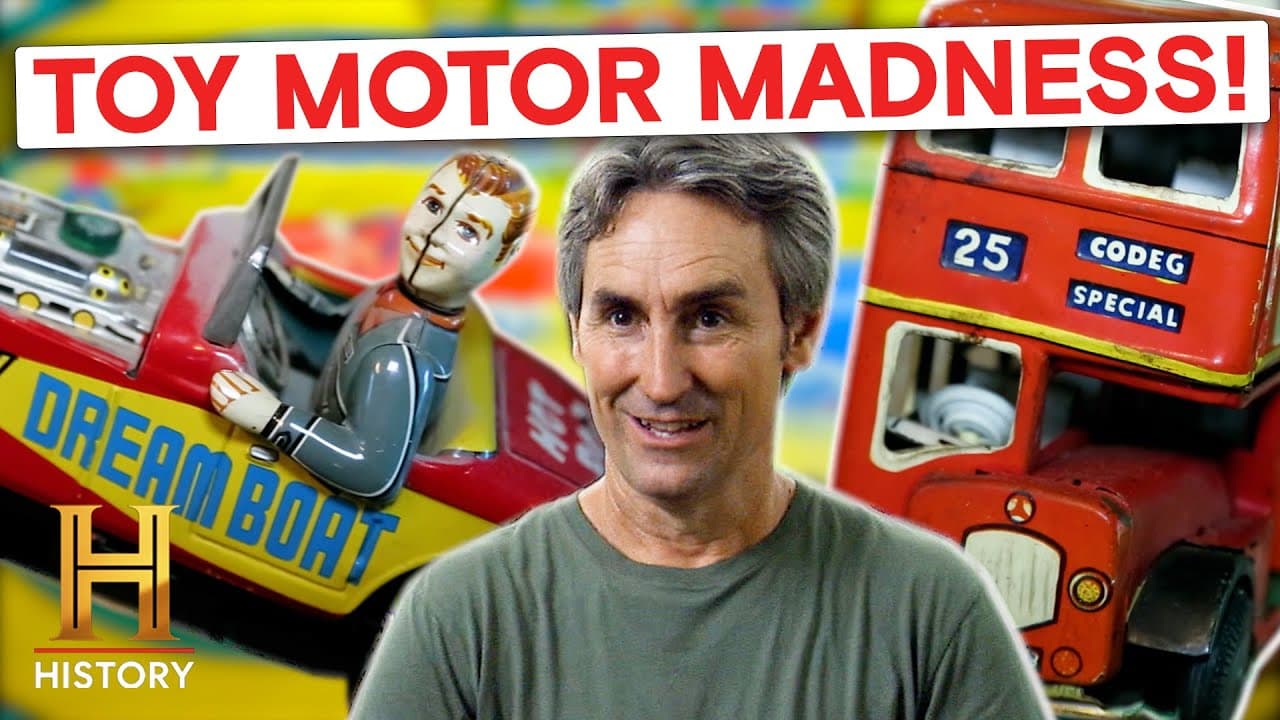
Ernie and the mentors negotiate a mix of gas station signs and vintage toys. The signs are bought for 260, the Lincoln Tunnel toy for 100, and the auto speedway set for 225, with plans to refurbish the unique Austin J40 ride for potential higher value. The dialogue highlights how provenance and condition affect pricing.
Transcript
ERNIE: Yes, I am. MIKE: Nice to meet you, I'm Mike. How's it going? ERNIE: Oh, not too bad. How are you, Mike? MIKE: Good to see ya. FRANK: Hey, Ernie. I'm Frank Fritz. ERNIE: Hello, Frank. FRANK: Nice to meet ya. MIKE: Talked to Dani on the phone? ERNIE: Mm-hm. MIKE: Here's a list that she probably went over with, some stuff on there... ERNIE: Yea... Read More
Key Insights
- Gas signs can have tangible resale value even when not pristine, as seen when 260 is negotiated for theEsso signs.
- Small transitional pieces like a non working Lincoln Tunnel toy can still hold value as display items, allowing a buyer to recoup costs through restoration potential.
- Collectors place significant value on originality and era of manufacture, guiding offers such as 225 for the auto speedway and 100 for the non functioning toy.
- Provenance matters; items sourced from junkyards or roadside discoveries often carry extra interest for buyers.
- Trade dynamics show both sides seeking favorable deals, with sellers sometimes proposing bundled or incremental pricing.
- Condition and working order influence price, but buyers may still pursue pieces with repair potential.
- The show illustrates the balance between emotional attachment and market value in antique dealing.
- European and American pieces offer different sourcing and restoration challenges that affect pricing decisions.
- More videos from this channel:
- More from this channel: HISTORY
Install to Summarize YouTube Videos and Get Transcripts
Explore YouTube Video Summarizer or Get YouTube Transcript Extractor
Questions & Answers
Q: What factors influence the price of vintage gas signs in this episode
Prices for vintage gas signs are influenced by several factors shown in the episode. The signs are dated and carry advertising history from a major brand, Esso, which adds collectible appeal. The final price of 260 reflects the signs’ condition, rarity, and the interest of the buyers in acquiring authentic signage for display rather than functional use. The negotiation also reveals a preference for fair, mid range pricing that acknowledges both the seller’s inventory goals and the buyers’ need to curate a marketable collection.
Q: Why was the Lincoln Tunnel toy considered a good buy at 100
The Lincoln Tunnel toy was considered a good buy at 100 because, although non working, it represents a unique transportation-related piece with historical value. The toy is described as a large, mechanical item with movement and components that could appeal to collectors if restored or displayed as a vintage piece. Its educational and nostalgic appeal, plus the potential for limited restoration, makes it a sensible entry point for a buyer seeking a distinctive shelf piece.
Q: What makes the auto speedway a negotiating focal point
The auto speedway is a central negotiation point because it is a complete, original setup with multiple cars and strong visual appeal. The value is driven by its era (1950s), original cars, and the opportunity to recreate a cohesive display. The agreed price of 225 reflects its desirability to collectors who value complete sets and historical context as well as the enjoyment of owning a recognizable mid century toy.
Q: How did the Austin J40 pedal car factor into the discussion
The Austin J40 pedal car is introduced as a large, authentic, real steel piece with a motor and altered interior. Its value lies in its rarity and the potential for restoration, though it requires specialized work to mount wheels and complete the spider mechanism. The discussion hints at a higher potential value if restored, illustrating how restoration feasibility drives pricing deliberations.
Q: What did Ernie mean by calling a piece a ‘subject matter expert’
Ernie used the term ‘subject matter expert’ to describe Frank’s deep knowledge of certain toys and brands, such as Unique Art and Marx, indicating that experienced specialists can recognize authenticity, condition, and potential resale value beyond surface appearance. This expertise helps inform smarter negotiation and more accurate appraisal during pickup days.
Q: How do the sellers and buyers determine when to split or adjust prices
Prices are adjusted through a mix of familiarity and practicality. The buyers offer based on the piece’s condition and potential restoration, while Ernie demonstrates willingness to negotiate, often proposing split deals or accepting a lower offer if it ensures the item moves quickly. This collaborative approach helps both sides reach a mutually beneficial agreement.
Q: What role does provenance play in the episode's pricing decisions
Provenance plays a significant role as the items come from mid century advertising and toy origins, with context about where they were found and how they were used. Collectors value authentic history, which can justify higher prices for pieces with documented pasts. The dialogue reflects this emphasis on story and origin in pricing decisions.
Q: What is the overall takeaway about buying and selling antiques on the show
The overall takeaway is that successful buying and selling hinges on matching authentic items with interested buyers, understanding condition and restoration potential, and negotiating fair terms. The show demonstrates that a balanced approach, combining knowledge, practicality, and a bit of showmanship, can unlock value across diverse collections while preserving the objects’ stories.
Summary & Key Takeaways
-
Ernie explains the origin of the gas signs and why they hold value for collectors. The negotiators settle on reasonable prices that reflect condition and rarity, with a focus on getting the items into the hands of people who will appreciate them. The interaction blends humor with authentic appraisal.
-
The episode spotlights a diverse collection including signs, friction toys, cast iron pieces, and a vintage pedal car, illustrating how collectors weigh originality, functionality, and historical context when making offers. It also shows how a seller and buyers arrive at mutually agreeable prices.
-
The featured items range from dated 1968 Esso signs to a late 1940s Austin J40 pedal car, demonstrating how mid century advertising and European toy engineering can create collectible appeal. The hosts emphasize curation and the story behind each piece as part of the value.
Read in Other Languages (beta)
Share This Summary 📚
Summarize YouTube Videos and Get Video Transcripts with 1-Click
Try YouTube Summary with ChatGPT & Claude or YouTube Transcript Generator
Explore More Summaries from HISTORY 📚




Summarize YouTube Videos and Get Video Transcripts with 1-Click
Try YouTube Summary with ChatGPT & Claude or YouTube Transcript Generator