How to test a handmade dugout canoe on icy water and weight
TL;DR
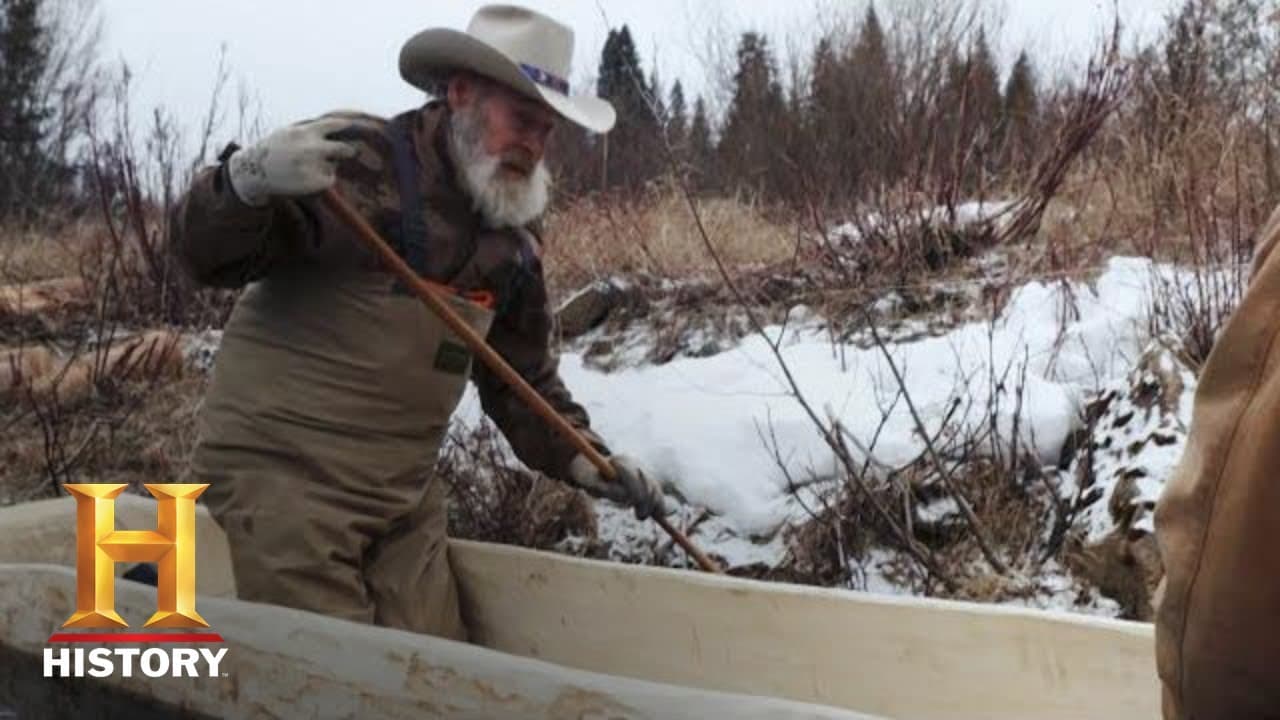
A handmade dugout canoe is tested for buoyancy and durability with load and icy conditions. The crew moves a 300-pound craft onto a trailer using log rollers and patch repairs with pine pitch are evaluated for strength. The test proves the canoe floats, while the makers consider how weather, weight, and craftsmanship affect performance.
Transcript
in montana's yak valley temperatures are on the rise and the spring melt is underway allowing rivers of solid ice to flow freely again for the first time in months that's good whoa and bringing a day warm enough to finally test the project tom's worked all winter to complete this canoe looks great an authentic dugout canoe worth five thousand dolla... Read More
Key Insights
- The canoe weighs about 300 pounds and is moved onto a trailer with log rollers.
- Pine pitch is used as a patch and is tested for durability in icy conditions.
- The dugout canoe is carved from a single 12-foot cottonwood log and should be watertight.
- Teamwork is essential when handling heavy, fragile historical crafts.
- The test includes evaluating buoyancy with added weight in partially icy water.
- The vessel is designed to be a museum piece, so avoiding damage is crucial.
- The project requires planning and a specific sequence to load and test the canoe.
- The test demonstrates a blend of traditional methods and practical testing to ensure functionality.
- More videos from this channel:
- More from this channel: HISTORY
Install to Summarize YouTube Videos and Get Transcripts
Explore YouTube Video Summarizer or Get YouTube Transcript Extractor
Questions & Answers
Q: A real search query question about the video (e.g. 'How to...', 'What is...', 'Why does...', 'When should...'). Question 1
How is a hand carved dugout canoe tested for buoyancy and safety when moved onto a trailer and in icy water conditions? The video shows the use of log rollers to move a 300-pound canoe, a pine pitch repair on a patch, and a final float test with weight. It also emphasizes the importance of preserving the canoe as a museum piece and ensuring it remains watertight.
Q: Question 2
What materials and craft techniques are used to build the dugout canoe in the video? The canoe is carved from a single cottonwood log and measures about twelve feet in length. The patch repair relies on pine pitch, and the patch is checked for potential failure under impact. The process highlights traditional, primitive methods used to construct a durable, historical vessel.
Q: Question 3
Why do the builders move the canoe onto a trailer with log rollers, and what challenges do they face? The team uses rolling rounds to maneuver the heavy craft without damaging it, aiming to avoid gouges or dents that would reduce its value as a museum piece. The process tests balance, leverage, and coordinated effort among participants.
Q: Question 4
How does weather affect the testing of the canoe in the video? The footage notes temperatures around 20 degrees and ice on the water, which adds risk to the test and influences buoyancy behavior. The test demonstrates how the craft performs under cold, variable conditions as spring approaches.
Q: Question 5
What is the role of the pine pitch patch in the video and how is it evaluated? Pine pitch is used to patch an accidental hole, and its durability is tested by placing stress on the patched area during loading and flotation tests. The craftmaker considers whether the patch could fail under the right angle strike, indicating durability under real-world use.
Q: Question 6
What does the final verdict say about the canoe’s ability to float with weight and movement? The testers conclude that the canoe floats and remains manageable with added weight, confirming buoyancy is achieved. They emphasize the intangible satisfaction of seeing a handmade craft function as intended after months of work.
Q: Question 7
What does the video reveal about the maker's philosophy toward craft and survival skills? The maker describes the dugout as a lifelong goal and a form of personal expression, comparing the process to ancient techniques used to build civilizations. The craft is presented as more than a project, but a meaningful part of the creator's identity.
Q: Question 8
What is the context of the project within Mountain Men Season 9, according to the video? The clip is part of a season finale where Tom tests a hand carved canoe in the Yak Valley, illustrating the broader theme of ingenuity, tenacity, and survival in harsh winter environments alongside the History channel's portrayal of mountain life.
Summary & Key Takeaways
-
A 300-pound dugout canoe is moved onto a trailer using primitive log rollers, highlighting teamwork and technique. The patch repair with pine pitch is tested for durability under potential impacts. The final buoyancy test checks how the canoe rides with weight in a cold, icy setting.
-
The craft is hand carved from a single cottonwood log, designed to be watertight, and the video emphasizes the importance of avoiding damage to preserve value. The testers focus on floatation and stability before delivery to a buyer.
-
The overall process showcases primitive methods, from patching to rolling, and underscores the maker’s lifelong goal of producing a functional, authentic dugout canoe despite icy adversity.
Read in Other Languages (beta)
Share This Summary 📚
Summarize YouTube Videos and Get Video Transcripts with 1-Click
Try YouTube Summary with ChatGPT & Claude or YouTube Transcript Generator
Explore More Summaries from HISTORY 📚






Summarize YouTube Videos and Get Video Transcripts with 1-Click
Try YouTube Summary with ChatGPT & Claude or YouTube Transcript Generator