Why Apiiro Won the RSAC 2021 Innovation Sandbox
TL;DR
Apiiro won the RSAC 2021 Innovation Sandbox after judges praised its mature DevSecOps product, useful workflows, visibility tools, and ability to identify secrets and flaws across code repositories. Strata was the other top finalist, recognized for connecting different identity systems and automating processes that are labor-intensive or prone to error.
Transcript
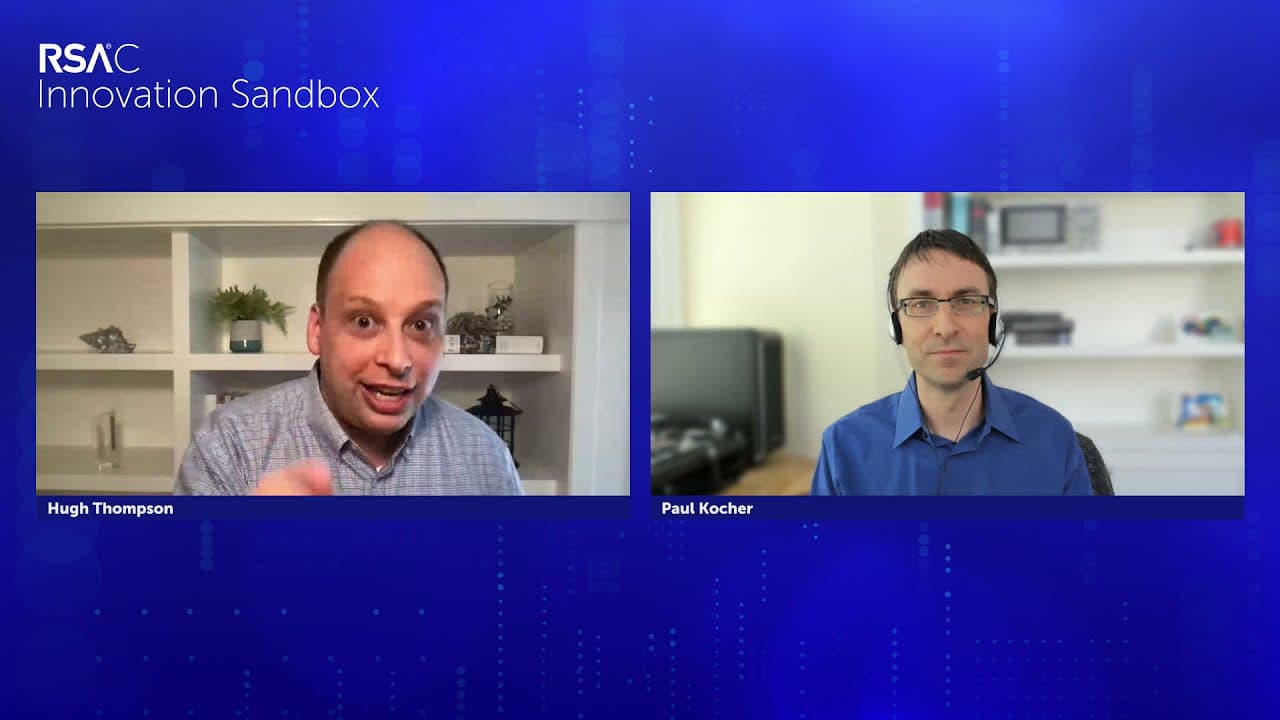
Welcome back, everybody. Since we last spoke, our judges have vigorously debated what you have all witnessed, and we now have two of our judges returning to talk about the deliberations, and also discuss our winner. Uh, I'm glad to see at least two of the judges healthy, uh, no visible signs of, you know, distress or injury, which is, uh, really go... Read More
Key Insights
- Apiiro was named the winner of the RSA Conference Most Innovative Startup 2021 competition after the judges narrowed a strong group of ten finalists to two companies and evaluated the maturity, usability, and potential impact of their security technologies.
- The 2021 finalist group was moving at exceptional speed in fundraising, operational growth, product delivery, and customer adoption. Paul Kocher observed that some companies only a year old had achieved more scale than Cryptography Research had reached after ten years.
- Cloud infrastructure security, DevSecOps, and data security were the dominant problem areas among the competing companies. Visibility and inventory served as overarching themes because organizations need clearer knowledge of their systems, code, infrastructure, risks, and sensitive information.
- Apiiro is a mature DevSecOps product with workflows and visibility tools designed for organizations producing growing amounts of code across multiple repositories. It helps users focus on security-relevant information rather than manually searching through widely distributed application assets.
- Apiiro identifies passwords, secrets, and other flaws that may be embedded in source code. Its capabilities address security concerns created when organizations continuously produce more code and distribute that code across numerous repositories, making important risks harder to locate.
- Apiiro provides visibility into security and compliance risk across applications and infrastructure, including risks associated with open source code. The judges also emphasized that the product was mature and easy to use, strengthening its position among the finalists.
- Strata addresses identity problems by helping companies connect different identity sources, identity-tracking systems, and services that need to authenticate users. The judges considered this a fresh approach to a problem with a potentially enormous market if the company can execute and scale.
- Strata includes automation intended to improve processes that are currently labor-intensive or susceptible to errors. This capability complemented its identity integration approach and helped it reach the final two, although Apiiro was ultimately selected as the competition winner.
Install to Summarize YouTube Videos and Get Transcripts
Explore YouTube Video Summarizer or Get YouTube Transcript Extractor
Questions & Answers
Q: Who won the RSAC 2021 Innovation Sandbox Contest?
Apiiro won the RSA Conference Most Innovative Startup 2021 title in the virtual edition of the Innovation Sandbox Contest. The judges selected it after narrowing the ten finalists to Apiiro and Strata. They highlighted Apiiro's mature DevSecOps product, accessible workflows, visibility tools, and ability to expose security and compliance risks across applications, infrastructure, repositories, and open source code.
Q: Why did Apiiro win the RSAC 2021 Innovation Sandbox?
Apiiro won after impressing the judges with a mature, easy-to-use DevSecOps product that addresses the growing volume of organizational code spread across many repositories. Its tools help locate passwords, secrets, and other embedded flaws while showing security and compliance risk across applications, infrastructure, and open source code. The judges viewed this as a significant problem for security leaders and organizations.
Q: What security problems does Apiiro's product address?
Apiiro addresses the difficulty of securing increasing amounts of code distributed across numerous repositories. It helps organizations find passwords, secrets, and other flaws embedded in that code. It also offers visibility into security and compliance risk across applications and infrastructure, including open source code, through workflows and visibility tools that the judges described as mature and easy to use.
Q: What did the judges say about the 2021 cybersecurity finalists?
The judges described the 2021 companies as exceptionally strong and emphasized the speed at which they were developing. The companies were raising money, scaling, bringing products to market, and gaining customer adoption rapidly. Paul Kocher noted that some companies only a year old had more scale than Cryptography Research had at ten years, illustrating how industry development had accelerated.
Q: Which cybersecurity themes dominated the 2021 finalists?
Most finalists concentrated on security for cloud infrastructure, DevSecOps, or data security. Visibility and inventory appeared as overarching themes across many of the companies. The judges connected this focus to the scale and prominence of the problems being addressed, noting that these subjects had made headlines during the year and represented important concerns for organizations and security leaders.
Q: What identity problem was Strata trying to solve?
Strata was developing a way for companies to connect different sources of identity, systems that track identity information, and systems that need to authenticate users. The judges considered its approach fresh and also noted its potential to serve an enormous market. Its success, in their assessment, would depend on whether the company could solve these integration problems effectively and scale its operations.
Q: Why was automation important to Strata's product?
Strata's automation capabilities were intended to handle identity-related processes that were currently labor-intensive or prone to error. The judges found this aspect interesting because automation could reduce dependence on manual work while supporting connections among different identity sources and authentication systems. Combined with its identity approach, this capability helped Strata become one of the contest's two leading finalists.
Q: How significant was reaching the Innovation Sandbox top ten?
Reaching the top ten was described as extremely difficult and historically associated with strong company outcomes. According to the event description, finalists from the contest's first 16 years had collectively received $5.2 billion in investments and experienced more than 50 acquisitions. The host congratulated all ten 2021 companies and said their work suggested they would remain visible for a long time.
Summary & Key Takeaways
-
The judges found the 2021 contestant group exceptionally strong and noted how quickly cybersecurity companies were raising money, scaling, launching products, and gaining customer adoption. Many finalists addressed major problems involving cloud infrastructure, DevSecOps, data security, visibility, and inventory, reflecting changes in both the threat landscape and the security market.
-
Apiiro reached the final two because its mature DevSecOps product helps organizations locate passwords, secrets, and other flaws embedded across growing volumes of code and multiple repositories. Its workflows and visibility tools provide a view of security and compliance risk across applications, infrastructure, and open source code while remaining easy to use.
-
Strata was the other top-two finalist, earning recognition for a fresh approach to identity challenges. Its technology seeks to connect different identity sources and systems that track identities or authenticate users. Judges also highlighted its automation capabilities for processes that are currently labor-intensive or error-prone, along with its potentially enormous addressable market.
Read in Other Languages (beta)
Share This Summary 📚
Summarize YouTube Videos and Get Video Transcripts with 1-Click
Try YouTube Summary with ChatGPT & Claude or YouTube Transcript Generator
Explore More Summaries from RSAC Cybersecurity 📚



Summarize YouTube Videos and Get Video Transcripts with 1-Click
Try YouTube Summary with ChatGPT & Claude or YouTube Transcript Generator