How Does Multi-Cloud Security Address Risk?
TL;DR
Multi-cloud security can compartmentalize infrastructure and tailor security practices to different areas, but it also expands an organization’s footprint and demands appropriate management skills. Cloud adoption provides flexibility, agility, and opportunities for change, while its rapid evolution requires organizations, startups, researchers, government, and industry partners to keep adapting their technology, policies, and security practices.
Transcript
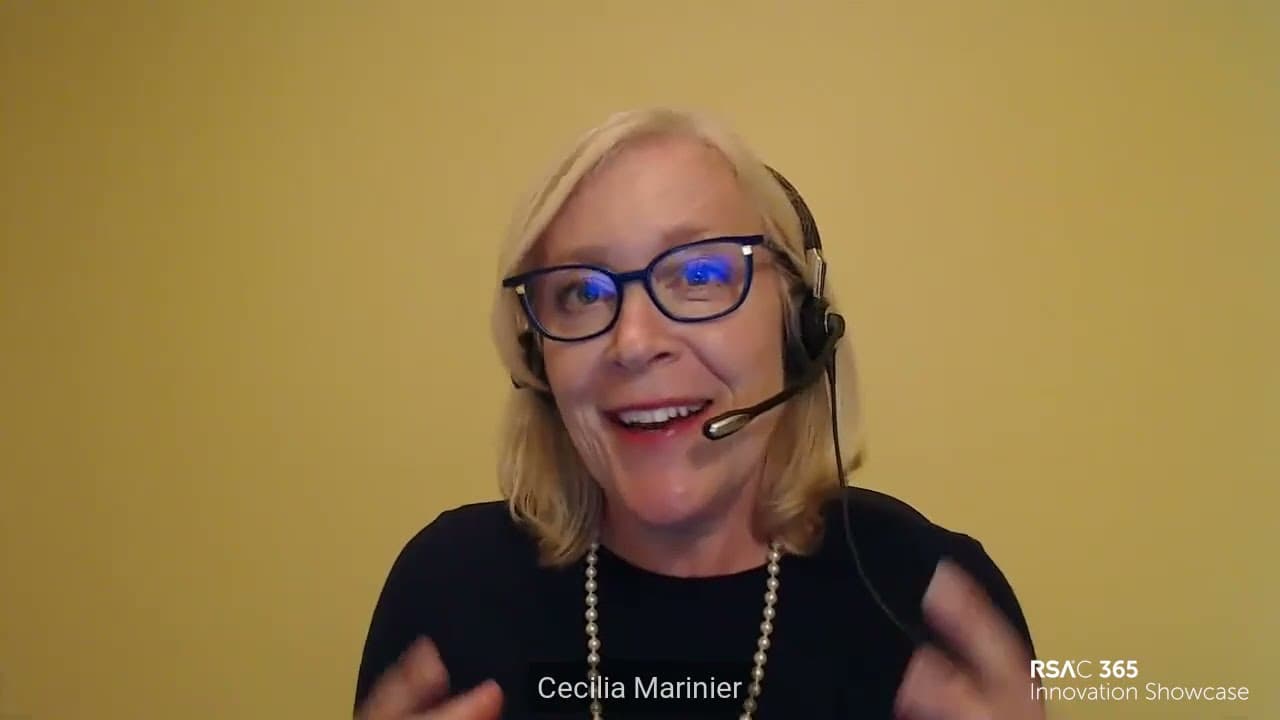
We are very fortunate today to be part of the AustCyber Cyber Week, and we're super grateful for their partnership on this event today. As you know, RSA Conference is committed to amplifying am- innovation. We want our community members to hear from companies that are novel, they're taking novel approaches to attack the complex problems our industr... Read More
Key Insights
- Cloud security is relevant to organizations of every size, from microbusinesses to the largest employers, because professional and personal data increasingly depend on cloud infrastructure, applications, policies, software, identity governance, and entitlement management.
- The central cloud security challenge is the speed and velocity of change, because every new capability or protective solution can create additional challenges for users, developers, companies, and the broader cybersecurity ecosystem.
- Multi-cloud is an environment containing different clouds of the same type, while hybrid cloud combines different cloud types within one environment. The distinction affects how organizations structure, secure, and manage their infrastructure.
- Multi-cloud security works by compartmentalizing infrastructure, which lets organizations apply focused security practices to different areas. This flexibility is available to organizations of different sizes when appropriate infrastructure providers and management capabilities are in place.
- The main operational risk of multi-cloud is an increased infrastructure footprint. Managing that footprint becomes more difficult when an organization lacks people with the right skills, even though the panel considers cloud management easier than traditional on-premises infrastructure.
- Cybersecurity must be embedded during a startup’s earliest stages, because security affects every young company regardless of its primary product. Investors supporting research-led businesses can reinforce this mindset while helping intellectual property move toward commercialization.
- Early-stage cybersecurity companies can offer cultural agility and nimbleness that large organizations built around older business models may struggle to reproduce. Their teams can include researchers, students, and people who have grown up experimenting in cyber environments.
- Cloud security innovation benefits from partnerships among government, academia, private companies, investors, and industry communities. The showcase reflects that model by connecting Australian startups and their proposed solutions with an expert panel and a broader international audience.
Install to Summarize YouTube Videos and Get Transcripts
Explore YouTube Video Summarizer or Get YouTube Transcript Extractor
Questions & Answers
Q: What are the biggest gaps in cloud security today?
The biggest challenge identified by the panel is not a single missing product or control, but the speed and velocity of change. Cloud capabilities create flexibility and new opportunities, yet each solution can also produce additional problems for users, developers, companies, and the wider ecosystem. Organizations accustomed to slower change may struggle to adapt their practices, skills, and governance quickly enough.
Q: What is the difference between multi-cloud and hybrid cloud?
Multi-cloud means using different clouds of the same type, while hybrid cloud means using different cloud types within the same environment. The distinction matters because each arrangement changes how infrastructure is divided and managed. In a multi-cloud environment, organizations can compartmentalize infrastructure and apply specific security practices to different areas, provided they have suitable providers and management skills.
Q: How does multi-cloud improve cloud security?
Multi-cloud can improve security by allowing an organization to compartmentalize its infrastructure. Separate areas can receive security practices suited to their particular functions or requirements, rather than applying one undifferentiated approach everywhere. The panel says this capability is available to organizations of different sizes and can be cost efficient when implemented with the right cloud infrastructure providers.
Q: What security challenges does multi-cloud create?
The main challenge is that multi-cloud increases an organization’s infrastructure footprint. A broader footprint can be harder to oversee and secure, especially when the organization does not have personnel with the right skills to manage it. Although the panel describes multi-cloud management as more efficient than older on-premises infrastructure, it still requires appropriate expertise, coordination, and focused security practices.
Q: Why is cloud security important for small businesses?
Cloud security is important for every organization, including microbusinesses, because organizations of all sizes need to understand how cloud systems and cloud security affect their operations and data. The panel rejects the idea that advanced cloud arrangements are only for large employers. Multi-cloud capabilities can also be available to smaller organizations when they work with suitable infrastructure providers and management support.
Q: Why should organizations work with early-stage cybersecurity companies?
Early-stage cybersecurity companies can bring cultural agility, nimbleness, and unconventional technical experience to security problems. Their teams may emerge from university research or include people who have spent years experimenting as defenders and attackers in cyber environments. According to the panel, this mindset can support innovation more effectively than organizational structures based on older business models that change slowly.
Q: How should startups approach cybersecurity from the beginning?
Startups should embed an understanding of cybersecurity at the earliest stage of company development. The venture capital perspective presented in the discussion is that cyber concerns affect every startup, even when cybersecurity is not its main product. Building that awareness early helps make security part of the company’s culture, commercialization process, technical development, and plans for reaching global markets.
Q: Why are partnerships important for cloud security innovation?
Partnerships connect expertise and resources from government, academia, private industry, investors, researchers, and cybersecurity communities. The event itself demonstrates this approach through cooperation between RSA Conference and AustCyber, an expert panel, and Australian startups presenting proposed cloud security solutions. Such relationships can amplify novel approaches, support commercialization, expose companies to questions, and help innovations reach broader markets.
Summary & Key Takeaways
-
Cloud security affects organizations ranging from microbusinesses to the largest employers. The panel frames it as a combination of infrastructure, applications, policies, software, identity governance, and entitlement management. Because cloud environments change quickly, organizations must treat security as an evolving responsibility rather than a problem solved through one permanent technical measure.
-
Multi-cloud uses different clouds of the same type, while hybrid cloud combines different cloud types within one environment. Multi-cloud can compartmentalize infrastructure and allow targeted security practices. Its principal challenge is a larger operational footprint, especially when an organization lacks the skills required to manage several cloud environments effectively.
-
Early-stage cybersecurity companies can contribute cultural agility, technical experimentation, and novel approaches developed by researchers, students, and people with extensive experience in cyber environments. The showcase connects Australian startups with an expert panel while emphasizing commercialization, international reach, partnerships, and the importance of embedding cybersecurity awareness during a company’s earliest stages.
Read in Other Languages (beta)
Share This Summary 📚
Summarize YouTube Videos and Get Video Transcripts with 1-Click
Try YouTube Summary with ChatGPT & Claude or YouTube Transcript Generator
Explore More Summaries from RSAC Cybersecurity 📚



Summarize YouTube Videos and Get Video Transcripts with 1-Click
Try YouTube Summary with ChatGPT & Claude or YouTube Transcript Generator