How to Build a Personal Brand Content System
TL;DR
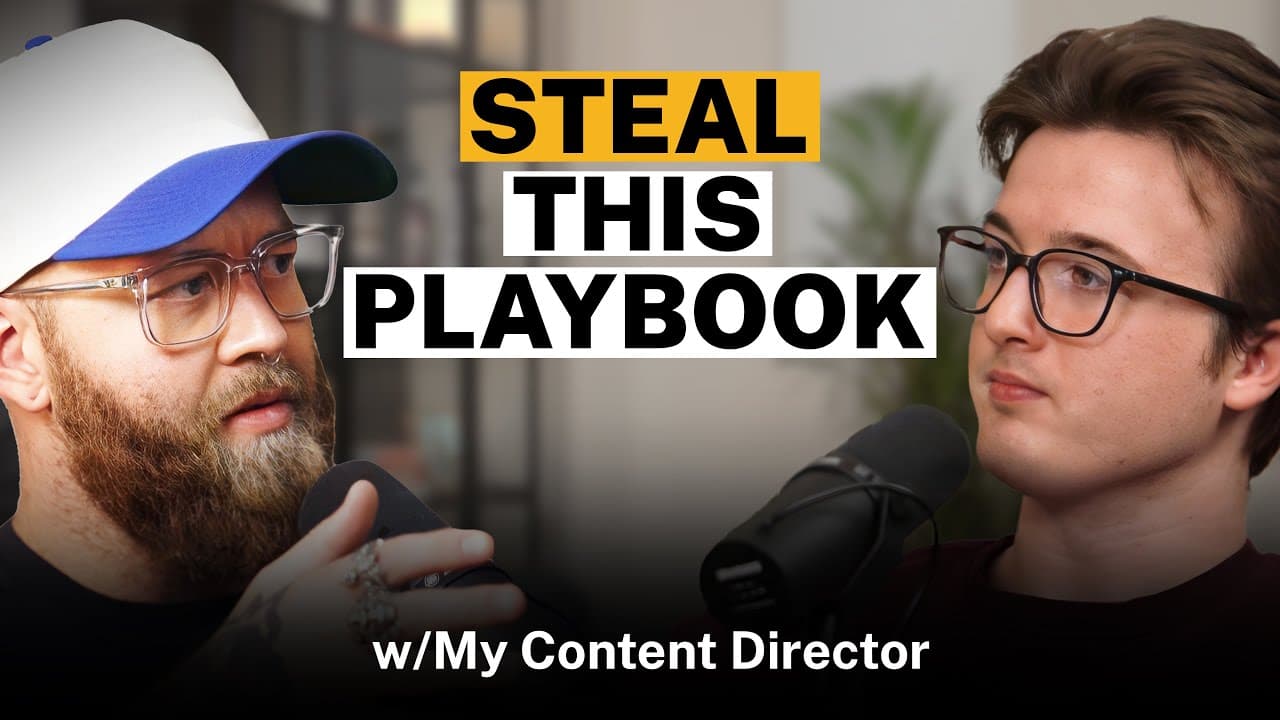
Start by turning existing material into a searchable content database, identifying repeatable topics, and organizing production before publishing at scale. The team paired this foundation with clear educational frameworks and an introduction video, helping grow the audience beyond 265,000 people and the email list to 44,000 during the first year.
Transcript
In 2025, I decided to start building my personal brand. Up until that point, I had always been the character behind the camera, not in front of it. And in the first year of building this personal brand, we grew the audience to over 265,000 people. More impressively, I would say, is the 44,000 people that we were able to get on our email list. Now, ... Read More
Key Insights
- A source-content database is a practical starting point for a new personal brand. The team transcribed the creator’s few existing podcasts, speaking material, and voice memos so they could examine his knowledge, uncover recurring ideas, and develop topics for future content.
- Content pillars should emerge from the creator’s actual expertise and existing ideas. Reviewing previously recorded material helped the content director identify recurring themes around personal branding and content, while also discovering the broader range of talking points that could support short-form and long-form production.
- An organized workflow is valuable before content volume becomes large. The team established its project management board, Google Drive structure, and file-naming conventions early because it expected production to expand and wanted future collaborators to understand the system without reorganizing everything later.
- A board-based production system makes content status visible. Each item can move from raw footage to review, approval, captioning, and publication, while attached Drive links connect the task to its files. A calendar view also shows when approved material is scheduled to appear.
- Operational visibility benefits the person appearing on camera. A maintained project board lets the talent see what happened to footage after filming, reducing uncertainty about work that required substantial time and making the production team’s progress easier to follow.
- Educational frameworks make personal expertise easier to communicate. The creator’s January focus was translating instinctive ways of operating, thinking, and analyzing into structured, bite-sized concepts that an audience could follow instead of relying on knowledge that remained implicit.
- An introduction video can establish why a new audience should trust a creator. The team assumed viewers did not know the creator, then used his career history to explain his relevant experience and frame how the audience should understand his future educational content.
- Career history becomes more useful when it includes transferable lessons. The team whiteboarded the creator’s roles and connected each major stage with one or two practical takeaways, producing a roughly 50-minute first video instead of presenting an uncontextualized list of credentials.
Install to Summarize YouTube Videos and Get Transcripts
Explore YouTube Video Summarizer or Get YouTube Transcript Extractor
Questions & Answers
Q: How do you start building a personal brand from scratch?
Start by gathering every useful piece of material you have already created, such as podcast appearances, speaking recordings, and voice memos. Transcribe and organize that material so you can identify recurring subjects, distinctive ideas, and potential teaching frameworks. Then establish content pillars, create an orderly production workflow, and make an introduction video that explains your relevant experience through useful lessons.
Q: How can existing content help define personal brand topics?
Existing content provides evidence of what a creator naturally discusses and understands. The content director transcribed a limited collection of podcasts, a speaking engagement, and voice memos, then placed the material in an AI database. Reviewing it revealed recurring themes, clarified the breadth of the creator’s talking points, and supplied initial ideas for both short-form and long-form educational content.
Q: Why should a small content team use project management software?
A project management board keeps production visible and orderly even when only a few people are involved. The team recommended a board view in a tool such as Notion, Asana, or Monday, with items moving from left to right through review, approval, captioning, and posting. This structure also makes future growth and collaboration easier to manage.
Q: What stages should a personal brand content workflow include?
The workflow described begins with recorded material and links to the associated raw footage. A content item then progresses through readiness for review, review and approval, captioning, and publication. A calendar view shows scheduled material, while an organized Google Drive and consistent file-naming convention help the team find assets and maintain the system as production expands.
Q: How does a content calendar help the on-camera creator?
A content calendar and maintained project board provide a bird’s-eye view of every item in production. The on-camera creator can check what has been filmed, what is awaiting review, what has been approved, and what is ready to post. That visibility addresses a common concern among people who invest significant time filming but cannot otherwise see what happened afterward.
Q: How do you turn personal expertise into educational content?
Begin by examining how you naturally think, analyze situations, and complete work, then convert those habits into named or clearly structured frameworks. The creator focused on distilling his inherent operating methods into bite-sized explanations that other people could follow. Observing strong communicators helped, but the central task was making implicit expertise explicit, organized, and teachable.
Q: Why should a new personal brand publish an introduction video?
An introduction video helps an unfamiliar audience understand who the creator is, what experience supports the creator’s advice, and how future content should be interpreted. The team deliberately assumed that nobody knew the creator. It presented his career history as evidence of relevant experience while connecting that history to lessons viewers could apply themselves.
Q: How can a creator present career credentials without being boring?
Career credentials become more engaging when each role is connected to a useful lesson instead of being presented as a résumé. The team spent a day whiteboarding the creator’s positions and identifying one or two high-level but practical takeaways from each. That structure supported a roughly 50-minute first YouTube video that combined personal context, credibility, and educational value.
Summary & Key Takeaways
-
The personal brand began with limited source material, including several podcast appearances, a speaking engagement, and voice memos. The content director transcribed these materials and built an AI database to map the creator’s knowledge, identify recurring talking points, and establish initial pillars for both short-form and long-form educational content.
-
The team created an organized production system before it had a large content volume. A project management board moved each item from raw footage through review, approval, captioning, and publication. Google Drive folders, file-naming conventions, linked assets, and a calendar view gave both the content director and on-camera talent visibility into progress.
-
The creator converted his natural ways of thinking and working into frameworks that audiences could understand and apply. His first YouTube upload introduced his career, established relevant credentials, and paired each career stage with a practical lesson. This approach framed his expertise without reducing the presentation to a simple résumé.
Read in Other Languages (beta)
Share This Summary 📚
Summarize YouTube Videos and Get Video Transcripts with 1-Click
Try YouTube Summary with ChatGPT & Claude or YouTube Transcript Generator
Explore More Summaries from Caleb Ralston 📚
Summarize YouTube Videos and Get Video Transcripts with 1-Click
Try YouTube Summary with ChatGPT & Claude or YouTube Transcript Generator