How to Build a Personal Brand as a Solo Creator
TL;DR
To build a personal brand solo, start with depth over breadth and tailor content to your core audience while allowing some wider appeal. Define the outcome you want from your brand, then set a ratio of niche, nichewide, and wide content that aligns with that goal. You can grow beyond initial targets by listening to audience needs and expanding offerings.
Transcript
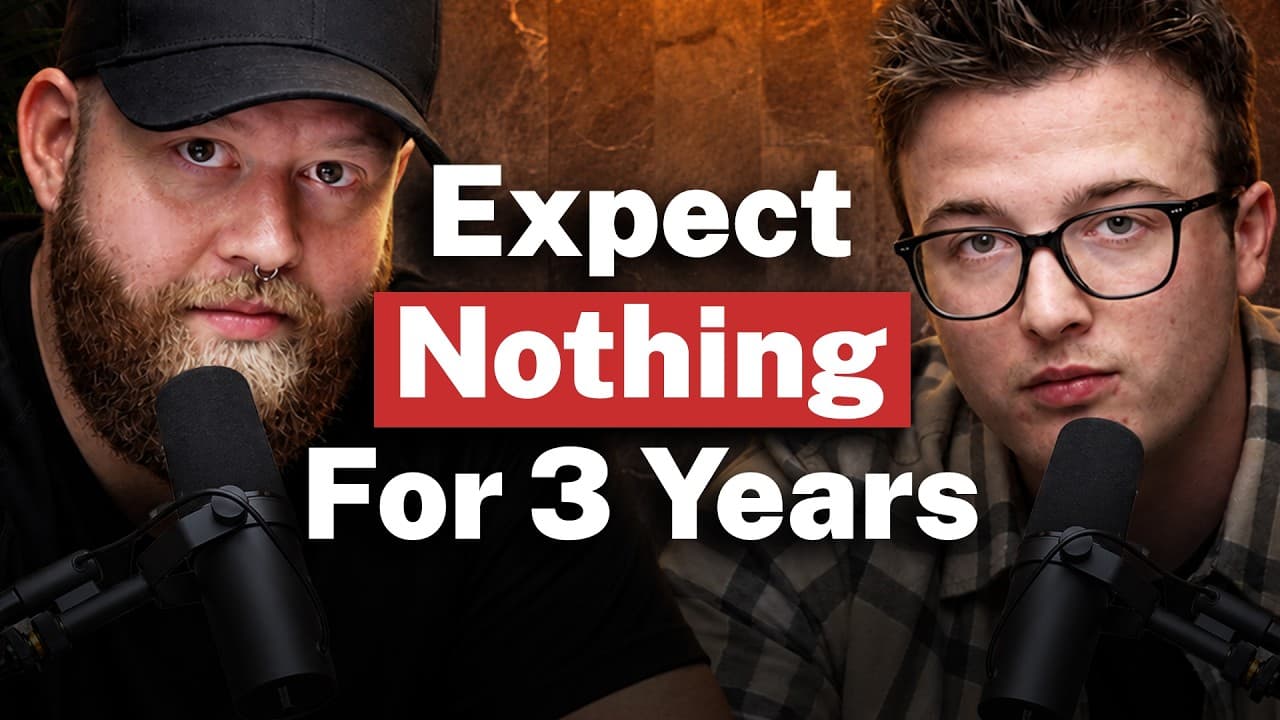
Right now, you're building your personal brand by yourself. You don't have a team who is helping you do this whole thing. >> You're either starting or you're stuck at a point that you just can't seem to get past. >> And between Trevor and I, we have a combined over 20 years of experience building personal brands online. And today, we are going to d... Read More
Key Insights
- Niche content targets a specific avatar and solves their problems directly.
- Nichewide content serves the core avatar and adjacent potential customers for broader reach.
- Wide content appeals to the general masses but should still tie back to core expertise.
- Depth in early branding helps create lasting authority and clearer audience understanding.
- Outcomes drive content strategy; define what you want your brand to achieve first.
- Callouts should be precise but not overly limiting; test and iterate messaging.
- A successful solo brand can evolve from a narrow focus to broader offerings as demand grows.
- Experimentation and listening to audience feedback are essential for scaling without losing core identity.
Install to Summarize YouTube Videos and Get Transcripts
Explore YouTube Video Summarizer or Get YouTube Transcript Extractor
Questions & Answers
Q: How to choose the initial content ratio for a new solo creator who wants to grow steadily
Start with a goal in mind and decide what outcome you want from your personal brand. If the aim is to reach a small group deeply, lean toward niche content. If you want broader awareness that could still feed a business, mix in nichewide and some wide content. The ratio should align with your desired outcomes and be revisited as your audience grows.
Q: What is niche content and how does it differ from nichewide content
Niche content is designed to solve problems for a specific avatar, focusing on a narrow audience with tailored messaging. Nichewide content targets that avatar but expands to adjacent potential customers or related groups, broadening reach without losing alignment to core expertise. Both serve different stages of audience engagement and business goals.
Q: Why is depth important when starting a personal brand
Depth builds credibility and trust by addressing core problems in a meaningful way. It helps you establish a strong foundation before expanding to broader topics. With depth, you can demonstrate expertise, attract the right audience, and create content that resonates deeply, increasing the likelihood of long term engagement and opportunity.
Q: How can callouts affect audience reach and why caution is needed
Callouts help identify who the content is for, but overly narrow labeling can alienate potential viewers who could benefit later. The key is to label in a way that is specific enough to be relevant but not so restrictive that it excludes interested individuals who may become customers in the future.
Q: What should determine the content ratio at different stages of growth
Ratio should be informed by the desired brand outcome and the stage of growth. Start with depth and clarity on who you want to serve. As you gain traction, you can broaden with nichewide and wide content to test new audience segments or opportunities, then refine based on feedback and results.
Q: Can a personal brand evolve from niche to wider topics over time
Yes, a brand can evolve. Beginning with a focused niche allows you to prove value and build trust with a core audience. As demand grows, you can expand into wider topics or adjacent niches, creating new offers or programs that attract broader segments while maintaining core expertise.
Q: What role does audience feedback play in shaping content strategy
Audience feedback is critical for validating assumptions and guiding adjustments. It helps identify which topics resonate, which avatar is most engaged, and what problems are most urgent. Use feedback to refine messaging, adjust ratios, and develop new offerings that align with audience needs.
Q: What practical steps help solo creators start building a personal brand today
Define your outcome and target avatar first, then plan a baseline content ratio that supports that goal. Create a few deep, niche posts to establish credibility, add some nichewide content to widen relevance, and occasional broad content to attract new viewers. Monitor engagement, iterate, and scale your offerings as demand grows.
Summary & Key Takeaways
-
This video explains three content strategies for solo creators: niche content aimed at a specific avatar, nichewide content that serves that avatar and adjacent groups, and wide content that appeals to a broader audience. It emphasizes starting with depth and clarity on goals before choosing a ratio. Adjustments are possible as you validate demand.
-
The speakers discuss callouts and audience targeting, noting that overly narrow labeling can limit reach. They advocate for practical experimentation and adapting content to future potential customers while remaining true to core expertise. Depth and consistency are highlighted as drivers of trust and brand growth.
-
The overall message is to design content strategically around outcomes, not just topics. By focusing on customer value and iterative testing, solo creators can attract the right followers, convert them into customers, and potentially expand offerings like select programs or services over time.
Read in Other Languages (beta)
Share This Summary 📚
Summarize YouTube Videos and Get Video Transcripts with 1-Click
Try YouTube Summary with ChatGPT & Claude or YouTube Transcript Generator
Explore More Summaries from Caleb Ralston 📚

Summarize YouTube Videos and Get Video Transcripts with 1-Click
Try YouTube Summary with ChatGPT & Claude or YouTube Transcript Generator