How to Use Micro Habits for Trauma Relief
TL;DR
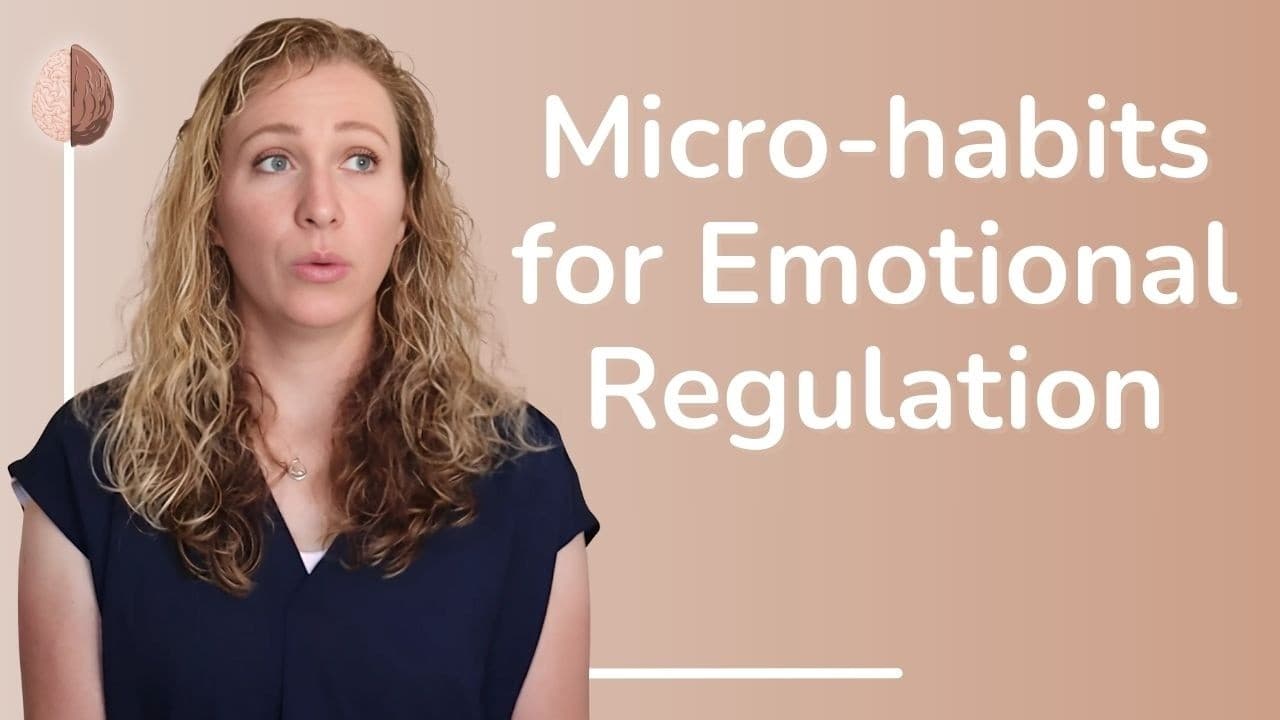
Retrain your nervous system to be calmer and healthier by incorporating nine micro habits into your daily routine. These habits include setting intentions, slowing down, creating a calming morning routine, scheduling rest, checking in with your body, restoring safety, building resilience, expanding tolerance, and winding down intentionally. Small changes can significantly reduce anxiety and improve resilience.
Transcript
It's probably the therapist in me who wonders if this minivan might have trauma. But to be serious, when you have trauma or anxiety, it's like your nervous system is an overly sensitive car alarm that goes off if anything gets too close. For someone living with trauma or anxiety, stress, hypervigilance, anger, and fear can seem to dominate your day... Read More
Key Insights
- Trauma can cause your nervous system to become sympathetically dominant, leading to chronic stress and anxiety.
- The goal is to retrain your nervous system to be parasympathetically dominant, promoting calmness and safety.
- Setting clear, actionable intentions each day can help reduce stress and increase control over your emotions.
- Slowing down your movements and creating pause routines can send signals of safety to your brain.
- Starting the day with a calming routine, like meditation or reading, can set a positive tone and reduce morning cortisol spikes.
- Scheduling regular rest periods throughout the day is crucial for nervous system regulation and overall well-being.
- Checking in with your physical sensations and emotional state can build emotional awareness and support regulation.
- Developing skills to quickly recover from triggers helps maintain a balanced and resilient nervous system.
Install to Summarize YouTube Videos and Get Transcripts
Explore YouTube Video Summarizer or Get YouTube Transcript Extractor
Questions & Answers
Q: How to retrain your nervous system from trauma?
Retraining your nervous system from trauma involves adopting daily micro habits that promote calmness and safety. These include setting intentions, slowing down, creating a calming morning routine, scheduling rest, checking in with your body, restoring safety, building resilience, expanding tolerance, and winding down intentionally. By consistently practicing these habits, you can reduce anxiety and improve your ability to recover from stress.
Q: What is sympathetically dominant?
Sympathetically dominant refers to a state where the sympathetic nervous system is overactive, leading to chronic stress and anxiety. This state is characterized by heightened alertness, hypervigilance, and a constant fight-or-flight response. It can have negative impacts on mental and physical health, making it crucial to retrain the nervous system towards a more balanced state.
Q: How can slowing down help with anxiety?
Slowing down helps with anxiety by sending signals of safety to your brain, which can reduce the body's stress response. Deliberate, slow movements can counteract feelings of rush and panic, allowing the nervous system to shift from a state of hypervigilance to one of calmness. Incorporating pause routines into daily transitions can further support this calming effect.
Q: Why is a morning routine important for anxiety?
A morning routine is important for anxiety because it sets a positive tone for the day, helping to reduce stress and cortisol spikes. Engaging in calming activities like meditation, prayer, or reading can prime the nervous system for a balanced state, reducing the likelihood of feeling jittery and tense throughout the day. A structured routine provides a sense of control and stability.
Q: What are pause routines?
Pause routines are intentional breaks during daily activities that allow you to slow down and check in with your body and mind. These routines can involve taking slow breaths, checking in with your physical sensations, or practicing mindfulness. They help send signals of safety to your brain, reducing stress and promoting nervous system regulation.
Q: How does checking in with your body help regulate anxiety?
Checking in with your body helps regulate anxiety by increasing awareness of physical sensations and emotional states. This practice builds emotional awareness without judgment, allowing you to identify and address unmet needs like hunger, thirst, or rest. Regular check-ins can promote a more balanced nervous system and improve your ability to respond calmly to stressors.
Q: What is the window of tolerance?
The window of tolerance is the optimal zone of arousal where a person can function effectively, maintaining balance between hyperarousal (stress) and hypoarousal (shutdown). Expanding this window involves engaging in activities that gently stretch your nervous system's capacity, such as movement, play, or exposure to mild stressors, helping you tolerate a wider range of emotional and physical experiences.
Q: Why is winding down important for anxiety?
Winding down is important for anxiety because it helps transition the body and mind from the day's activities to a state of rest and relaxation. Intentional evening rituals, like journaling, progressive muscle relaxation, or gratitude exercises, can promote relaxation, reduce stress, and prepare the body for restful sleep. These practices help end the day on a positive note, supporting overall well-being.
Summary & Key Takeaways
-
Retraining your nervous system involves adopting micro habits that promote calmness and reduce anxiety. Start by setting daily intentions to focus on proactive behaviors rather than reactive ones. Slow down your pace and incorporate pause routines to signal safety to your brain.
-
Begin your day with a calming routine to set a positive tone and reduce stress. Schedule regular rest periods to support nervous system regulation. Regularly check in with your body and emotions to build awareness and resilience.
-
Develop skills to quickly recover from triggers and expand your window of tolerance through movement and play. End your day with intentional wind-down rituals to promote relaxation and prepare for restful sleep.
Read in Other Languages (beta)
Share This Summary 📚
Summarize YouTube Videos and Get Video Transcripts with 1-Click
Try YouTube Summary with ChatGPT & Claude or YouTube Transcript Generator
Explore More Summaries from Therapy in a Nutshell 📚


Summarize YouTube Videos and Get Video Transcripts with 1-Click
Try YouTube Summary with ChatGPT & Claude or YouTube Transcript Generator