How to Reduce Daily Stress and Anxiety Effectively
TL;DR
Anxiety can be channeled into productive energy when you act on it and build daily routines that reduce tension. Start with small, sustainable changes like adding movement, adjusting morning habits, and moderating media intake. View stress as a temporary performance state that can power problem solving when managed with concrete actions.
Transcript
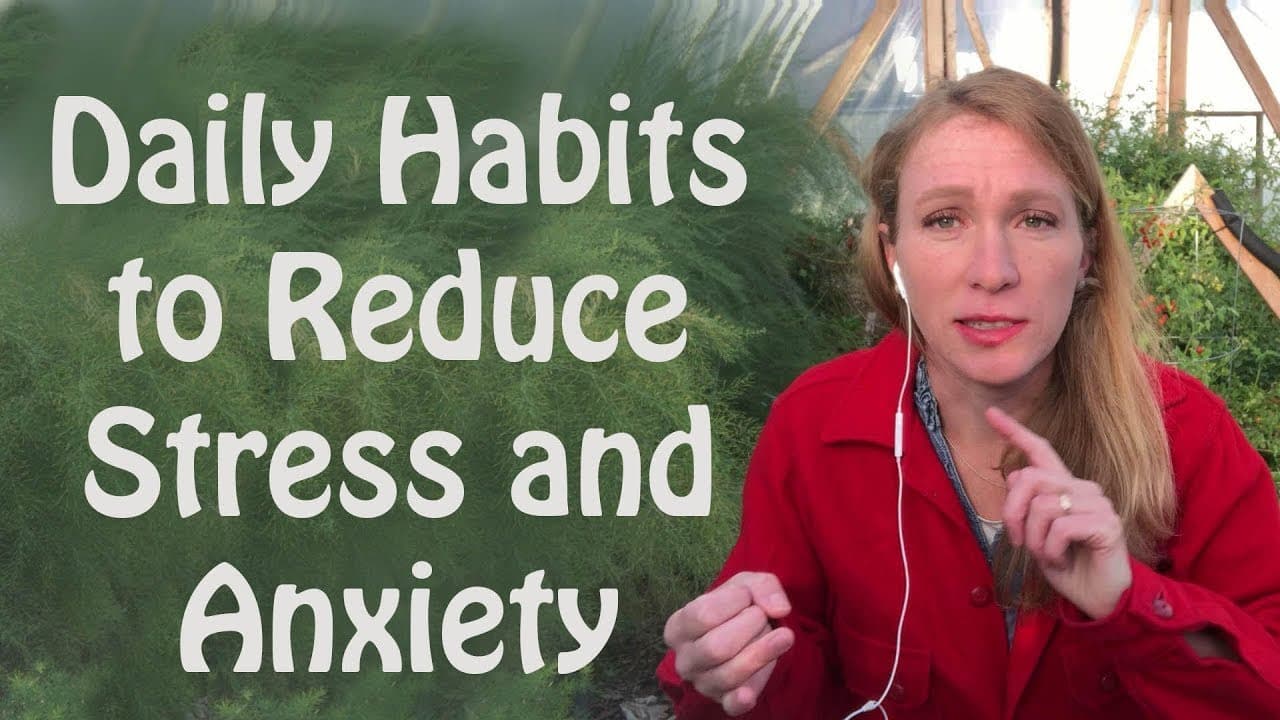
i don't know about you but for me 2020 has been a bit of a stressful year so i thought i'd share with you some of the things that i do every day to manage stress and anxiety but in this video i'm also going to explain a way of thinking about stress that can transform stress from something that is you know just something bad that happens to you ... Read More
Key Insights
- Exercise lowers the body’s stress chemicals by reducing cortisol and adrenaline, and improved mood and sleep follow from regular movement.
- The morning routine sets the day’s tone; avoiding early caffeine and news can reduce anxiety, while choosing a positive, action-oriented start improves focus and calm.
- Modern stressors often lack immediate physical outlets, so shifting energy to intentional actions helps resolve the stress response.
- Caffeine can increase anxiety and irritability even if it boosts alertness, and cutting it for a few days can reveal its impact on anxiety levels.
- Media consumption fuels stress when it provides little to no actionable outcomes, so limiting morning news and choosing constructive activities lowers arousal.
- The stress response is meant to be short term and actionable; chronic stress requires active resolution through tasks or acceptance of what cannot be changed.
- Acknowledging and marking progress through checklists or similar systems provides a sense of completion and reduces lingering tension.
- Small, incremental changes are more sustainable than drastic overhauls, making long term anxiety management feasible.
- More videos from this channel:
- More from this channel: Therapy in a Nutshell
Install to Summarize YouTube Videos and Get Transcripts
Explore YouTube Video Summarizer or Get YouTube Transcript Extractor
Questions & Answers
Q: How can I start reducing daily stress today without changing my whole routine
Begin with one small change you can sustain, such as adding five minutes of light movement to your day or shifting your morning activities away from immediate news and social media. The idea is to create a ripple effect: reduced caffeine, a brief exercise session, and a calmer start can noticeably lower daily stress. By focusing on a single change at a time, you reduce overwhelm and increase the likelihood of long term adherence. Over weeks, these tiny adjustments compound, leading to less overall anxiety and better resilience to stressors.
Q: What is the role of exercise in managing stress according to the video
Exercise is presented as essential for reducing pent up anxiety because it lowers cortisol and adrenaline, improves mood, sleep, and self esteem, and helps dissipate the energy released during stress. The video notes that aerobic exercise tends to be most effective, but any movement such as walking, cycling, or even brief stretching can help. Regular movement acts as a practical outlet for the body’s stress response, preventing it from becoming chronic.
Q: Why should I avoid starting the day with caffeine and news
Caffeine can increase adrenaline and irritability, worsening anxiety and agitation, and it can disrupt sleep and anxiety for up to 48 hours. News consumption, especially in the morning, can trigger the stress response by exposing you to global events you cannot act on immediately. The video recommends delaying caffeine and news to set a calmer, more controlled tone for the day and to choose productive actions instead.
Q: How does the video suggest handling modern stressors differently from historical ones
The video explains that modern stressors often lack a physical outlet, unlike historical challenges where adrenaline could be spent on concrete tasks. Today, without immediate actions to take, adrenaline and cortisol linger, increasing tension. The suggested approach is to channel energy into actionable steps, limit exposure to stressors where possible, and build routines that convert worry into productive activity.
Q: What is the parasympathetic response and how can I activate it
The parasympathetic response is the body’s rest and digest state that helps resolve the stress reaction after it has occurred. The video recommends turning it on through grounding or breathing exercises and emphasizes that relieving stress often comes from completing tasks or accepting what cannot be changed. Simple actions like mindfulness or paced breathing can promote this calming state.
Q: What does the video say about the role of media in stress management
Media, especially constant streams of disaster, can keep the stress response activated without offering actionable safety. The video advises choosing the tone you want for your day and limiting, rather than consuming, news and social feeds first thing in the morning. Instead, it suggests engaging with media or activities that align with a calm, purposeful mindset.
Q: How can I practically use tasks to reduce stress according to the talk
The speaker emphasizes that stress is best resolved by taking action to resolve the problem or by accepting what cannot be changed. Practically, this means completing tasks and marking progress—checklists are recommended—so you can feel a concrete sense of completion. Even small accomplishments can release pressure and restore balance, helping anxiety to subside more quickly.
Q: What is the overall mindset shift recommended for handling anxiety
The recommended mindset shift is to view anxiety as a motivating energy that can be channeled into problem solving rather than something to fear. By reframing stress as a tool for productivity and resilience, you can design daily habits—movement, mindful mornings, mindful media use, and task completion—that reduce stress levels and build lasting emotional regulation.
Summary & Key Takeaways
-
A practical approach to stress begins with reframing anxiety as a motivating energy and using it to tackle real problems, rather than avoiding it. Effective daily habits include movement, selective media consumption, and deliberate morning routines. Small, consistent changes yield long term reductions in stress.
-
Regular exercise reduces cortisol and adrenaline, improves mood and sleep, and increases self esteem. The video emphasizes aerobic or any light movement as essential for releasing built up tension caused by modern stressors.
-
Turning on the parasympathetic response through grounding or breathing exercises is important, but completing tasks and acknowledging progress provides tangible relief from anxiety. The speaker suggests checklists and clear task boundaries to reinforce a sense of completion.
Read in Other Languages (beta)
Share This Summary 📚
Summarize YouTube Videos and Get Video Transcripts with 1-Click
Try YouTube Summary with ChatGPT & Claude or YouTube Transcript Generator
Explore More Summaries from Therapy in a Nutshell 📚
Summarize YouTube Videos and Get Video Transcripts with 1-Click
Try YouTube Summary with ChatGPT & Claude or YouTube Transcript Generator