How Is Korea's Startup Ecosystem Evolving?
TL;DR
Korea’s startup ecosystem is shifting from dependence on large conglomerates toward technology-driven entrepreneurship supported by public funding, private investors, repeat founders, and incubators. Its concentrated, highly connected domestic market helps digital products spread quickly, but international investment regulations, foreign exchange rules, limited private capital, and the challenges of overseas expansion remain significant constraints.
Transcript
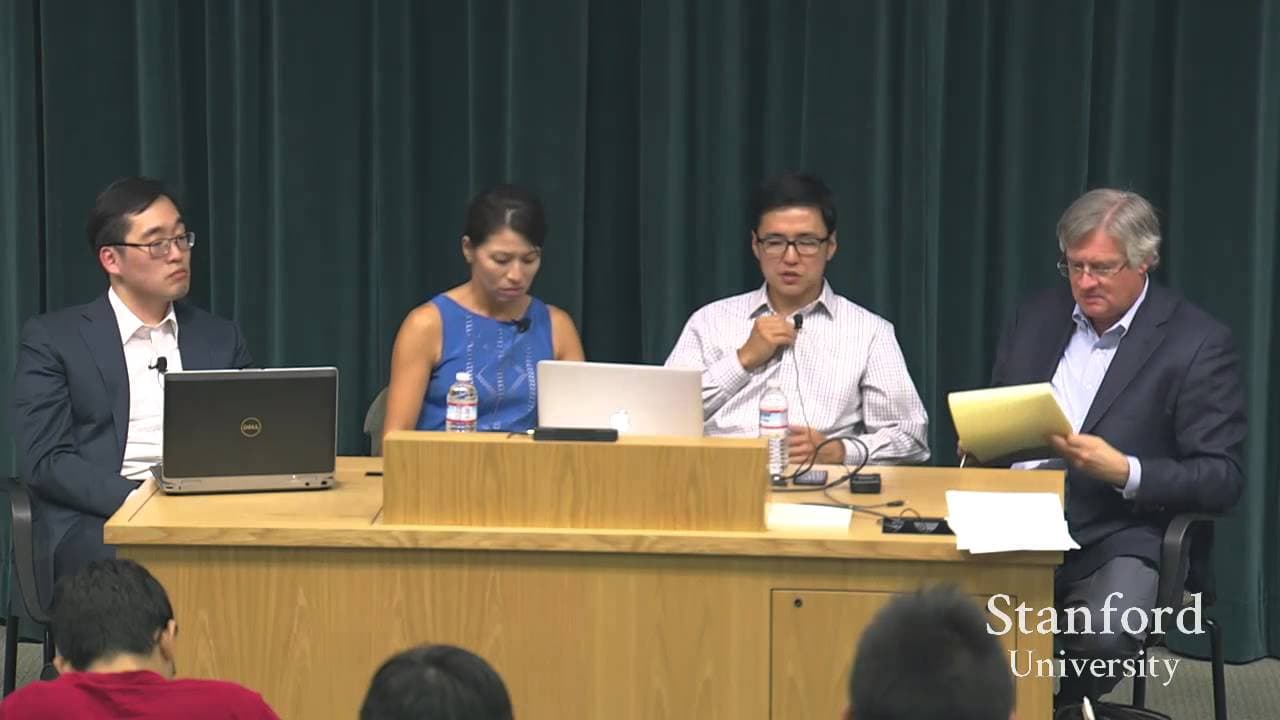
So I'm delighted that we've got, uh, three great panelists to give us per- their perspectives into what's going on in Korea. I'd like to start by asking, um, JC to give us some, uh, prepared remarks, kind of get the ball rolling. Sure. Um, nice to meet everybody. Um, uh, as I said, I work a lot with, uh, Korean startups in the Bay Area. As you can ... Read More
Key Insights
- Korea is a highly connected technology market where new digital behaviors can spread rapidly because much of the population is concentrated in the Seoul metropolitan area. Mobile services, internet platforms, streaming, and other information and communication technologies consequently occupy a central position in its startup economy.
- Korea is a tweener market because its domestic economy can sustain a startup during its initial development without requiring immediate foreign expansion. After reaching a certain growth threshold, however, many Korean companies begin considering larger overseas opportunities in the United States, China, or other markets.
- The creative economy policy seeks to shift Korea from being a follower toward becoming a leader in high-tech innovation. Its narrower practical focus involves directing public resources toward selected information technology fields and other parts of the economy considered capable of producing high growth.
- Government support is a major source of startup financing in Korea. Central and local agencies have established grants, subsidies, and funding programs, while the central government increased research and development budgets for small and medium enterprises to a reported $1.3 billion for the following year.
- Foreign investment regulations can create operational roadblocks for Korean startups and investors. One cited rule required ownership percentage changes to be reported in advance, even though startup ownership can change frequently and the final percentage may be difficult to determine before a transaction closes.
- Foreign exchange requirements can make relatively small overseas investments costly and slow. The seminar describes Korean investors potentially needing an audit when a foreign startup’s share price exceeds par value, creating an unattractive burden for a company receiving an investment as small as $100,000.
- Private startup capital is developing but still lags behind government-backed financing. New funds, angel investors, and incubators are emerging as successful founders reinvest their experience and capital, while investors are gradually moving away from treating equity investments like loans secured by company or personal guarantees.
- Startup hiring practices are becoming more focused on demonstrated ability than academic pedigree. Companies such as Naver and Ticket Monster are described as hiring and promoting skilled people who may not have attended college but possess extensive coding experience and strong job performance.
Install to Summarize YouTube Videos and Get Transcripts
Explore YouTube Video Summarizer or Get YouTube Transcript Extractor
Questions & Answers
Q: Why can technology startups grow quickly in Korea?
Technology startups can grow quickly in Korea because the country has a high rate of technology adoption, rapidly changing consumer trends, and a population concentrated heavily in the Seoul metropolitan area. That concentration creates a closely connected community in which innovations spread quickly. Mobile and internet use are especially prominent, with people regularly using phones for activities such as downloading content and watching movies, including while traveling on subways.
Q: Why is Korea described as a tweener startup market?
Korea is described as a tweener market because it is large enough for a startup to establish and sustain a business domestically without immediately entering another country. However, the domestic opportunity eventually reaches a threshold that encourages further expansion. At that stage, Korean startups commonly consider the United States, China, Southeast Asia, or other international markets as the next source of growth.
Q: What does Korea's creative economy policy mean for startups?
The creative economy policy represents an effort to move Korea away from an economic model dominated by established conglomerates and toward innovation-led entrepreneurship. Broadly, it seeks to transform Korea from a follower into a leader in high technology. More narrowly, it directs resources toward information technology and other high-growth areas through public grants, subsidies, and increased research and development support for small and medium enterprises.
Q: How does the Korean government support startup companies?
The Korean government supports startups through programs operated by both central and local agencies. These programs provide grants, subsidies, and dedicated funds for emerging companies. The central government has also increased annual research and development budgets for small and medium enterprises, with the seminar citing a budget of $1.3 billion for the following year. Government-backed capital therefore remains a major force within the startup financing market.
Q: What regulations make foreign startup investment difficult in Korea?
Foreign direct investment and foreign exchange rules can make startup transactions difficult. The seminar cites a requirement to report ownership percentages before they change, even though startup financing can alter those percentages frequently and unpredictably. It also describes an audit requirement connected to investments priced above a company’s par value, which can impose a lengthy and costly process on a foreign startup seeking even a $100,000 investment.
Q: How is private startup investment changing in Korea?
Private startup investment is expanding through the activity of successful entrepreneurs, angel investors, venture firms, and incubators, although it still trails the government-led fund of funds. The seminar points to KQ Ventures, established by KakaoTalk founders, and to experienced founders becoming angels after company exits. These developments suggest that entrepreneurial success is beginning to recycle capital, knowledge, and mentorship into newer Korean startups.
Q: Why are Korean startups looking beyond Silicon Valley?
Korean startups are looking beyond Silicon Valley because the earlier Silicon Valley-or-bust approach has not produced a major success story described in the seminar. China and Southeast Asia have become alternative first destinations for international expansion. China is presented as a particularly fast-growing economy, while both regions offer opportunities connected to mobile services, a field in which many Korean startups already concentrate their work.
Q: How are hiring practices at Korean startups evolving?
Hiring practices are becoming less dependent on attendance at the three prestigious universities identified as Seoul National University, Korea University, and Yonsei University. Younger technology companies are increasingly hiring and promoting people on the basis of practical competence. The seminar highlights candidates who began coding in high school, accumulated substantial experience, and performed well professionally despite not necessarily having attended college.
Summary & Key Takeaways
-
Korea combines rapid technology adoption with a population concentrated heavily around Seoul, allowing mobile and internet trends to spread quickly. Its domestic market is large enough to support startups initially, yet companies commonly pursue international expansion after reaching a growth threshold, increasingly considering China and Southeast Asia alongside Silicon Valley.
-
Government policy promotes a creative economy intended to move Korea from following technological developments toward leading high-tech innovation. Grants, subsidies, and expanding research and development budgets support smaller businesses, but foreign investment reporting and foreign exchange requirements can impose impractical, costly obligations on startups and their prospective investors.
-
Private startup finance remains influenced by a government-led fund of funds, although repeat entrepreneurs, angel investors, and private incubators are becoming more prominent. Investment practices and hiring norms are also changing, with fewer demands for founder guarantees and greater recognition of proven technical ability regardless of university pedigree.
Read in Other Languages (beta)
Share This Summary 📚
Summarize YouTube Videos and Get Video Transcripts with 1-Click
Try YouTube Summary with ChatGPT & Claude or YouTube Transcript Generator
Explore More Summaries from Stanford Online 📚


Summarize YouTube Videos and Get Video Transcripts with 1-Click
Try YouTube Summary with ChatGPT & Claude or YouTube Transcript Generator