How Do Software Tools Impact Artists' Power Dynamics?
TL;DR
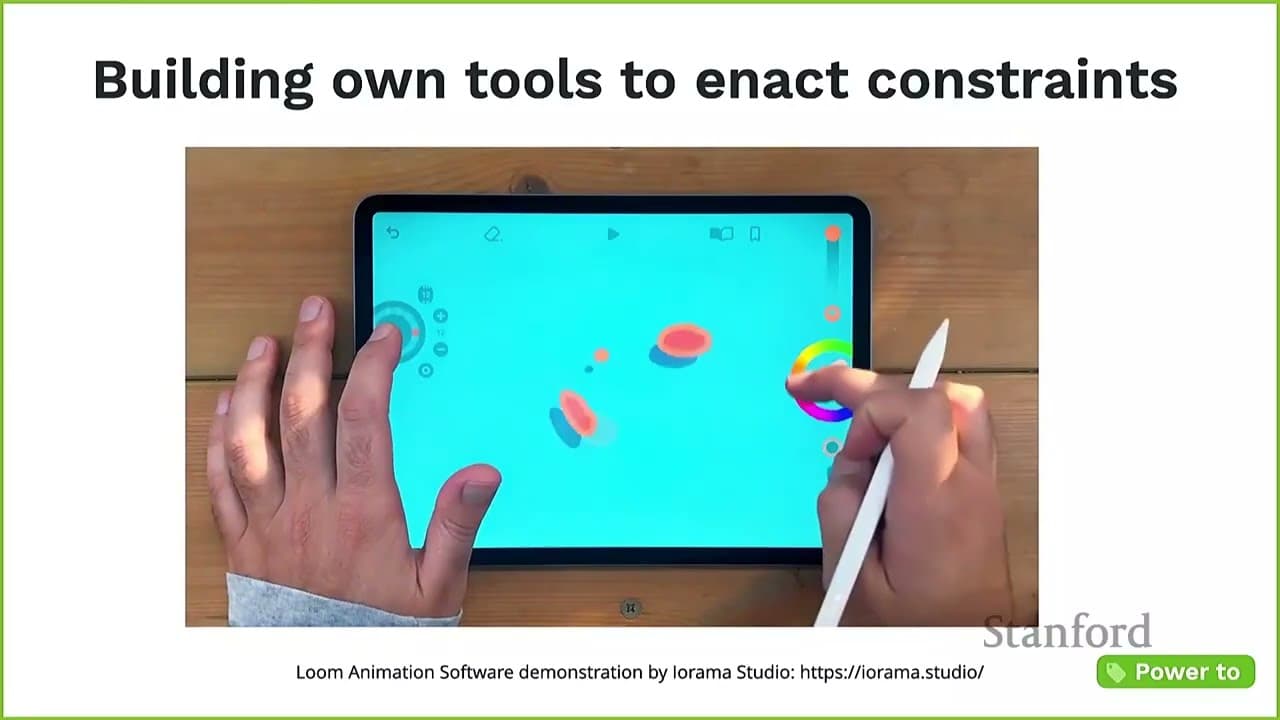
Software tools can enhance artists' creative autonomy by allowing for fine-grained aesthetic control, but they also impose limitations through preset functionalities. Understanding the power dynamics between artists and tool developers is crucial, as these relationships can shape artistic practices. Ultimately, artists may regain power by building and customizing their own tools to better fit their individual creative processes.
Transcript
and a medium for Art and Design as essential as traditional materials like paints or clay for instance painting animation and photography are just a small sample of once non-digital Fields where many practitioners now incorporate software tools such as procreate or storyboard Pro or Adobe Lightroom and though users are now working with pixels and v... Read More
Key Insights
- 🧑🎨 Software tools can empower artists by supporting their fine-grain aesthetic control and leveraging their manual drawing skills.
- ✊ Power dynamics between users and tool developers manifest through constraints imposed by preset functionality and normative ground.
- ✊ Artists can gain power by creating their own software tools and extending the capabilities of existing programs.
- 🧑🎨 Normative ground and default aesthetics in tools shape artists' creative practices and can influence their goals and intentions.
- 🔨 Tools that provide multiple entry points and composable primitives offer artists the flexibility to appropriate and extend tools according to their idiosyncratic workflows.
Install to Summarize YouTube Videos and Get Transcripts
Explore YouTube Video Summarizer or Get YouTube Transcript Extractor
Questions & Answers
Q: How do software tools empower artists in their creative workflows?
Software tools empower artists by providing fine-grain aesthetic control, leveraging their manual drawing skills, and allowing them to explore and experiment with different creative possibilities.
Q: How do power dynamics manifest between users and tool developers?
Power dynamics between users and tool developers emerge through the prescriptive nature of software features, which limit artists to only the options made visible and available by the developers.
Q: How do artists create their own software tools to gain power?
Some artists learn programming to create their own software tools, enabling them to have more control over their creative processes and extend the capabilities of existing programs.
Q: How do normative ground and default aesthetics shape artists' use of software tools?
Normative ground and default aesthetics influence artists' creative practices by defining the expectations and standards embedded within the tools, shaping how artists think, act, and express themselves.
Summary & Key Takeaways
-
Many artists now incorporate software tools, such as Procreate and Adobe Lightroom, in traditional non-digital fields like painting and animation.
-
Software tools provide interactive advantages, such as direct manipulation interfaces, undo actions, and layer organization.
-
Power dynamics exist between artists and tool developers, with constraints and limitations imposed by preset functionality and normative ground.
Read in Other Languages (beta)
Share This Summary 📚
Summarize YouTube Videos and Get Video Transcripts with 1-Click
Try YouTube Summary with ChatGPT & Claude or YouTube Transcript Generator
Explore More Summaries from Stanford Online 📚
Summarize YouTube Videos and Get Video Transcripts with 1-Click
Try YouTube Summary with ChatGPT & Claude or YouTube Transcript Generator