How Do Animals Experience Pain and Suffering?
TL;DR
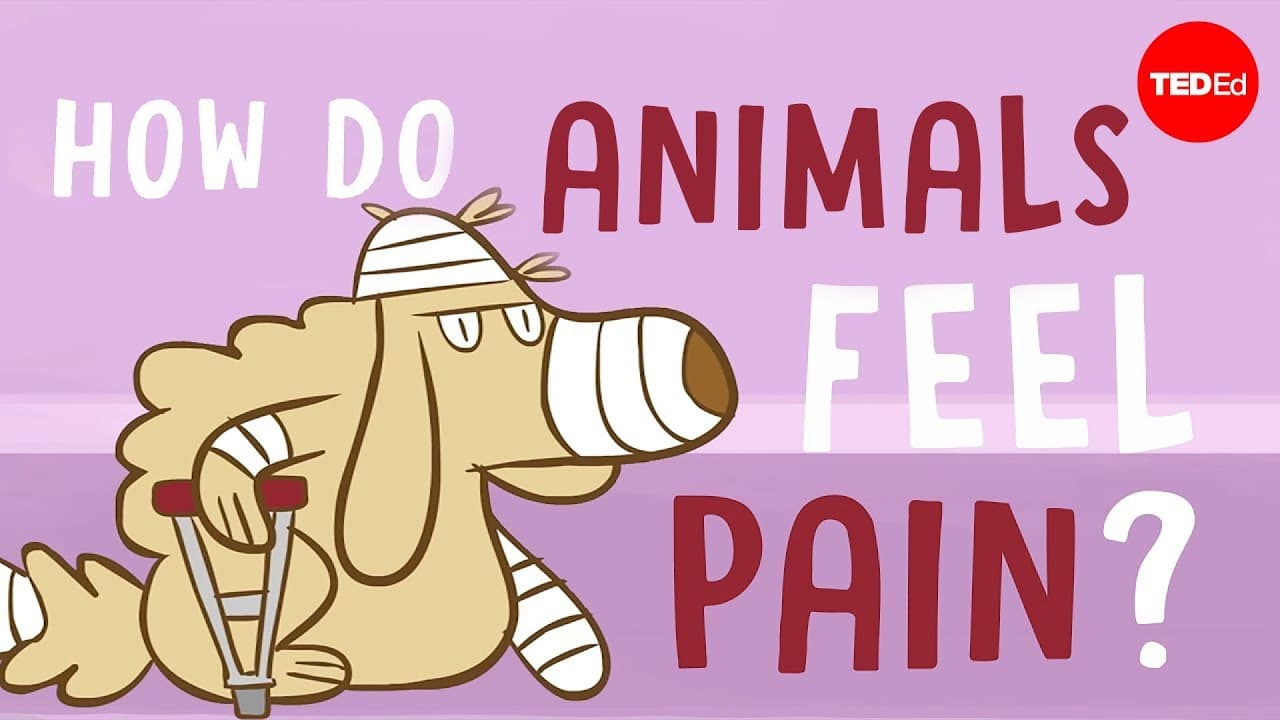
Animals, including invertebrates, experience pain through nociception and may recognize harm consciously, similar to humans. Observations of behavior, such as avoiding harmful situations and self-administering pain relief, suggest that many animals can feel pain. Understanding animal pain is essential for ethical treatment and minimizing unnecessary suffering.
Transcript
Humans know the surprising prick of a needle, the searing pain of a stubbed toe and the throbbing of a toothache. We can identify many types of pain and have multiple ways of treating it. But what about other species? How do the animals all around us experience pain? It’s important that we find out. We keep animals as pets, they enrich our envir... Read More
Key Insights
- 🎁 Nociception, the physical recognition of harm, is present in nearly all animals, enabling them to avoid threats and ensure survival.
- 😋 Understanding animal pain is crucial because animals play important roles in our lives as pets, food sources, and subjects in scientific experiments.
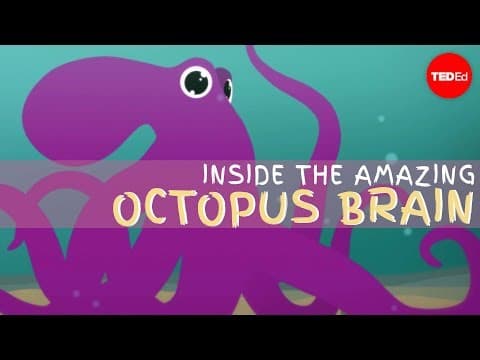
- 😟 Animals with more sophisticated nervous systems, like octopuses, may have a higher likelihood of experiencing the conscious recognition of harm.
- 😅 Ethical concerns arise when animals, including invertebrates, are subjected to unnecessary suffering, such as in the practices of eating live octopuses or boiling crustaceans.
- 👨🎨 Observing animal behavior, self-administration of pain-reducing drugs, and value judgments by animals suggest their ability to experience pain and make conscious choices.
- 👨🎨 Legal protection for animal pain is primarily focused on vertebrates, but there is a need for further research and consideration of invertebrate pain perception.
- 👨🎨 Scientific experimentation provides valuable insights into animal pain, but it remains a controversial topic.
Install to Summarize YouTube Videos and Get Transcripts
Explore YouTube Video Summarizer or Get YouTube Transcript Extractor
Questions & Answers
Q: How do animals recognize pain?
Animals, including humans, have nociception, a process where nerves in the skin sense harmful stimuli and communicate with the spinal cord, resulting in rapid movements to avoid the threat.
Q: What is the conscious recognition of harm?
In humans, sensory neurons in the skin transmit signals via the spinal cord to the brain, where complex experiences of pain associated with fear, panic, and stress are created. It is harder to determine how animals experience this process.
Q: How do scientists study animal pain?
Scientists rely on observing animal behavior, such as nursing wounds, vocalizing distress, and exhibiting reclusive behavior. In laboratory settings, animals like chickens and rats self-administer pain-reducing drugs when they are in pain.
Q: Do invertebrates experience pain?
While invertebrates like oysters and worms may exhibit nociception, they are unlikely to have the conscious experience of pain due to their simple nervous systems. In more complex invertebrates like octopuses, pain perception is still uncertain.
Summary & Key Takeaways
-
Animals, both vertebrates and invertebrates, experience pain through nociception, which helps them avoid harm and survive.
-
The conscious recognition of harm and the sensations of pain occur in humans and some animals, but it is challenging to understand the exact experience in different species.
-
Observing animal behavior, self-administration of pain-reducing drugs, and avoidance of harmful situations provide clues to animal pain perception.
Read in Other Languages (beta)
Share This Summary 📚
Summarize YouTube Videos and Get Video Transcripts with 1-Click
Try YouTube Summary with ChatGPT & Claude or YouTube Transcript Generator
Explore More Summaries from TED-Ed 📚


Summarize YouTube Videos and Get Video Transcripts with 1-Click
Try YouTube Summary with ChatGPT & Claude or YouTube Transcript Generator