How to Teach Teens Cybersecurity Effectively
TL;DR
Teenagers can build cybersecurity judgment through self-directed, skills-based lessons that emphasize security concepts, empathy, and real consequences. Schools provide a useful learning environment, while student presentations, parent-child discussions, round tables, and shared use of apps or games can help parents understand young people’s digital experiences and participate more constructively.
Transcript
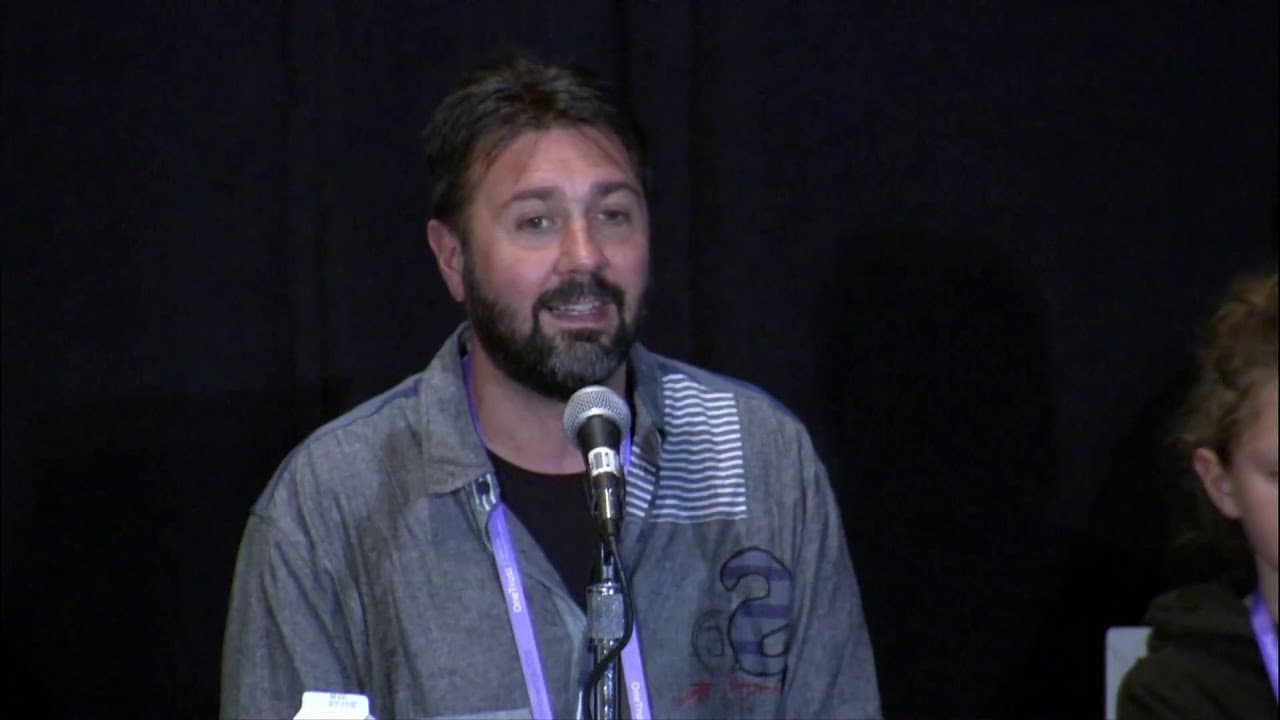
One of the things that we talk about here at Hacker High School is the idea of, of giving some sort of practical skills-based education to, to kids, teenagers 12 to 20. Uh, it's been a very successful program. It's been around since 2003. It wasn't, didn't even start to be successful until about 2014, which is probably about the time that I think m... Read More
Key Insights
- Hacker High School is a practical, skills-based curriculum created specifically to teach cybersecurity and cyber safety to teenagers ages 12–20. The program has existed since 2003, with broader success beginning around 2014 as schools and parents became more concerned about children’s digital lives.
- Self-directed learning is the curriculum’s answer to limited teacher availability. The materials were rewritten so students could teach themselves, while educators could act as proctors who help students explain concepts, present their findings, collaborate in teams, and learn without relying on conventional graded instruction.
- Security principles are more durable than technology-specific lessons. The curriculum therefore focuses on concepts such as methods of theft, the parts of operational security, analytical thinking, and security controls, since lessons centered on particular technologies can become outdated very quickly.
- Empathy and consequences are central to teaching teenagers about online risk. The program avoids relying solely on commands such as saying no, because teenagers need to examine situations, understand what can happen, and reach informed conclusions rather than simply obey unexplained restrictions.
- Parent expertise does not eliminate family conflict over technology. Even a cybersecurity specialist may still need to set boundaries, select controls, correct mistakes, and handle disagreements about phones or video games, showing that practical parenting challenges remain despite technical knowledge.
- Schools provide a stronger setting for structured cybersecurity education than homes because students already arrive prepared to learn. At home, children may resist additional educational work after a full school day, although parents still need accessible ways to understand the subjects being taught.
- Student presentations can educate parents while reinforcing teenagers’ knowledge. The Oahu model asks students to prepare 30-minute presentations on security topics, and expanding these sessions into recital-like events could motivate students while giving interested parents an approachable learning opportunity.
- Shared digital activities can open productive conversations between parents and children. Parents can use the same apps, ask teenagers how particular features work, or play games with them, recognizing that young people may have more direct experience with the platforms they use every day.
Install to Summarize YouTube Videos and Get Transcripts
Explore YouTube Video Summarizer or Get YouTube Transcript Extractor
Questions & Answers
Q: How should cybersecurity be taught to teenagers?
Cybersecurity should be taught through practical, skills-based activities that let teenagers analyze security problems and discover consequences for themselves. Lessons can be divided into manageable sections and supported by stories, humor, discussion, presentations, and teamwork. The approach should emphasize empathy and explanation instead of relying only on prohibitions, because teenagers may resist instructions that simply tell them not to do something.
Q: Why should cyber-safety education focus on security concepts instead of technology?
Security concepts remain useful even when particular devices, apps, or technologies change. A lesson built around a specific technology can become outdated quickly, while principles such as analyzing threats, understanding methods of theft, recognizing operational security, and applying security controls give teenagers a reusable framework. That framework helps them evaluate unfamiliar situations rather than memorize instructions tied to one platform.
Q: How can schools use self-directed cybersecurity lessons?
Schools can give students materials designed for independent study and allow teachers to act primarily as proctors or facilitators. Educators can ask students to explain what they discovered, present security topics, collaborate in teams, and connect lessons with regular technology classes. This structure reduces dependence on teachers who already possess specialized cybersecurity knowledge while preserving guidance and accountability within the classroom.
Q: Can Hacker High School lessons fit into a half-day school program?
The material is described as flexible and suitable for bite-sized use, so a two-hour or three-hour half-day session could use selected lessons rather than requiring the entire curriculum at once. The lessons are available free online as PDFs, and the Oahu school uses a recurring format of one and a half hours per week, with related concepts integrated into normal class time.
Q: Why is school a better setting than home for cybersecurity education?
School can be more effective because students already enter that environment with an expectation that they will learn. At home, they may be tired after spending the day in class and may treat cybersecurity activities as unwanted additional homework. Integrating the program into school provides structure, while separate presentations and discussions can keep parents informed without requiring them to recreate a classroom at home.
Q: How can teenagers help educate parents about online safety?
Teenagers can prepare presentations about security topics and deliver them to parents in a recital-like event. The Oahu model already requires students to create 30-minute security presentations, although they currently present to one another. Presenting to families could strengthen students’ understanding, give them an incentive to communicate clearly, and help parents learn about digital activities they may not personally use.
Q: How can parents discuss apps and online games with their children?
Parents can use the same apps or games and ask their children to explain how specific features and interactions work. Teenagers often have more experience with platforms such as Instagram, WhatsApp, or Fortnite because they spend more time using them. Approaching them as knowledgeable participants can create a discussion about strangers, groups, hashtags, behavior, and risk without beginning with an accusation or blanket prohibition.
Q: How can schools improve parents’ awareness of children’s digital lives?
Schools can bring parents, teachers, and children together in guided round-table discussions about online experiences. The seminar describes an example where parents discovered unfamiliar digital activities by hearing directly from children in a shared forum rather than during a conversation at home. Schools can also invite parents to student presentations, allowing families to learn while supporting their children’s work.
Summary & Key Takeaways
-
Hacker High School provides practical cybersecurity and cyber-safety education for teenagers ages 12–20. Because a shortage of teachers limited its ability to scale, the curriculum was rewritten for self-directed learning. Teachers can serve as proctors who encourage presentations, explanations, collaboration, and team-based analysis instead of delivering every lesson directly.
-
The curriculum emphasizes durable security principles instead of rapidly changing technology. Students examine structured ideas such as methods of theft, operational security, analysis, and security controls. Lessons also use empathy, consequences, humor, and narrative because teenagers often respond poorly to simple prohibitions and need opportunities to understand risks independently.
-
Parent education can occur alongside student learning. Suggested approaches include student presentations resembling recitals, mixed round tables with parents, teachers, and children, and conversations about apps that teenagers already understand. Parents can also use the same platforms or play the same games, creating opportunities to ask questions and discuss online experiences.
Read in Other Languages (beta)
Share This Summary 📚
Summarize YouTube Videos and Get Video Transcripts with 1-Click
Try YouTube Summary with ChatGPT & Claude or YouTube Transcript Generator
Explore More Summaries from RSAC Cybersecurity 📚


Summarize YouTube Videos and Get Video Transcripts with 1-Click
Try YouTube Summary with ChatGPT & Claude or YouTube Transcript Generator