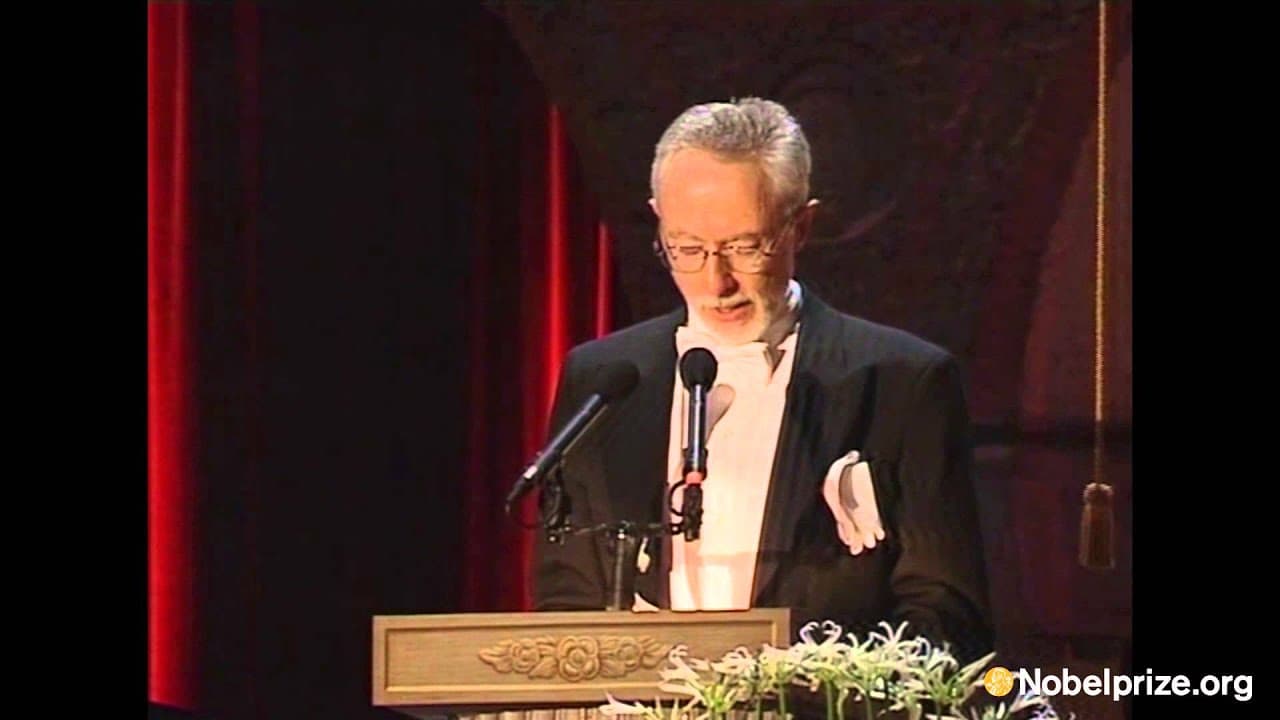
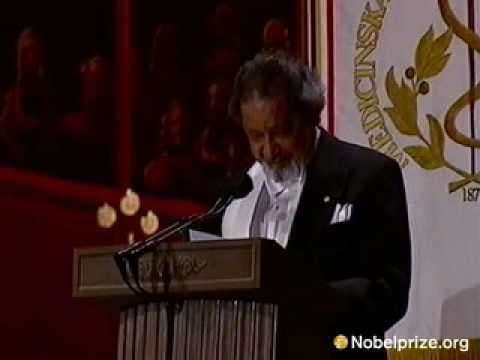
J. M. Coetzee, Literature Laureate 2003, remembers his parents in his speech
Transcript
Read and summarize the transcript of this video on Glasp Reader (beta).
Install to Summarize YouTube Videos and Get Transcripts
Explore YouTube Video Summarizer or Get YouTube Transcript Extractor
Summary
In this video, the speaker reflects on a conversation with their partner about their achievements and the hypothetical pride their parents would have felt. The speaker ponders why it is that we often only receive recognition and appreciation after our loved ones have passed away. They express gratitude towards Alfred Nobel and the foundation that organized the event.
Questions & Answers
Q: What triggered the discussion between the speaker and their partner?
Out of the blue, while engaged in an unrelated conversation, the partner brings up a contrasting viewpoint, mentioning how proud the speaker's late parents would have been of their achievements.
Q: How does the speaker respond to their partner's comment?
The speaker embraces a defensive stance initially by mentioning their mother's old age and potential senile dementia. However, they eventually acknowledge that their partner's point is valid and that their mother would have indeed been filled with pride.
Q: How does the speaker compare their achievements to those of their partner's son?
The speaker suggests that their partner's son, who is a doctor, might have been a source of pride for their mother. However, the speaker argues that their achievement as a Nobel Prize winner would have made their own mother even prouder.
Q: Why does the speaker mention the Nobel Prize in their conversation?
The speaker contemplates the purpose behind striving for such prestigious awards, suggesting that it is partly driven by the desire to make one's mother proud. They envision themselves excitedly announcing their achievement to their mother, with a touch of nostalgia, recalling childhood memories.
Q: How does the speaker imagine their mother's response to their achievement?
The speaker playfully portrays a hypothetical conversation with their mother, where she congratulates them on winning a prize and reminds them to eat their carrots before they get cold. This imagination symbolizes the impact a mother's pride can have, even in small everyday moments.
Q: Is the speaker grateful towards Alfred Nobel?
Yes, the speaker expresses heartfelt gratitude towards Alfred Nobel and the foundation that administers his will. They appreciate the foundation's efforts in organizing the event, leading to a magnificent evening of celebration.
Q: What regrets does the speaker express towards their parents?
The speaker deeply regrets that their parents could not be present for their moment of recognition. They acknowledge their parents' influence and express sadness over the missed opportunity to experience their pride in person.
Q: How does the speaker address their parents in their gratitude?
In their expression of gratitude, the speaker directly addresses their parents, apologizing for their absence and expressing their sorrow. They wish that their parents could have been present to witness the occasion.
Q: How does the speaker feel about the recognition they received?
The speaker is genuinely grateful for the recognition bestowed upon them. Their gratitude extends to their parents, indicating the significance of their pride in validating the speaker's accomplishments.
Q: What overall emotion does the speaker convey?
Throughout the conversation, the speaker displays a mix of emotions. Starting with surprise and defensiveness, they eventually transition to reflection and gratitude. The speaker seems introspective, pondering the value of recognition from loved ones and acknowledging their own journey.
Takeaways
The video prompts us to reflect on the significance of recognition from our loved ones during our lifetime. It questions why it often takes the absence of parents or close family members before we receive acknowledgment for our achievements. The speaker's gratitude towards Alfred Nobel and the foundation serves as a reminder to appreciate those who support and recognize our accomplishments. Ultimately, the message highlights the importance of expressing pride and appreciation to our loved ones while they are still alive.
Read in Other Languages (beta)
Share This Summary 📚
Summarize YouTube Videos and Get Video Transcripts with 1-Click
Try YouTube Summary with ChatGPT & Claude or YouTube Transcript Generator
Explore More Summaries from Nobel Prize 📚
Summarize YouTube Videos and Get Video Transcripts with 1-Click
Try YouTube Summary with ChatGPT & Claude or YouTube Transcript Generator