How to Use GTD to Stop Mental Clutter and Stress
TL;DR
GTD helps you free your mind by capturing every idea and action in trusted systems. Processing turns captured items into concrete next actions with clear outcomes, while weekly reviews keep your plans aligned with long term goals. The result is calmer focus and consistent progress with minimal mental load.
Transcript
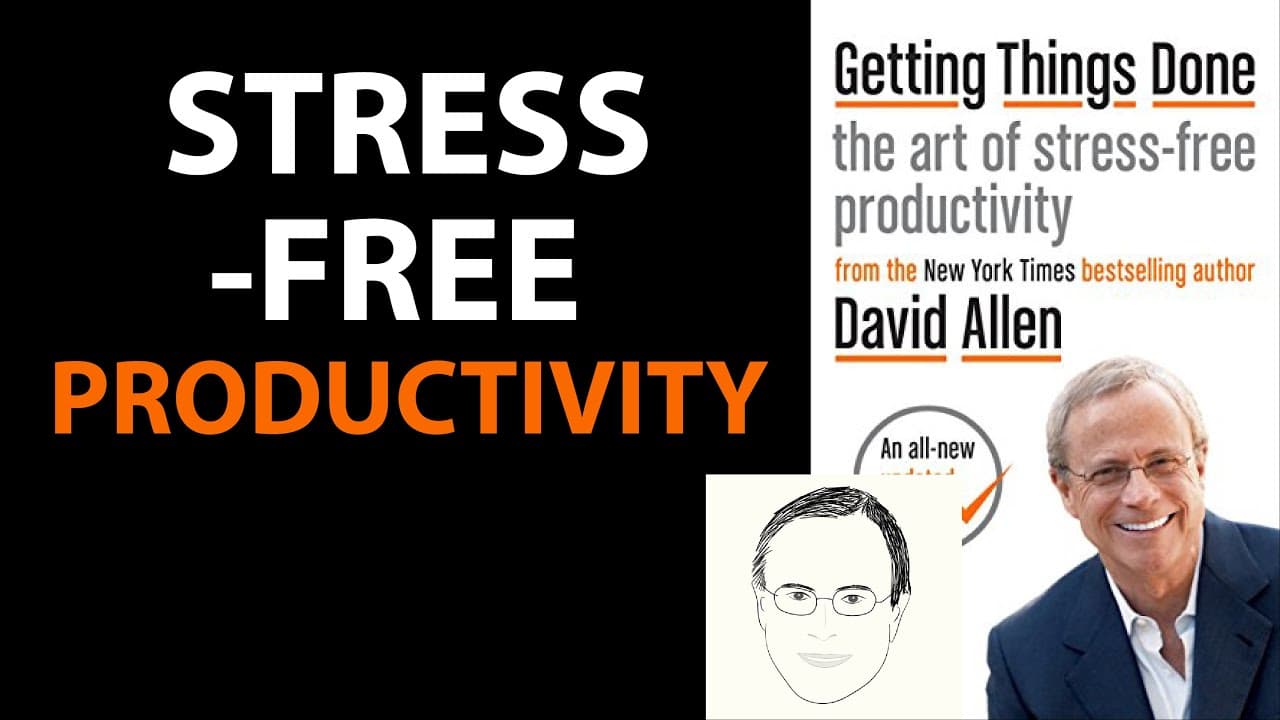
I recently reread the book getting things done by David Allen have you been in a situation at work where the number of things you could do should do or agreed to do completely consumes your mind in a desperate attempt to reduce your overwhelm did you put your appointments in a calendar actions on Post-it notes or ideas on a notepad if you use these... Read More
Key Insights
- Capturing releases psychic stress by moving ideas out of the mind into a trusted inbox.
- Processing converts items into next actions with clear outcomes and decides their fate (delete, reference, someday or action).
- Next actions start with a verb and require a very next physical step for clarity.
- If an action can be done in 2 minutes or less, do it immediately to reduce backlog.
- Time specific actions go on the calendar, non time specific go on the next action list, and items awaiting information go on follow up lists.
- Context lists (at work, at computer, at grocery store) help manage large task lists efficiently.
- Weekly reviews take a 10 000 foot, 1000 foot, and street level view to ensure alignment with 3 5 year goals and annual goals.
- The system remains alive only if you CPR capture processing and reviewing consistently.
- More videos from this channel:
- More from this channel: Productivity Game
Install to Summarize YouTube Videos and Get Transcripts
Explore YouTube Video Summarizer or Get YouTube Transcript Extractor
Questions & Answers
Q: How to start using GTD if I feel overwhelmed by tasks
Start by capturing every thought, idea, or task in a trusted inbox. Do not edit or judge them as you capture. The aim is to remove pressure from your mind by externalizing everything you think you should do, which creates mental space and reduces stress.
Q: What does processing involve in the GTD system
Processing means reviewing captured items to decide if they are actionable or useful. If not actionable but useful, move them to a reference folder; if not useful, delete. If actionable, determine the next action and ultimate outcome, then place it into the appropriate list or calendar.
Q: What qualifies as a next action in GTD
A next action is a specific task that starts with a verb and contains clear instructions for your future self. It should move you toward an ultimate outcome and be doable as the very next physical step after reviewing the item.
Q: How are items categorized after processing
Items are categorized into next actions, reference material, someday maybe, or deletions. If something is actionable but not yet ready, it goes on the next action list or calendar. If it is not needed now but could be useful, it goes to someday maybes.
Q: Why is a weekly review necessary in GTD
The weekly review provides a top down assessment to declutter the system, ensure actions and projects align with long term goals, and prioritize. It helps you weed out non essential items and commit to critical actions on the upcoming week.
Q: What is the role of context lists in GTD
Context lists group actions by where you will perform them, such as at work, at computer, or at grocery store. This makes it easier to work through tasks in sequence when you are in a specific environment, reducing set up time and cognitive load.
Q: How does GTD reduce mental load during tasks
GTD reduces mental load by confirming that all items have a place outside the mind, allowing your brain to stop juggling multiple programs. With a trusted system, you can focus on the current task and be more present with people, while still progressing on longer term goals.
Q: What is the ultimate goal of adopting GTD habits
The ultimate goal is to achieve stress free productivity by consistently capturing, processing, and reviewing. This creates mental space, ensures meaningful progress with minimal effort, and helps you stay aligned with your long term vision while maintaining presence in daily life.
Summary & Key Takeaways
-
The method centers on three core habits capture, processing, and review to prevent mental clutter and maintain control over tasks. It emphasizes externalizing thoughts into an inbox and then organizing them into actionable steps with outcomes.
-
Regular processing and context based action lists prevent overwhelm by keeping items in a structured queue. The approach shows that even small steps, when logged and clarified, reduce mental friction and improve follow through.
-
Weekly reviews provide alignment between daily actions and long term goals, ensuring that priorities reflect aspirations and that non essential items are pruned from the system.
Read in Other Languages (beta)
Share This Summary 📚
Summarize YouTube Videos and Get Video Transcripts with 1-Click
Try YouTube Summary with ChatGPT & Claude or YouTube Transcript Generator
Explore More Summaries from Productivity Game 📚


Summarize YouTube Videos and Get Video Transcripts with 1-Click
Try YouTube Summary with ChatGPT & Claude or YouTube Transcript Generator