What Will Cities Look Like in 2125 and Why?
TL;DR
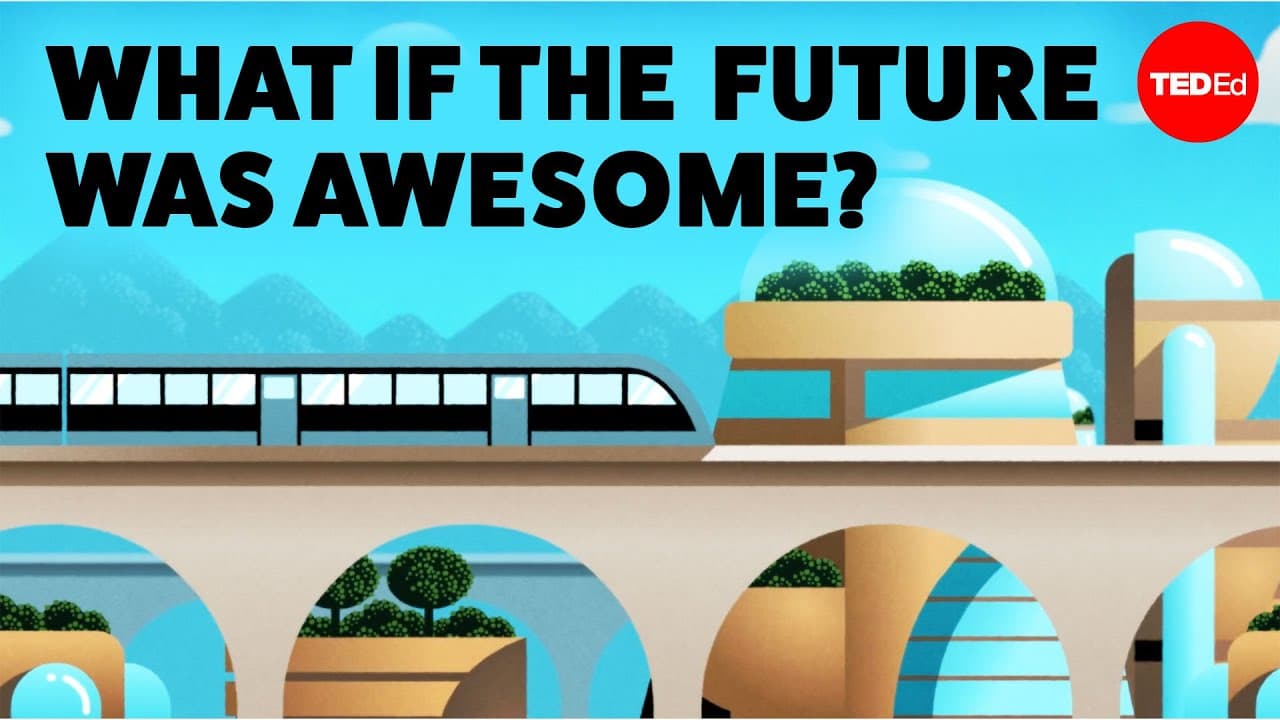
In 2125, cities like Los Angeles, Lagos, and São Paulo can transform into sustainable havens by integrating technology with nature. This vision includes electric transportation, vertical farms, and restored ecosystems, showcasing how collective efforts and modern innovations can address urban challenges and create vibrant communities.
Transcript
Faced with the realities of current crises, it's easy to assume our world is headed in a bleak direction. But there’s good reason to be hopeful— with developments in science and technology, a positive future is more viable than ever before. So, what if the future was awesome? Let’s explore what the future of three cities could look like, if we harn... Read More
Key Insights
- 🤞 Cities like Los Angeles, Lagos, and São Paulo represent a vision of hope where technology and nature coexist harmoniously to address urban challenges.
- 👳 The solarpunk movement inspires sustainable urban development, promoting community involvement and ecological lifestyles while envisioning a brighter future.
- 🏙️ Electric transportation and communal skill-sharing models are pivotal in fostering community engagement and reducing reliance on fossil fuels in future cities.
- 👳 Restoration of natural environments, such as wetlands in Lagos, demonstrates how urban landscapes can be enhanced to prevent ecological disasters while benefiting local communities.
- 👳 Repurposing materials and integrating solar energy in building designs signify a shift towards sustainable living and offer practical solutions to urban housing crises.
- 👳 Global initiatives like net-zero housing, urban farming, and urban beekeeping showcase diverse strategies embracing sustainability across various cultural contexts.
- 🤩 The collective will to adopt transformative technologies and practices holds the key to realizing the potential of sustainable cities in the near future.
Install to Summarize YouTube Videos and Get Transcripts
Explore YouTube Video Summarizer or Get YouTube Transcript Extractor
Questions & Answers
Q: What role does the concept of solarpunk play in the visions for future cities?
Solarpunk is a social and artistic movement that envisions a harmonious relationship between humans, nature, and technology. It inspires these future city visions, suggesting that sustainable solutions can be integrated into urban environments, fostering a community based on ecological awareness and mutual benefit. This optimistic outlook challenges the current narrative of crisis and inspires action towards achieving a better, greener future.
Q: How has Los Angeles transformed its transportation system by 2125?
By 2125, Los Angeles has shifted from a car-dependent culture to one that prioritizes electric bikes, buses, and trains for transportation. This system is designed to be free of charge, promoting community contributions in place of monetary exchange. Citizens share technical skills, gardening knowledge, or entertainment, thereby fostering social interactions and a collaborative spirit, making commuting a more inclusive and sustainable experience.
Q: What innovative agricultural techniques are being used in futuristic cities?
Future cities implement diverse agricultural methods such as vertical farming, where crops are grown in high-rises, and portable farms that utilize temperature-controlled shipping containers. These techniques maximize space and resources while ensuring that city dwellers have access to fresh and nutritious food. Additionally, the integration of technology within agricultural practices allows for improved nutrient delivery and efficient farming in urban settings.
Q: How does Lagos address environmental challenges in the future?
Lagos has transformed its coast by restoring wetlands that function as natural flood sponges. The city employs a network of pipes and turbines to harness the energy from flowing water, converting it to electricity for infrastructure. This approach not only protects against flooding but also promotes biodiversity and community engagement, demonstrating a proactive response to environmental challenges.
Q: In what ways has São Paulo improved its housing conditions by 2125?
São Paulo has successfully reimagined its housing landscape by repurposing materials from its industrial past to construct safe, sanitary buildings. These new homes generate solar power and facilitate rainwater harvesting. The development includes communal spaces like a solar-powered football stadium that supports local biodiversity, making significant strides in improving living conditions and sustainability for its residents.
Q: What are some global examples of communities adopting sustainable practices?
Across the globe, various communities are implementing innovative sustainable practices. Vancouver's Indigenous First Nations are creating net-zero housing with green spaces, while Singapore promotes urban farming in skyscrapers. Prague's urban bee-keeping initiatives foster biodiversity and community engagement. These examples reflect a broader movement towards sustainable living, encouraging healthier environments and connected communities.
Q: Why is optimism considered a vital force in the pursuit of sustainable futures?
Optimism serves as a powerful motivator in the pursuit of sustainability. It encourages individuals and communities to believe that positive change is achievable and to take proactive steps towards implementing new technologies. This hopeful perspective can galvanize collective action and innovation, making transformative solutions more likely to manifest in real-world applications.
Q: What technological advancements are crucial for building sustainable cities in the future?
Key technological advancements include renewable energy systems like solar power, efficient water management technologies, and innovative agricultural practices such as hydroponics and vertical farming. These technologies not only address pressing environmental concerns but also provide sustainable solutions that enhance urban living, leading to healthier and more resilient cities for future generations.
Summary & Key Takeaways
-
The future of cities like Los Angeles, Lagos, and São Paulo demonstrates an optimistic approach to sustainability, integrating technology and nature.
-
In 2125, innovative solutions such as vertical farms, renewable energy, and restored coastlines transform current urban challenges into vibrant, sustainable communities.
-
This analysis highlights the importance of collective efforts and modern technologies in developing sustainable systems that can enhance urban living and environmental health.
Read in Other Languages (beta)
Share This Summary 📚
Summarize YouTube Videos and Get Video Transcripts with 1-Click
Try YouTube Summary with ChatGPT & Claude or YouTube Transcript Generator
Explore More Summaries from TED-Ed 📚





Summarize YouTube Videos and Get Video Transcripts with 1-Click
Try YouTube Summary with ChatGPT & Claude or YouTube Transcript Generator