How Can Displays Support Trauma Response Teams?
TL;DR
Interactive wall displays can support trauma teams by making patient information easier to see and share during fast, coordinated care. Their design should reflect the ATLS workflow, team hierarchy, role-specific responsibilities, and the communication practices already used in the trauma bay, with medical staff participating throughout iterative design and evaluation.
Transcript
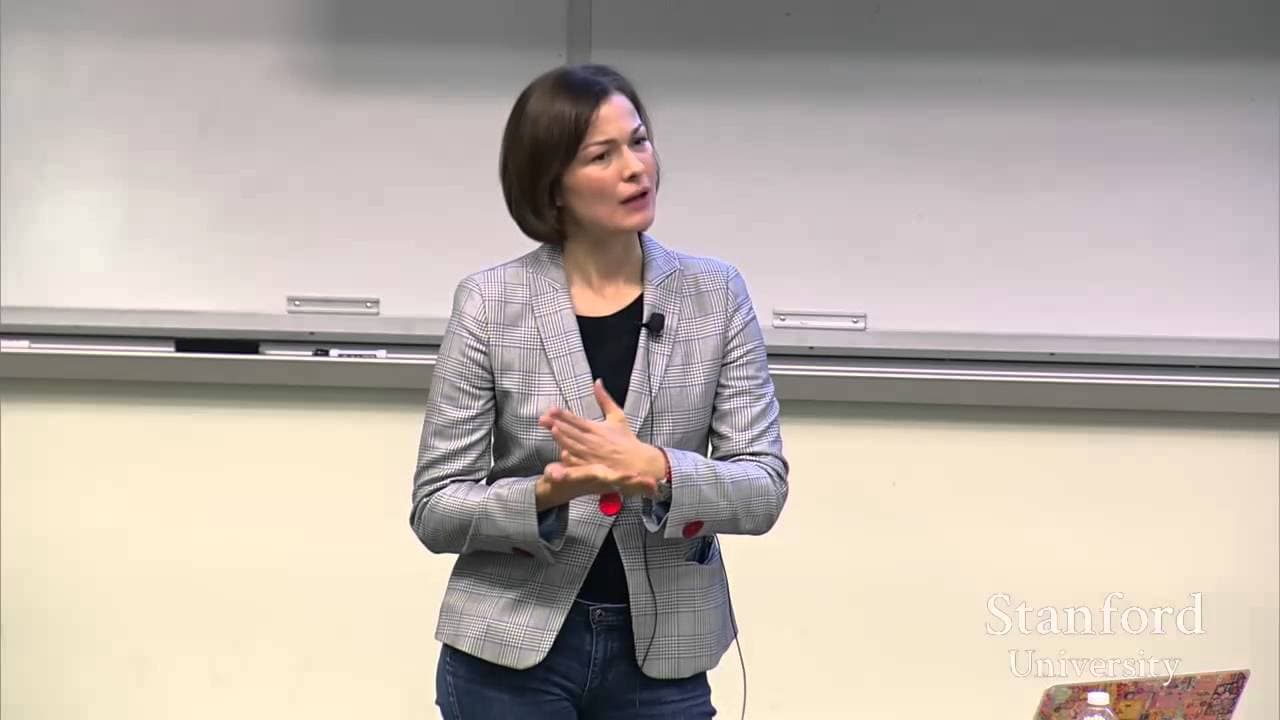
Well, good afternoon, everyone. Thanks so much for coming. I know it's finals week, um, but thanks a lot for taking the time away from exams a little bit. Um, so I will, uh, talk today about the research our group has been doing on trauma resuscitation, as Michael just said, for the past seven years. Um, but more specifically, I will focus really o... Read More
Key Insights
- Trauma resuscitation is a fast-paced medical process focused on stabilizing severely injured patients, detecting life-threatening injuries, and developing a hospitalization plan. Because care must be rapid, efficient, and free of errors, it provides an important setting for studying how technology can support teamwork.
- ATLS is a standardized protocol that organizes trauma care into primary and secondary surveys. The primary survey rapidly evaluates airway, breathing, circulation, and neurological disability, while the secondary survey provides a longer head-to-toe examination for injuries that may not be immediately visible.
- Trauma teams are multidisciplinary groups containing surgeons, emergency medicine physicians, nurses, technicians, anesthesiologists, respiratory therapists, critical-care personnel, and other specialists as needed. Their interdisciplinary composition creates demanding coordination and information-sharing requirements during time-sensitive patient care.
- Trauma teamwork is structured through hierarchy, division of labor, and role-specific positioning around the patient. The team leader usually stands at the foot of the bed to oversee care and delegate tasks, while other members perform procedures, prepare equipment, or document events.
- Verbal communication is the primary mechanism for coordinating trauma teams and sharing information. The relative scarcity of information technology in many trauma bays creates opportunities for interactive displays that make essential patient data more visible without disrupting established clinical work.
- Situation awareness depends on information being visible and understandable across the whole team. Large wall displays can augment patient data shown on smaller vital-sign monitors, reducing the need for clinicians to turn toward a limited display and helping information become a shared resource.
- Participatory design is central to developing technology for complex medical environments. The research combines immersion in clinical settings with interviews, observations, video analysis, artifact analysis, focus groups, simulations, and design workshops so that medical professionals can influence successive display versions.
- Role-based information needs can differ within the same trauma team. The iterative design process therefore considers group-generated designs, rankings, concerns, the possible inclusion of a leader checklist, and the challenge of reconciling information requirements across clinical roles.
Install to Summarize YouTube Videos and Get Transcripts
Explore YouTube Video Summarizer or Get YouTube Transcript Extractor
Questions & Answers
Q: How can interactive displays support trauma teams?
Interactive displays can support trauma teams by making important patient and care information more visible to the group during a fast-moving resuscitation. A shared wall display can augment information available on smaller monitors, helping teamwork, situation awareness, communication, and information sharing. Its content and placement should fit the established workflow, hierarchy, roles, and physical organization of the trauma bay.
Q: What is trauma resuscitation and what are its goals?
Trauma resuscitation is a fast-paced, dynamic form of early care for severely injured patients, including people injured in crashes or by gunshots. A multidisciplinary team works toward three main goals: stabilizing the patient, identifying life-threatening injuries, and developing a plan for hospitalization. The need for rapid and error-free action makes coordination and shared information especially important.
Q: How does the ATLS protocol organize trauma care?
Advanced Trauma Life Support, or ATLS, standardizes trauma resuscitation through two phases called the primary and secondary surveys. The primary survey is a rapid evaluation lasting only a few minutes and covers airway, breathing, circulation, and neurological disability. The secondary survey is a longer head-to-toe examination intended to identify additional injuries, including problems that are not immediately visible.
Q: Who participates in a trauma resuscitation team?
A trauma resuscitation team can include surgeons, emergency medicine physicians, nurses, technicians, anesthesiologists, respiratory therapists, critical-care personnel, and other specialists selected according to the injury. These clinicians form an ad hoc, interdisciplinary, collocated team. Their different expertise and responsibilities make clear communication, task coordination, and access to shared information essential during patient care.
Q: How are roles and positions organized in a trauma bay?
Trauma teams use hierarchy, defined responsibilities, and role-specific positions around the patient bed. The team leader commonly stands at the foot of the bed, where the room, patient, and care activities can be observed, and delegates tasks to others. Additional team members perform procedures or prepare equipment, while a scribe nurse documents what happens on a large flow sheet.
Q: Why is verbal communication important during trauma care?
Verbal communication is the main way trauma team members coordinate their actions and share patient information. This reliance is notable because many trauma bays contain relatively few information technologies designed for collective use. Spoken updates help the team function, but interactive displays may complement them by providing a persistent, visible source of information that members can consult together.
Q: How should a trauma information display be designed?
A trauma information display should be designed through repeated collaboration with the clinicians who will use it. Relevant methods include observation, interviews, video and artifact analysis, focus groups, simulations, and participatory design workshops. Successive versions can then address group rankings, concerns, role-based differences, layout decisions, checklist proposals, and the need to reconcile information requirements across the team.
Q: Why are trauma teams useful for HCI research?
Trauma teams offer a natural setting for studying collocated, ad hoc, interdisciplinary teamwork under severe time pressure. Their work combines standardized protocols with specialized roles, hierarchy, rapid communication, documentation, and changing patient conditions. Observing this environment helps researchers understand how people coordinate and reveals opportunities for technology that supports existing social and clinical practices rather than interfering with them.
Summary & Key Takeaways
-
Trauma resuscitation is a fast, dynamic process in which multidisciplinary teams stabilize severely injured patients, identify life-threatening injuries, and plan hospitalization. Care follows the ATLS protocol, beginning with a rapid primary survey of airway, breathing, circulation, and neurological disability, followed by a longer head-to-toe secondary survey.
-
Trauma teams divide work through hierarchy, specialized roles, and defined positions around the patient. A leader oversees care and delegates tasks, clinicians and technicians perform assigned procedures, and a scribe nurse documents events. Despite this structure, teams rely heavily on verbal communication and often have relatively few information technologies supporting shared awareness.
-
The research uses observation, interviews, video and artifact analysis, focus groups, simulations, and participatory design workshops. Successive display versions respond to group rankings, safety concerns, role-based differences, checklist questions, and competing information needs. The resulting approach treats technology as part of a complex social and clinical environment rather than an isolated interface.
Read in Other Languages (beta)
Share This Summary 📚
Summarize YouTube Videos and Get Video Transcripts with 1-Click
Try YouTube Summary with ChatGPT & Claude or YouTube Transcript Generator
Explore More Summaries from Stanford Online 📚


Summarize YouTube Videos and Get Video Transcripts with 1-Click
Try YouTube Summary with ChatGPT & Claude or YouTube Transcript Generator