What Are the Ethical Implications of Smallpox Research?
TL;DR
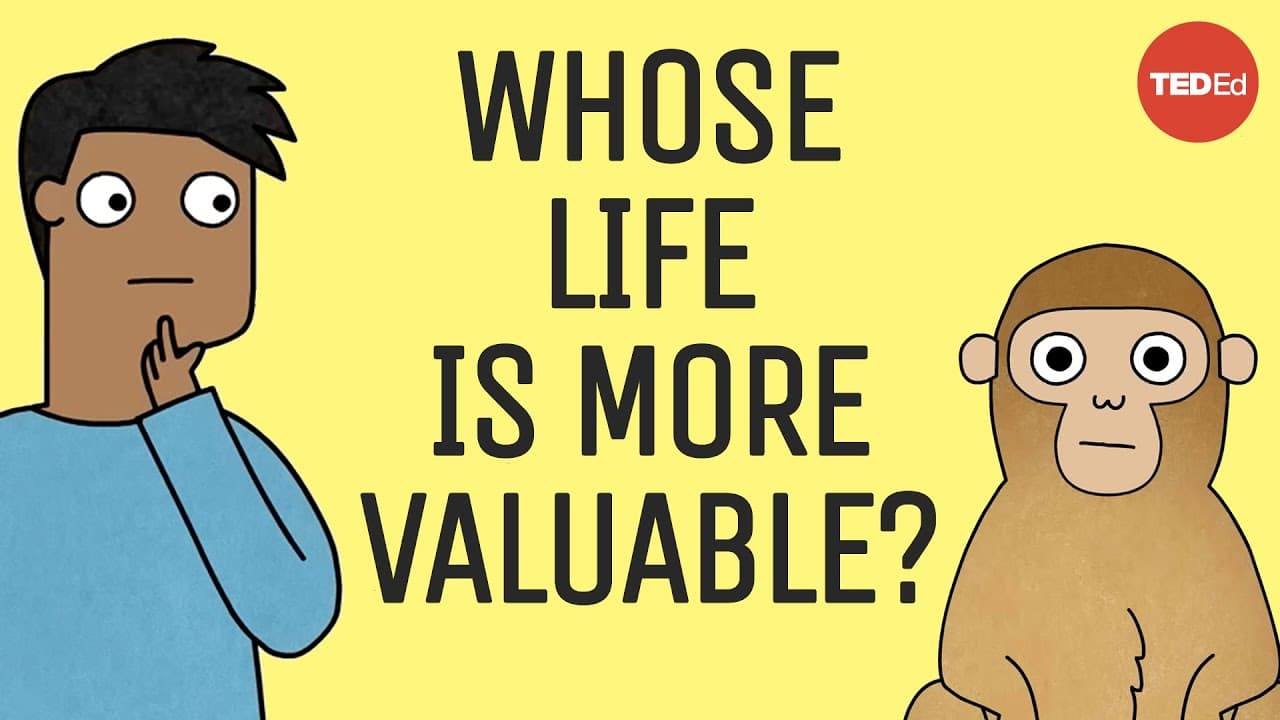
Research on smallpox raises serious ethical concerns about using animals in experiments aimed at protecting human health. The dilemma lies in weighing the potential benefits to humanity against the moral value of non-human lives. Philosophers suggest various criteria for moral status, complicating the decision on whether it is justifiable to harm animals for potential human benefit.
Transcript
Smallpox is one of the deadliest diseases in history, but fortunately, it’s been eradicated for over 40 years. However, samples of the virus that causes smallpox still exist, leading to concern that rogue actors might try to weaponize it. This is especially worrying because older smallpox vaccines can have serious side effects, and modern antivira... Read More
Key Insights
- 👏 Smallpox research raises ethical questions about the use of animals as research subjects and the value of different lives.
- 🙈 Moral status has traditionally been seen as binary, but some argue for a gradation of moral consideration.
- ❓ Different philosophers propose various criteria for moral status, such as rationality and the capacity for suffering.
- ✋ Monkeys, as our genetic relatives with high social and intellectual capacities, raise concerns about their moral status.
- 🛟 The belief that a human life is more valuable than an animal's conflicts with the ethical implications of sacrificing animals to save humans.
- 👨🔬 The uncertainty of research outcomes and the potential risks further complicate ethical decision-making.
- 🎮 Moral mathematics and calculations may not be the sole determinants of ethical choices.
Install to Summarize YouTube Videos and Get Transcripts
Explore YouTube Video Summarizer or Get YouTube Transcript Extractor
Questions & Answers
Q: Should animals be used as research subjects in smallpox experiments?
The decision to use animals in smallpox research is contentious. Some argue it is necessary to protect human lives and improve medical care, while others advocate for protecting the rights and well-being of animals.
Q: Is moral status binary or does it come in degrees?
Traditional views suggest moral status is binary, with humans having full moral status and other animals lacking it. However, contemporary philosophers propose that moral status can come in degrees, considering the capacities and interests of different beings.
Q: What justifies the belief that humans have higher moral status?
Different theories offer justifications for human moral status. Immanuel Kant argued that rationality and the ability to will actions grant moral status. Others, like Christine Korsgaard, advocate for including non-human animals in moral consideration based on how they value their own good.
Q: How does the capacity for suffering relate to moral status?
According to utilitarianism, entities that can suffer should be morally considered. Peter Singer, a utilitarian philosopher, argues that a capacity for suffering qualifies for moral consideration.
Summary & Key Takeaways
-
Smallpox, a deadly disease eradicated for over 40 years, still poses a potential threat due to existing virus samples.
-
The US government funds research to improve smallpox treatments and vaccines, requiring the use of animals as research subjects.
-
The ethical dilemma revolves around whether it is justified to harm animals to protect humanity and how to determine the value of a life.
Read in Other Languages (beta)
Share This Summary 📚
Summarize YouTube Videos and Get Video Transcripts with 1-Click
Try YouTube Summary with ChatGPT & Claude or YouTube Transcript Generator
Explore More Summaries from TED-Ed 📚
Summarize YouTube Videos and Get Video Transcripts with 1-Click
Try YouTube Summary with ChatGPT & Claude or YouTube Transcript Generator