How to Bring More Women Into Corporate Boards
TL;DR
Board membership should reflect a company’s customers and talent pool, which makes broader representation relevant to both leadership and recruiting. Didi Dayton’s operator experience also shows that investors can help startups assess market readiness, sales incentives, and customer fit, while buyers can evaluate security products through investor diligence, peer references, independent testing, and internal technical teams.
Transcript
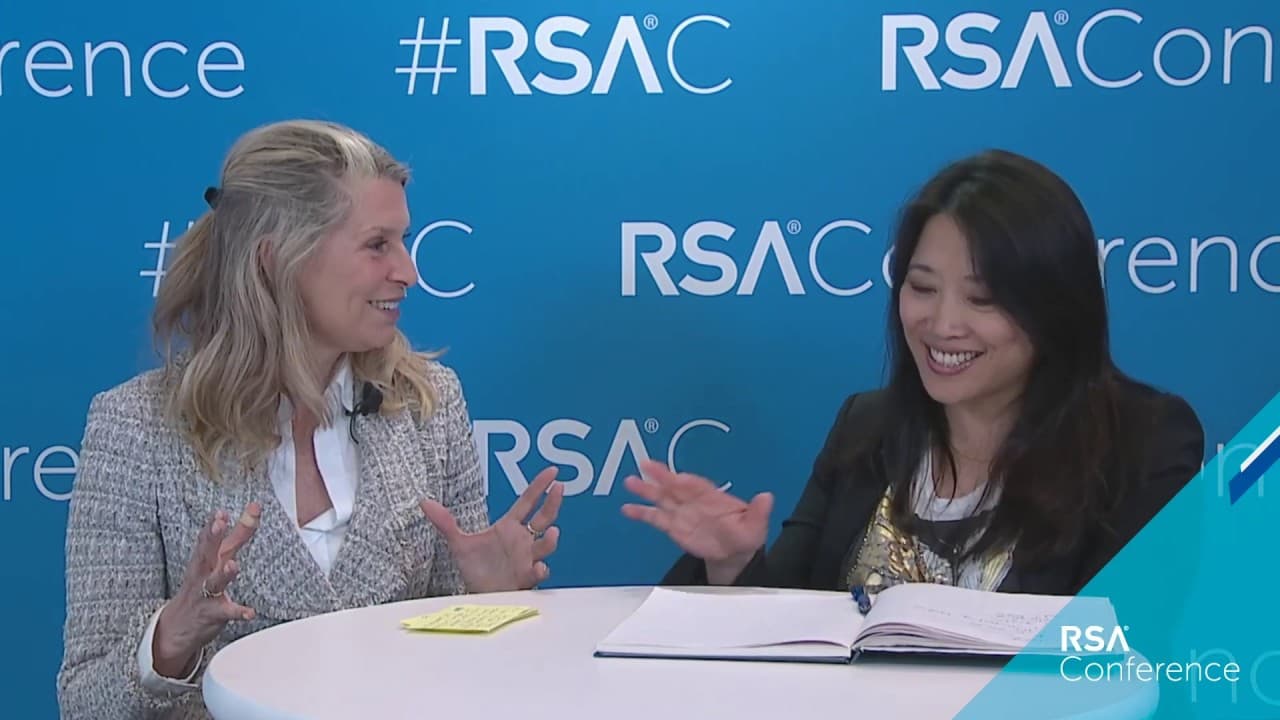
Well, good afternoon. We are at RSA 2020, and we are here doing Women in Cyber interviews. And joining me is Dee Dee Dayton from Wing Ventures. Yes. Um, and Dee Dee, you were at Cylance, right? I was at Cylance, yes, most recently. And now you are at a venture firm. Yes. And tell me how you made that switch. Uh, it was something I've always wanted ... Read More
Key Insights
- Didi Dayton’s transition into venture capital was supported by her customer network and experience conducting business-development diligence. Wing Ventures wanted someone who could communicate with customers while also supporting portfolio companies, making her cybersecurity operating background directly relevant to the investment role.
- Operating experience helps investors recognize whether a startup is ready to sell and take its product to market. Dayton says it also helps identify suitable markets, select routes into those markets, strengthen team capabilities, and redirect founders after spotting familiar operational problems.
- Sales compensation can create customer-facing conflict when direct and indirect sellers are rewarded differently. Dayton presents this as an example of an operational risk that may be difficult to anticipate without firsthand experience building sales organizations and working through competing channel incentives.
- Cybersecurity customers increasingly rent technology through subscriptions instead of purchasing long enterprise licenses. They can test a product in a virtual system, make a shorter-term usage decision, and later expand, replace, or discontinue it without treating the purchase as a fixed three-year commitment.
- Flexibility and integration are central customer requirements in modern security purchasing. Dayton identifies APIs as a standard capability and says vendors must discuss business outcomes, while faster evaluation and decision-making have also accelerated the pace at which technology companies can build revenue.
- Series A companies are expected to demonstrate substantially more customer traction than before. Dayton contrasts an earlier period when about 15% had customers with a current figure of 65%, while the interview suggests five to 10 customers, revenue traction, and a strong pipeline as useful funding evidence.
- Security environments have become more complex because users, employees, and data increasingly operate outside the traditional network sphere. That complexity has produced new organizational roles, more potential methods of attack, and a corresponding expansion in the available methods for prevention and protection.
- Board representation should reflect both a company’s customers and its talent pool. Dayton argues that a monochromatic board does not match a global enterprise, describes diversity as a potential selling point, and states that she set a 2020 mission to help 20 women join boards.
Install to Summarize YouTube Videos and Get Transcripts
Explore YouTube Video Summarizer or Get YouTube Transcript Extractor
Questions & Answers
Q: How did Didi Dayton move from cybersecurity into venture capital?
Didi Dayton entered venture capital after building a long operating career in cybersecurity and developing experience with customers, business development, and product diligence. She was initially interviewing with a board member about another company when an opening emerged at Wing Ventures. The firm needed someone who could communicate with customers and portfolio companies, and her large customer network made the transition easier.
Q: How does operating experience improve startup investment decisions?
Operating experience helps an investor determine whether a company is ready to sell its product and take it to market. It can also reveal which markets the company should target, which routes it should use to reach buyers, and where the founders or team need additional skills. Prior experience with operational failures allows the investor to identify risks early and steer the company back toward a workable path.
Q: Why can sales compensation models create channel conflict?
Sales compensation models can create friction when direct sellers and indirect sellers are paid in ways that encourage competing behavior. The conflict may become visible in front of the customer, damaging a coordinated sales effort. Dayton uses this issue to show why practical operating experience matters: someone who has already encountered the problem can recognize it and help a startup design incentives more carefully.
Q: How has the cybersecurity purchasing model changed?
Cybersecurity customers increasingly rent technology through subscriptions instead of buying long enterprise licenses. Previously, buyers could spend about six months testing a product before making a major commitment. They can now place technology in a virtual system, evaluate whether it works, use it for current needs, and expand later. This reduces the pressure associated with making a fixed three-year purchasing decision.
Q: Why are APIs and flexibility important to security buyers?
APIs and flexibility help customers avoid being locked into one vendor while keeping the option to change technologies after a year or two. Dayton describes integration as a key requirement and APIs as a standard out-of-the-box capability. Buyers also expect vendors to discuss business outcomes, not merely technical features, because the product must operate effectively within the customer’s existing environment and priorities.
Q: What customer traction do Series A cybersecurity startups need?
The interview indicates that customer traction has become much more important at Series A. Dayton says that perhaps 15% of Series A companies had customers in an earlier period, compared with 65% at the time of the discussion. The speakers suggest that five to 10 customers, good revenue traction, and a healthy pipeline may be needed, except when specialized technology or an unusually strong founding team changes the case.
Q: How should companies evaluate cybersecurity startups?
Companies should examine where investors are putting money because those investors conduct diligence, test products, and speak with customers. Buyers should then consult other customers through trusted peer networks, review testing performed by third-party vendors, and rely on their own internal teams to evaluate the technology. Marketing claims alone are insufficient because the product must be proven to work in the buyer’s particular environment.
Q: Why does Didi Dayton want more women in boardrooms?
Didi Dayton believes a company’s board should represent its customers and talent pool, especially when the company serves global enterprises. She argues that a monochromatic board does not reflect those groups and may make it harder for the talent pool to follow the organization’s leadership. Motivated by accomplished women she had worked with, she set a 2020 mission to help 20 women obtain board positions.
Summary & Key Takeaways
-
Didi Dayton moved from cybersecurity operations into venture capital after developing extensive experience with customers, business development, and product diligence. Her background helps her judge whether startups are prepared to sell, which markets they should pursue, and how founders can strengthen their teams and go-to-market plans.
-
Cybersecurity purchasing shifted from long enterprise license commitments toward subscription-based access. Customers can test products in virtual systems, decide faster, avoid lengthy vendor commitments, and expand usage when results justify it. APIs, integration, flexibility, and discussions focused on business outcomes consequently became important parts of technology adoption.
-
Dayton advocates placing more women on corporate boards because leadership should represent the customers and talent available to a global enterprise. She set a 2020 mission to help 20 women obtain board positions, drawing motivation from talented women she had worked with and her desire to advance careers.
Read in Other Languages (beta)
Share This Summary 📚
Summarize YouTube Videos and Get Video Transcripts with 1-Click
Try YouTube Summary with ChatGPT & Claude or YouTube Transcript Generator
Explore More Summaries from RSAC Cybersecurity 📚





Summarize YouTube Videos and Get Video Transcripts with 1-Click
Try YouTube Summary with ChatGPT & Claude or YouTube Transcript Generator