How Does the Pi KVM v4 Enhance Remote Access?
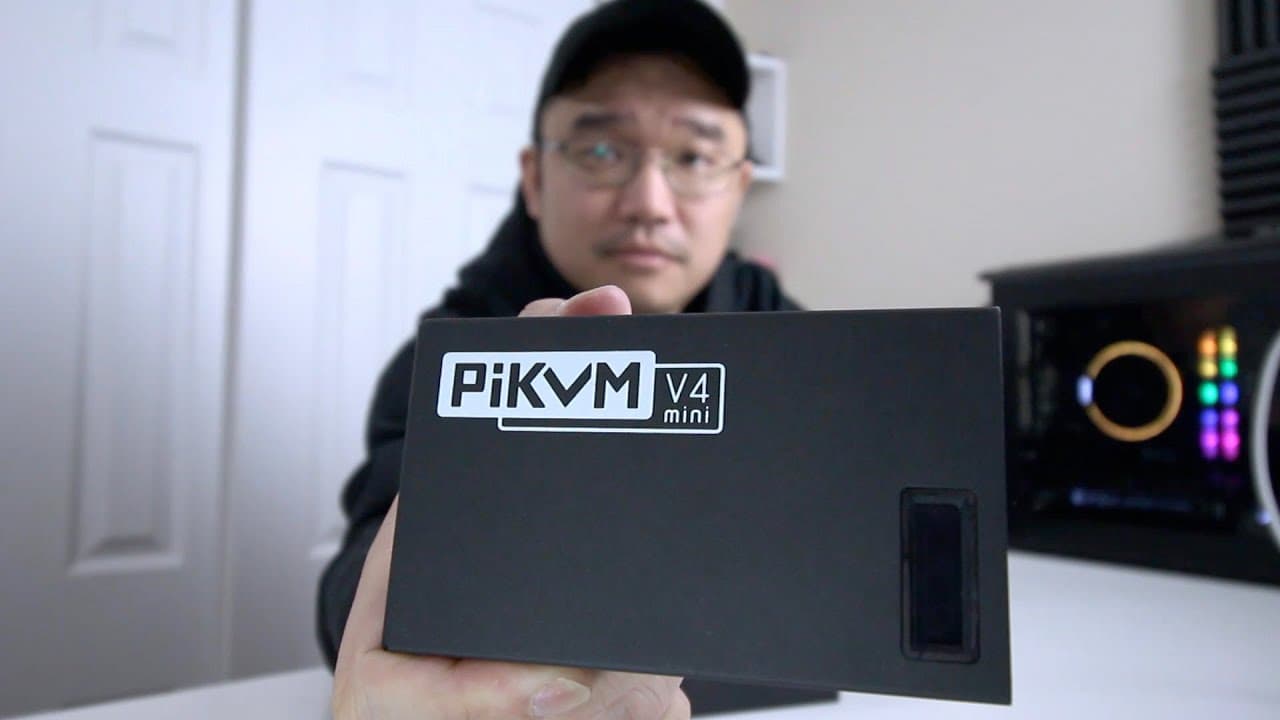
TL;DR
The Pi KVM v4 significantly enhances remote access by enabling users to connect to various devices and access BIOS settings that standard remote desktop applications can't. Key improvements include support for 60Hz refresh rates, built-in LTE connectivity for immediate internet access, and a 12V power supply that increases reliability.
Transcript
going on it's down here from Nova Spirit Tech and welcome back to the channel and today we're going to be checking out the pi KVM version 4. so let's get started I do want to thank for sending this over to me for review and everything we talk about will be linked down in the description below now they do have a Kickstarter going on right now so I'm... Read More
Key Insights
- 🎨 The Pi KVM version 4 is designed for versatile remote access, functioning effectively across various devices and operating systems.
- 😘 By enabling 60Hz support, the device addresses common limitations faced when working with BIOS and Android devices that restrict lower refresh rates.
- 🪡 LTE connectivity ensures reliable internet access immediately upon setup, eliminating the need for additional configuration steps in the client's location.
- 🥘 The switch to a 12V power supply improves performance reliability, allowing users to sidestep issues commonly associated with USB-C connections in previous models.
- 🦥 The mini PCIe slot for a modem adds flexibility, catering to diverse needs for connectivity in different deployment scenarios.
- 👤 The overall user experience is elevated through an intuitive web interface, making it accessible for both novice and advanced users.
- 😄 The design incorporates a robust aluminum casing, offering durability while maintaining a lightweight and portable structure for ease of transport.
Install to Summarize YouTube Videos and Get Transcripts
Explore YouTube Video Summarizer or Get YouTube Transcript Extractor
Questions & Answers
Q: What are the main features of the Pi KVM version 4?
The Pi KVM version 4 includes significant upgrades like the CM4 board which supports 60 Hz, LTE connectivity through a mini PCIe slot, and better power management with a 12V input. These enhancements improve remote access capabilities, allowing control over devices and BIOS settings that other remote desktop apps cannot offer.
Q: How does the Pi KVM version 4 differ from version 3?
The primary difference is the upgrade to hardware components, particularly the transition from Raspberry Pi 4 to the CM4 board, which allows for enhanced performance, 60Hz support, and LTE capabilities. Additionally, it has better power management and an improved design that makes it more portable and user-friendly.
Q: What makes the Pi KVM suitable for remote server management?
The Pi KVM allows complete remote control of a computer, including BIOS access, which is critical for server management. Unlike traditional remote desktop applications, it maintains connection stability even when reboots occur, making it vital for troubleshooting and configuration tasks from afar.
Q: How does the web interface function for the Pi KVM?
The web interface of the Pi KVM allows users to log in easily with a default username and password. It presents data like IP addresses and device uptime, and includes options for VNC access, audio streaming, and USB pass-through, enhancing overall user control and flexibility over connected devices.
Q: Can the Pi KVM handle audio signals?
Yes, the Pi KVM version 4 supports audio transmission, which is an improvement over previous versions. This feature is particularly beneficial for tasks that require both video and audio feedback, enhancing the overall remote user experience by enabling sound to be streamed alongside the video.
Q: Are there any future updates planned for the Pi KVM?
The developers have noted that future updates will include enhancements such as improved HDMI pass-through and Power over Ethernet (PoE) capabilities. These updates are aimed at enhancing device connectivity and overall functionality, making the Pi KVM an even more robust choice for remote management.
Summary & Key Takeaways
-
The Pi KVM version 4 enhances remote access capabilities, allowing users to connect to various devices and access BIOS settings, which isn't possible with standard remote desktop applications.
-
Key upgrades include switching from a Raspberry Pi 4 board to the CM4, enabling 60Hz support and the addition of LTE connectivity for immediate internet access upon setup.
-
The design features new hardware components such as a mini PCIe slot for LTE modems, power improvements with a 12V barrel connector, and enhanced usability through a web interface and improved audio support.
Read in Other Languages (beta)
Share This Summary 📚
Summarize YouTube Videos and Get Video Transcripts with 1-Click
Try YouTube Summary with ChatGPT & Claude or YouTube Transcript Generator
Explore More Summaries from Novaspirit Tech 📚


Summarize YouTube Videos and Get Video Transcripts with 1-Click
Try YouTube Summary with ChatGPT & Claude or YouTube Transcript Generator