What Are the Hydrologic and Carbon Cycles?
TL;DR
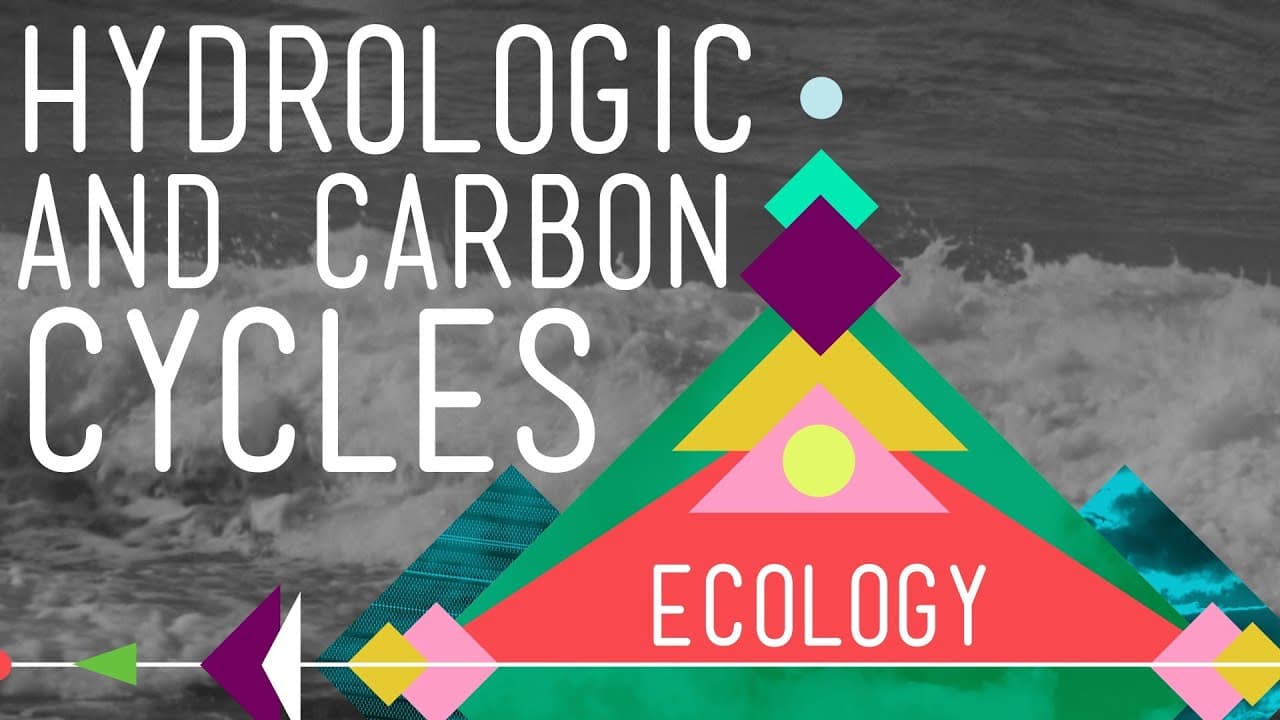
The hydrologic and carbon cycles are crucial biogeochemical processes that sustain life on Earth. The hydrologic cycle describes the movement of water through various reservoirs, driven by solar energy, while the carbon cycle involves the transfer of carbon among living organisms, geological formations, and the atmosphere, with human activities significantly increasing CO2 levels and impacting climate stability.
Transcript
Adorable story alert! So I was hanging out with my 2-year-old second cousin in the ocean in Florida and we're jumping up and down with the waves and it's fun but then the water got all calm and I said, "Oh, no more waves!," because, like, that's the top tier of communication I'm going for with a 2-year-old, but then he said "Don't worry, there'll b... Read More
Key Insights
- The Earth operates through various cycles, with the hydrologic and carbon cycles being essential for environmental balance and life sustainability.
- The hydrologic cycle involves water movement across different Earth compartments, driven by solar and wind energy, and includes processes like precipitation, evaporation, and runoff.
- Oceans play a crucial role in the hydrologic cycle as the primary reservoir for Earth's water, influencing weather patterns and supporting marine life.
- The carbon cycle is vital for life, involving the movement of carbon through living organisms, the atmosphere, and geological formations like rocks and fossil fuels.
- Plants are significant carbon reservoirs, absorbing CO2 for photosynthesis and releasing it during respiration, contributing to the carbon cycle.
- Human activities, particularly fossil fuel combustion, have increased atmospheric CO2 levels, leading to global warming and climate change.
- Permafrost melting releases trapped carbon, exacerbating the greenhouse effect and contributing to climate instability.
- Understanding these cycles is crucial for addressing ecological challenges and mitigating human impact on global climate systems.
Install to Summarize YouTube Videos and Get Transcripts
Explore YouTube Video Summarizer or Get YouTube Transcript Extractor
Questions & Answers
Q: What is the significance of the hydrologic cycle?
The hydrologic cycle is crucial for distributing water across the Earth's surface, atmosphere, and oceans. It supports weather patterns, facilitates plant growth through evapotranspiration, and maintains the balance of ecosystems. Driven by solar energy and wind, it involves processes like precipitation, evaporation, and runoff, ensuring water availability for life.
Q: How do oceans contribute to the hydrologic cycle?
Oceans are the primary reservoirs in the hydrologic cycle, storing vast amounts of Earth's water. They influence weather patterns and climate by regulating temperature and humidity. Water evaporates from the ocean's surface, forming clouds that move across the globe, distributing precipitation and supporting terrestrial ecosystems.
Q: What role do plants play in the carbon cycle?
Plants are vital in the carbon cycle, absorbing carbon dioxide from the atmosphere during photosynthesis to produce energy and grow. They release CO2 back into the atmosphere during respiration. This process not only contributes to the carbon cycle but also supports the food chain and ecosystem balance by providing oxygen and organic matter.
Q: How does human activity impact the carbon cycle?
Human activities, especially the burning of fossil fuels, have significantly altered the carbon cycle by increasing atmospheric CO2 levels. This leads to global warming and climate change, as CO2 traps heat in the atmosphere. Industrial processes and deforestation further exacerbate this issue, disrupting natural carbon reservoirs and feedback loops.
Q: What is the importance of studying biogeochemical cycles?
Studying biogeochemical cycles is essential for understanding Earth's complex systems and their interactions. It helps identify the impact of human activities on climate and ecosystems, guiding conservation efforts and policy-making. Knowledge of these cycles is crucial for developing sustainable practices to mitigate environmental challenges and promote ecological balance.
Q: What is the relationship between the hydrologic and carbon cycles?
The hydrologic and carbon cycles are interconnected, as water movement influences carbon distribution. For instance, water bodies like oceans absorb atmospheric CO2, supporting marine life and regulating climate. Evapotranspiration in plants, a part of the hydrologic cycle, also contributes to the carbon cycle by facilitating photosynthesis and carbon exchange.
Q: How does permafrost melting affect the carbon cycle?
Permafrost melting releases significant amounts of trapped carbon dioxide and methane, potent greenhouse gases, into the atmosphere. This accelerates global warming and climate change by enhancing the greenhouse effect. The release creates a positive feedback loop, where warming leads to more melting and further carbon emissions, destabilizing climate systems.
Q: What are the potential consequences of disrupting Earth's cycles?
Disrupting Earth's cycles, such as the hydrologic and carbon cycles, can lead to severe ecological and climate consequences. It can cause extreme weather events, loss of biodiversity, and altered ecosystems. Climate change, driven by increased greenhouse gases, results in rising temperatures, sea levels, and impacts on agriculture and human health, necessitating urgent action.
Summary & Key Takeaways
-
The video introduces the concept of biogeochemical cycles, focusing on the hydrologic and carbon cycles, highlighting their roles in Earth's environmental processes and ecological balance.
-
The hydrologic cycle describes water's movement across Earth's surface, atmosphere, and oceans, driven by solar energy and wind, involving processes like precipitation, evaporation, and runoff.
-
The carbon cycle involves carbon's movement through living organisms and geological formations, with human activities like fossil fuel burning contributing to increased atmospheric CO2 and climate change.
Read in Other Languages (beta)
Share This Summary 📚
Summarize YouTube Videos and Get Video Transcripts with 1-Click
Try YouTube Summary with ChatGPT & Claude or YouTube Transcript Generator
Explore More Summaries from CrashCourse 📚


Summarize YouTube Videos and Get Video Transcripts with 1-Click
Try YouTube Summary with ChatGPT & Claude or YouTube Transcript Generator