These Devices Let You Hear Through Your Skin
TL;DR
Innovative devices allow deaf individuals to perceive sound via skin vibrations.
Transcript
I was born deaf. My parents found out when I was five. I did go through speech therapy. I can speak some. Hi. Like that as an example. Around 5% of the world's population is affected by some form of hearing loss. While hearing aids are helpful for some they're ineffective or only partially effective for many deaf people. And cochlear implants are e... Read More
Key Insights
- Around 5% of the global population experiences some form of hearing loss, with traditional aids often being ineffective or costly.
- Innovators have developed devices that enable sound perception through skin vibrations, offering an alternative to cochlear implants.
- The brain's ability to interpret sensory input is adaptable, allowing for sensory substitution through devices like wristbands and vests.
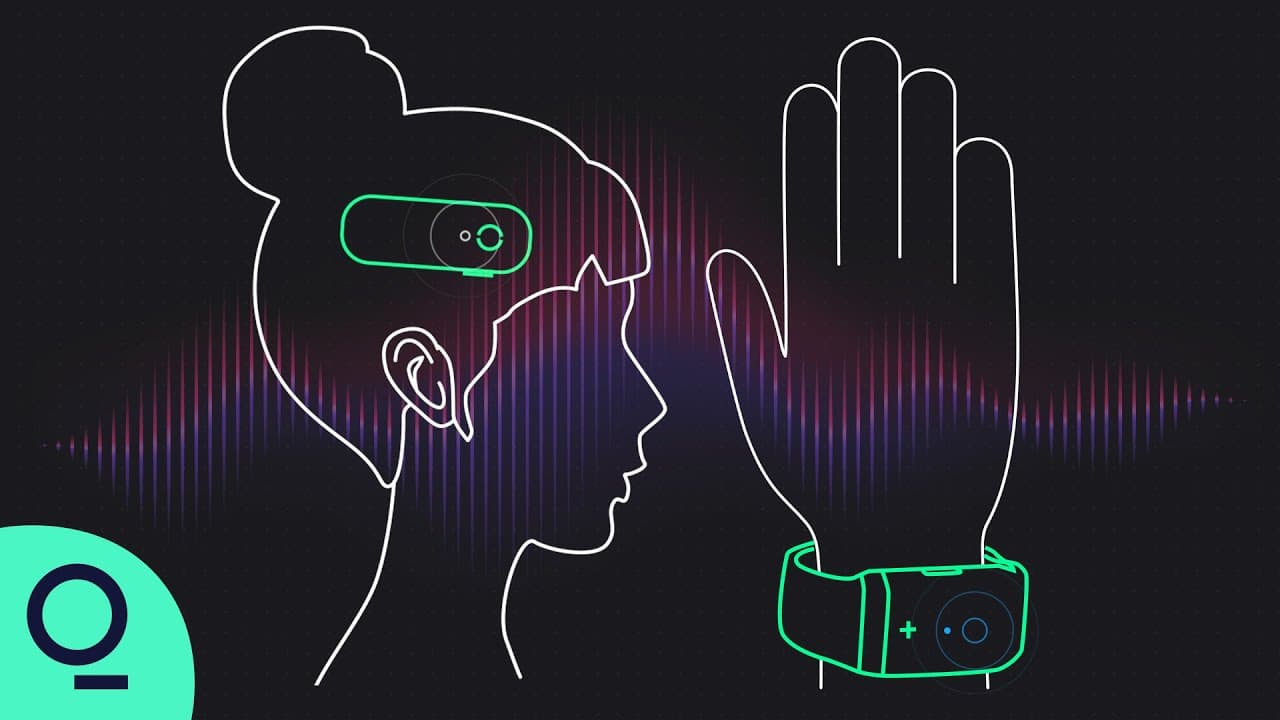
- A wristband device translates sound into vibrations on the skin, mimicking the inner ear's frequency processing.
- Participants using these devices reported enhanced connection and understanding of spoken words and emotions.
- The technology has been tested in real-world scenarios, proving effective in recognizing sounds like car engines and musical instruments.
- Beyond hearing substitution, research explores adding new senses, such as detecting infrared light or stock market movements.
- The brain's flexibility allows it to integrate new sensory inputs into our perception of reality, expanding our sensory repertoire.
Install to Summarize YouTube Videos and Get Transcripts
Explore YouTube Video Summarizer or Get YouTube Transcript Extractor
Questions & Answers
Q: What percentage of the world's population is affected by hearing loss?
Approximately 5% of the world's population is affected by some form of hearing loss. This statistic highlights the significant number of individuals who may benefit from innovative solutions like the skin vibration devices discussed in the content, as traditional hearing aids and cochlear implants may not be effective or accessible for everyone.
Q: How do the new devices help deaf individuals perceive sound?
The new devices help deaf individuals perceive sound by translating auditory information into vibrations felt on the skin. This process, known as sensory substitution, allows the brain to interpret these vibrations as sound. Devices like wristbands and vests equipped with vibratory motors enable users to 'hear' through their skin, offering a novel approach to sound perception.
Q: What is sensory substitution, and how does it work?
Sensory substitution is the process of using one sensory modality to supply information typically provided by another, allowing the brain to adapt and interpret the new input. In the context of the devices discussed, sound is converted into skin vibrations, which the brain learns to interpret as auditory information, effectively substituting the hearing sense with tactile input.
Q: What was the emotional impact of the device on early participants?
Early participants, like Phillip, experienced a profound emotional impact from using the device. They reported feeling more connected with their surroundings and loved ones, as the device enabled them to understand spoken words and emotions in voices. The ability to perceive sounds and connect with others brought significant emotional relief and joy.
Q: How does the wristband device mimic the function of the inner ear?
The wristband device mimics the function of the inner ear by capturing sounds and converting them into a spectrum of vibrations on the skin, arranged from low to high frequencies. This process parallels how the inner ear processes sound frequencies and sends them to the brain, allowing users to feel and interpret sound through skin vibrations.
Q: What are some potential new senses being explored through this technology?
Researchers are exploring the addition of new senses using this technology, such as detecting infrared light, electrical fields, or monitoring stock market movements. By feeding these new types of sensory information to the brain through devices, individuals could potentially expand their sensory experiences and gain new insights into their environment.
Q: Can the brain adapt to new sensory inputs effectively?
Yes, the brain is highly adaptable and can effectively integrate new sensory inputs into its perception of reality. When provided with relevant information through unconventional means, such as skin vibrations, the brain learns to interpret these inputs and incorporate them into the user's sensory experience, demonstrating its remarkable flexibility.
Q: What is the potential impact of this technology on our understanding of reality?
This technology has the potential to significantly alter our understanding of reality by expanding the range of sensory inputs available to individuals. By integrating new senses through devices, users may perceive aspects of the world previously inaccessible, broadening their sensory repertoire and potentially reshaping their perception of the environment around them.
Summary & Key Takeaways
-
Innovative devices have been developed to help deaf individuals experience sound through skin vibrations, offering a non-invasive alternative to traditional hearing aids and implants. These devices translate sound into patterns of vibration, which the brain learns to interpret as auditory information.
-
The adaptability of the human brain allows it to process sensory inputs received through unconventional means, such as skin vibrations. This sensory substitution technology has shown promising results in enhancing the lives of deaf individuals by enabling them to perceive sounds and emotions.
-
Research is ongoing to expand the application of sensory substitution beyond hearing, exploring the addition of new senses like infrared detection or interpreting stock market data. The brain's capability to integrate new sensory inputs suggests a potential for redefining human sensory perception.
Read in Other Languages (beta)
Share This Summary 📚
Summarize YouTube Videos and Get Video Transcripts with 1-Click
Try YouTube Summary with ChatGPT & Claude or YouTube Transcript Generator
Explore More Summaries from Bloomberg Originals 📚





Summarize YouTube Videos and Get Video Transcripts with 1-Click
Try YouTube Summary with ChatGPT & Claude or YouTube Transcript Generator