What Are the Dangers of India's Fertility Industry?
TL;DR
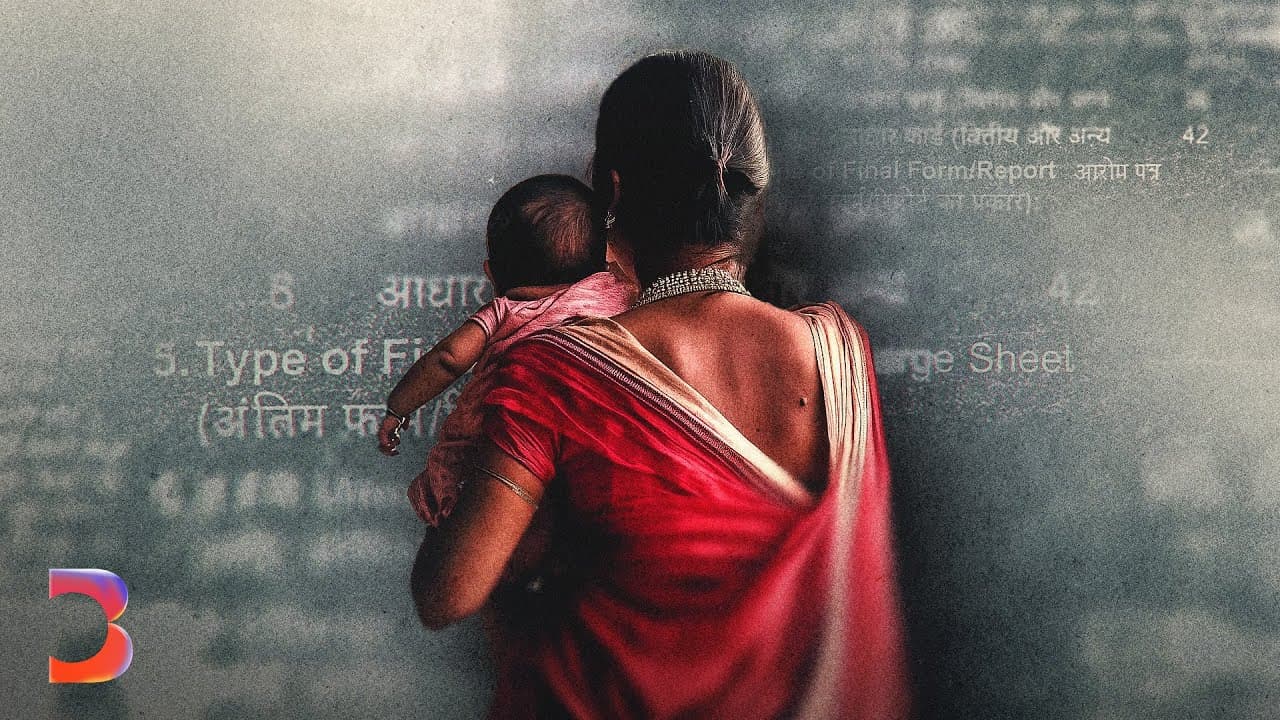
India's fertility industry poses serious dangers, including the illegal retrieval of eggs from minors, often using fake IDs and forged documents. A high-profile case from Varanasi underscores systemic exploitation, with regulatory enforcement failing to protect vulnerable populations. The rapid growth of the IVF market has led to ethical concerns around accountability, particularly involving major IVF chains.
Transcript
As more women in workforce delay having children until later in life, they are increasingly turning to the fertility industry. The market for IVF is growing across the world almost everywhere. The consequences of that, the egg donation market is growing really quickly too. Our investigation found that in India, some of the worst cases of harm were ... Read More
Key Insights
- The fertility industry in India is expanding rapidly, driven by increased demand from women delaying childbirth, leading to a booming market for IVF and egg donation.
- A significant issue in India's fertility market involves the illegal and dangerous practice of retrieving eggs from minors, which is not only unethical but also life-threatening.
- The investigation highlights a case in Varanasi where a minor was coerced into egg donation, revealing systemic issues within the fertility industry, including the use of fake IDs and forged documents.
- Despite legal frameworks, the enforcement of regulations in India's fertility industry remains weak, leading to exploitation of vulnerable populations, particularly poor women and minors.
- The involvement of large IVF chains, such as Nova IVF, in unethical practices raises questions about the accountability of industry players and the role of investors pushing for rapid growth.
- The psychological and physical trauma faced by victims and their families is significant, with many being too intimidated or traumatized to seek justice or speak out against the perpetrators.
- Efforts to bring justice are hindered by powerful networks within the fertility industry, including middlemen and agents who facilitate illegal activities and protect larger institutions from scrutiny.
- The broader implications of the fertility underworld extend beyond India, as the global demand for human eggs continues to rise, necessitating stricter international regulations and ethical considerations.
Install to Summarize YouTube Videos and Get Transcripts
Explore YouTube Video Summarizer or Get YouTube Transcript Extractor
Questions & Answers
Q: What drives the growth of the fertility industry in India?
The growth of India's fertility industry is primarily driven by the increasing number of women delaying childbirth due to career commitments, leading to a higher demand for IVF treatments. This demand has also fueled the expansion of the egg donation market, as more women seek alternative solutions to fertility challenges.
Q: What are the ethical concerns associated with egg donation in India?
Ethical concerns in India's egg donation market include the illegal retrieval of eggs from minors, exploitation of poor women, and the use of fake IDs and forged documents. These practices not only endanger the health of donors but also highlight systemic issues of coercion and lack of informed consent in the industry.
Q: How does the case in Varanasi illustrate the problems in India's fertility industry?
The Varanasi case illustrates the problems in India's fertility industry by exposing how minors are coerced into egg donation using fake IDs and documents. The case reveals the involvement of middlemen and agents who facilitate these illegal activities, highlighting the lack of regulation and enforcement in the industry.
Q: What role do large IVF chains play in the fertility industry's unethical practices?
Large IVF chains, like Nova IVF, play a significant role in the fertility industry's unethical practices by prioritizing rapid growth over ethical standards. The pressure from investors to expand quickly often leads to compromised standards and involvement in illegal activities, such as using eggs sourced from minors.
Q: What challenges do victims of the fertility industry face in seeking justice?
Victims of the fertility industry face numerous challenges in seeking justice, including intimidation, trauma, and lack of support. The powerful networks within the industry, including middlemen and agents, often protect larger institutions, making it difficult for victims to hold perpetrators accountable or receive adequate support.
Q: How does the global demand for human eggs impact ethical considerations?
The global demand for human eggs raises significant ethical considerations, as it creates a supply chain that often exploits vulnerable populations. The lack of international regulations and oversight allows unethical practices to flourish, highlighting the need for stricter guidelines and ethical standards in the fertility industry worldwide.
Q: What are the broader implications of the fertility underworld beyond India?
The broader implications of the fertility underworld extend beyond India, as the demand for human eggs is a global issue. Without stricter international regulations, unethical practices can spread, affecting vulnerable populations worldwide and raising serious ethical and legal concerns about the fertility industry's practices.
Q: What measures are necessary to reform the fertility industry in India?
To reform the fertility industry in India, stricter regulations and enforcement are necessary to prevent the exploitation of minors and vulnerable populations. This includes holding industry players accountable, improving oversight, and ensuring informed consent. Additionally, public awareness and support for victims are crucial in driving meaningful change.
Summary & Key Takeaways
-
The fertility industry in India is experiencing rapid growth, driven by increasing demand for IVF and egg donation. However, this expansion has led to unethical practices, including the exploitation of minors for egg retrieval, raising serious ethical and legal concerns.
-
A case in Varanasi highlights the systemic issues within India's fertility market, where minors are coerced into donating eggs using fake IDs and forged documents. Despite existing regulations, enforcement remains weak, allowing such practices to continue unchecked.
-
The involvement of large IVF chains in unethical practices and the lack of accountability for industry players point to a need for stricter regulations and enforcement. The psychological and physical trauma faced by victims underscores the urgency for reform in the fertility industry.
Read in Other Languages (beta)
Share This Summary 📚
Summarize YouTube Videos and Get Video Transcripts with 1-Click
Try YouTube Summary with ChatGPT & Claude or YouTube Transcript Generator
Explore More Summaries from Bloomberg Originals 📚





Summarize YouTube Videos and Get Video Transcripts with 1-Click
Try YouTube Summary with ChatGPT & Claude or YouTube Transcript Generator