How Does Digital Empathy Improve Cybersecurity?

TL;DR
Digital empathy improves cybersecurity by making protection inclusive, forgiving of mistakes, and compatible with how people actually work. Combined with zero trust, multi-factor authentication, diverse threat data, cloud protection, and cyber resilience, it can protect remote workers while reducing productivity barriers and supporting business continuity during disruption.
Transcript
You know, if you look at, at RSA Conference 2020, we've really tried to focus it around this idea of the human element. And you've seen it everywhere. You've seen the posters. You've seen it as a theme in a lot of the talks. With the human element- The human element- Investing in the human element- The human element. And it's one of the greatest un... Read More
Key Insights
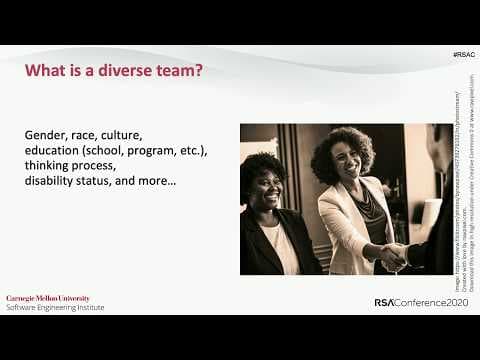
- Digital empathy is a cybersecurity approach that considers each user's situation and creates security tools that are inclusive, forgiving of mistakes, and less disruptive to productivity. It empowers people to work in the locations, circumstances, applications, and devices that best support their needs.
- Human error is an initiating event rather than the complete cause of security loss. Users may begin a chain of events by making a mistake, but organizations create the underlying risk when their systems allow a single user action to initiate damaging consequences.
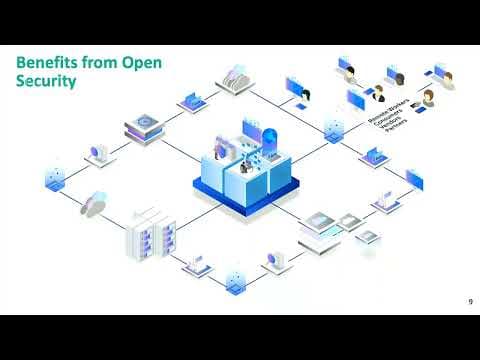
- Zero trust is an assumed-breach security posture that treats every network step and resource-access request as a unique risk. Each request must be evaluated, with both the user and the requested resource verified, rather than automatically trusting activity based on its location.
- Multi-factor authentication is a central part of becoming a zero trust organization. The keynote states that it prevents ninety-nine percent of credential theft and enables intelligent authentication methods that can make application access both easier and more secure than traditional password-based access.
- Diversity of data is essential for identifying threats at cloud scale. Microsoft defenders tracked more than eight trillion daily signals from products, services, and feeds worldwide, then combined automated tools with human insight to identify and block new pandemic-themed threats before they reached customers.
- COVID-19-themed attacks primarily reused familiar phishing and malware methods rather than introducing entirely new threats. Microsoft identified roughly sixty thousand malicious messages each day containing pandemic-related attachments or URLs among the millions of targeted messages its systems detected.
- Cyber resilience is fundamental to business continuity because organizations must prepare for disruption across security and operations. A comprehensive strategy combines cloud technology, human effort, products, services, regular risk-threshold reviews, and an honest assessment of whether established processes can be executed operationally.
- Security technology cannot solve every problem without skilled people. Scanners and firewalls require manual tuning for a specific environment, regular monitoring, and human judgment to separate meaningful signals from noise, while effective security also requires collaboration among security, business, risk, IT, and users.
Install to Summarize YouTube Videos and Get Transcripts
Explore YouTube Video Summarizer or Get YouTube Transcript Extractor
Questions & Answers
Q: What is digital empathy in cybersecurity?
Digital empathy in cybersecurity means putting security designers and teams in the user's position. It calls for tools that recognize a person's circumstances, accommodate diverse ways of working, and forgive mistakes without creating unnecessary exposure. The goal is to protect people while removing productivity blockers, allowing them to work when, where, and how they need with appropriate devices and applications.
Q: How does digital empathy improve employee productivity?
Digital empathy improves productivity by designing security around real working conditions instead of forcing every user into a rigid experience. Employees can use the devices, applications, locations, and working methods they need while remaining protected. Microsoft reported a productivity increase after adopting this approach because workers could access the necessary tools at the time, place, and manner required for their work.
Q: Why should cybersecurity teams stop blaming users for mistakes?
Cybersecurity teams should distinguish between initiating an incident and causing the resulting loss. A user may click, share, or approve something by mistake, but the larger problem is a system that lets one action trigger a damaging chain of events. Security should therefore be forgiving, limit the consequences of mistakes, and address system design instead of treating the user as the entire problem.
Q: What is zero trust security and how does it work?
Zero trust is an assumed-breach posture that evaluates every network step and every request to access a resource as a separate risk. It requires verification of both the user and the resource rather than granting broad trust based on a traditional network boundary. This model supports remote work because access decisions can respond dynamically to users, resources, and changing conditions.
Q: Why did zero trust become important during the pandemic?
Zero trust became important because organizations suddenly had to support a massive remote workforce, while traditional network protections were less suited to changing access patterns. The keynote says zero trust shifted from a business option to a business imperative during the first ten days of the pandemic. Organizations relying on legacy firewalls were less able to meet remote-work demands dynamically and were more susceptible to pandemic-themed threats.
Q: How does multi-factor authentication support zero trust?
Multi-factor authentication supports zero trust by requiring stronger verification before granting access, rather than depending only on a password. The keynote states that pervasive multi-factor authentication prevents ninety-nine percent of credential theft. It also enables other intelligent authentication methods that can make access to applications easier and more secure, aligning user convenience with the verification requirements of a zero trust organization.
Q: How did cloud data help identify COVID-19 cyber threats?
Cloud scale gave defenders access to a broad and diverse view of global activity. Microsoft tracked more than eight trillion daily signals from products, services, and feeds, combining automation with human insight to detect threats rapidly. That analysis showed attackers were generally reusing familiar phishing and malware techniques with pandemic-themed lures, allowing malicious messages, attachments, and URLs to be identified and blocked quickly.
Q: What is cyber resilience and why does it matter?
Cyber resilience is an organization's ability to maintain business continuity while preparing for and responding to security and operational disruption. It requires a comprehensive strategy that joins cloud technology with human effort, products, services, and executable processes. Organizations should regularly review their risk threshold and test whether they can carry out those processes, making resilience a core part of broader operational planning.
Summary & Key Takeaways
-
Digital empathy applies the human ability to understand another person's situation to cybersecurity. Security tools should accommodate diverse users, forgive mistakes, and remove unnecessary productivity barriers. This approach lets people work when, where, and how they need while using suitable devices and applications, without treating human error as the sole cause of loss.
-
The rapid creation of a global remote workforce exposed weaknesses in organizations that depended on traditional security approaches. Zero trust became a business imperative because it evaluates each access request as a distinct risk, verifies users and resources, assumes breaches are possible, and supports multi-factor authentication and other intelligent authentication methods instead of relying only on passwords.
-
Cloud scale and diverse data helped defenders analyze more than eight trillion daily signals and identify pandemic-themed attacks rapidly. Microsoft found that adversaries largely reused familiar phishing and malware techniques with new lures. These experiences also reinforced cyber resilience as a core business capability supported by technology, human effort, risk evaluation, and operational planning.
Read in Other Languages (beta)
Share This Summary 📚
Summarize YouTube Videos and Get Video Transcripts with 1-Click
Try YouTube Summary with ChatGPT & Claude or YouTube Transcript Generator
Explore More Summaries from RSAC Cybersecurity 📚



Summarize YouTube Videos and Get Video Transcripts with 1-Click
Try YouTube Summary with ChatGPT & Claude or YouTube Transcript Generator