Why Did LinkedIn's Co-Founder Sell to Microsoft?
TL;DR
LinkedIn's co-founder sold the company to Microsoft to enhance its mission of improving user connectivity and productivity through integration with Microsoft's technology. The merger allows LinkedIn to operate as a subsidiary while leveraging Microsoft's resources, ultimately focusing on fulfilling its mission rather than personal attachment to the company.
Transcript
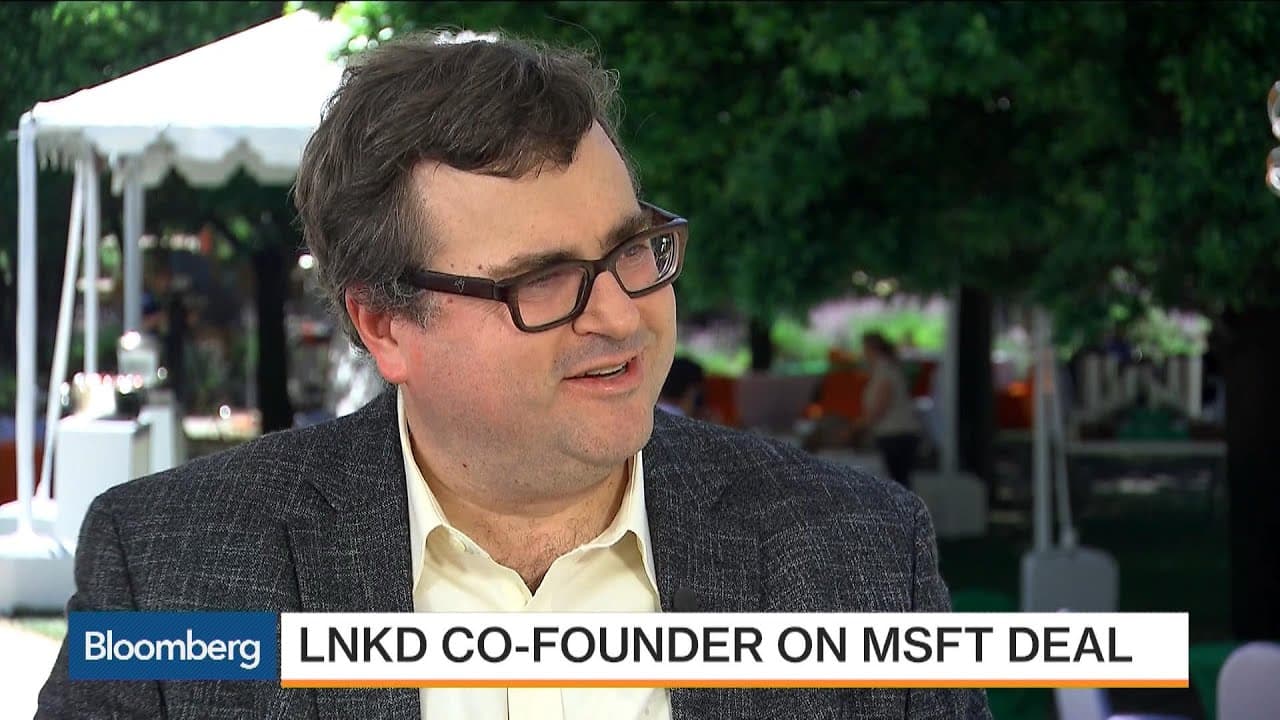
the company that you spent more than a decade building LinkedIn selling to Microsoft for 26 billion dollar this surprised almost everybody in Silicon Valley which is Quite a feat in an industry where everybody talks so curious from your side how did this play out how did this happen so um it's always been uh in the in the first month after we launc... Read More
Key Insights
- LinkedIn's integration with Microsoft was a long-standing vision, aiming to embed LinkedIn into daily work practices through platforms like Outlook.
- The acquisition by Microsoft was driven by LinkedIn's mission to enhance connectivity and productivity, aligning with Microsoft's technological capabilities.
- Emotional detachment was necessary for LinkedIn's co-founder, focusing on the mission rather than personal attachment to the company.
- Despite being the second-largest tech deal, the acquisition price was slightly above LinkedIn's trading value, reflecting strategic vulnerability management.
- LinkedIn will continue to operate as a subsidiary, pursuing its plans and enhancing its impact on users' professional lives.
- The deal signifies a strategic alignment of missions, suggesting potential for similar mergers and acquisitions in the tech industry.
- Mission-driven companies prioritize strategic partnerships over IPOs, focusing on amplifying their mission through synergies.
- The Microsoft-LinkedIn deal exemplifies how tech companies can leverage complementary assets to achieve greater mission fulfillment.
Install to Summarize YouTube Videos and Get Transcripts
Explore YouTube Video Summarizer or Get YouTube Transcript Extractor
Questions & Answers
Q: What motivated LinkedIn's decision to sell to Microsoft?
LinkedIn's decision to sell to Microsoft was motivated by the desire to integrate LinkedIn into daily work practices and enhance user productivity. The merger allows LinkedIn to leverage Microsoft's technological capabilities, such as artificial intelligence, to further its mission of connecting individuals and making them more successful and productive.
Q: How did LinkedIn's co-founder emotionally handle the decision to sell?
LinkedIn's co-founder approached the decision to sell by focusing on the company's mission rather than personal attachment. He viewed the merger as a necessary step to fulfill LinkedIn's goals, likening the experience to a significant life change, such as a child going off to college, but ultimately prioritizing the mission over personal emotions.
Q: What was the significance of the acquisition price for LinkedIn?
The acquisition price, though the second-largest tech deal in history, was slightly above LinkedIn's trading value, reflecting strategic vulnerability management. The decision was based on potential growth and impact rather than immediate financial gain, highlighting the importance of aligning with Microsoft's resources to achieve LinkedIn's long-term mission.
Q: How will LinkedIn operate post-acquisition by Microsoft?
Post-acquisition, LinkedIn will continue to operate as a subsidiary, pursuing its existing plans to enhance its impact on users' professional lives. The merger allows LinkedIn to maintain its strategic direction while leveraging Microsoft's technological resources to further its mission of connectivity and productivity.
Q: What does the Microsoft-LinkedIn deal signify for the tech industry?
The Microsoft-LinkedIn deal signifies a trend towards strategic alignment of missions in the tech industry, suggesting potential for more mergers and acquisitions. Companies are prioritizing mission-driven partnerships over traditional IPOs, focusing on amplifying their missions through complementary business models and technological assets.
Q: Why is mission alignment important for tech companies?
Mission alignment is crucial for tech companies as it allows them to strategically partner with organizations that complement their goals, enhancing their ability to fulfill their mission. By aligning with companies like Microsoft, LinkedIn can leverage additional resources and technologies to expand its impact and achieve its mission more effectively.
Q: How does the deal reflect LinkedIn's strategic vulnerability management?
The deal reflects LinkedIn's strategic vulnerability management by ensuring the company aligns with a partner like Microsoft that can provide the necessary resources to mitigate potential downsides. The acquisition price, slightly above LinkedIn's trading value, indicates a focus on long-term growth and mission fulfillment rather than immediate financial concerns.
Q: What potential benefits does Microsoft bring to LinkedIn post-acquisition?
Post-acquisition, Microsoft brings several potential benefits to LinkedIn, including advanced technological capabilities like artificial intelligence, which can enhance LinkedIn's services. Microsoft's deep tech stack and productivity tools align with LinkedIn's mission to connect individuals and improve their professional success, providing a robust platform for future growth and innovation.
Summary & Key Takeaways
-
LinkedIn's acquisition by Microsoft was motivated by a shared vision to integrate LinkedIn into daily work practices, enhancing user connectivity and productivity. The merger allows LinkedIn to leverage Microsoft's technological capabilities to further its mission, while continuing to operate as a subsidiary with its existing plans.
-
For LinkedIn's co-founder, the decision to sell was driven by a focus on the company's mission rather than personal attachment. Despite the emotional challenge, the merger was seen as the best way to accomplish LinkedIn's goals, aligning with Microsoft's resources and strategic direction.
-
The acquisition reflects a broader trend in the tech industry, where companies prioritize mission alignment and strategic partnerships over traditional IPOs. The deal suggests an increase in mergers and acquisitions as companies seek to amplify their missions through complementary business models and assets.
Read in Other Languages (beta)
Share This Summary 📚
Summarize YouTube Videos and Get Video Transcripts with 1-Click
Try YouTube Summary with ChatGPT & Claude or YouTube Transcript Generator
Explore More Summaries from Bloomberg Originals 📚






Summarize YouTube Videos and Get Video Transcripts with 1-Click
Try YouTube Summary with ChatGPT & Claude or YouTube Transcript Generator