Why Are People Leaving Social Media Platforms?
TL;DR
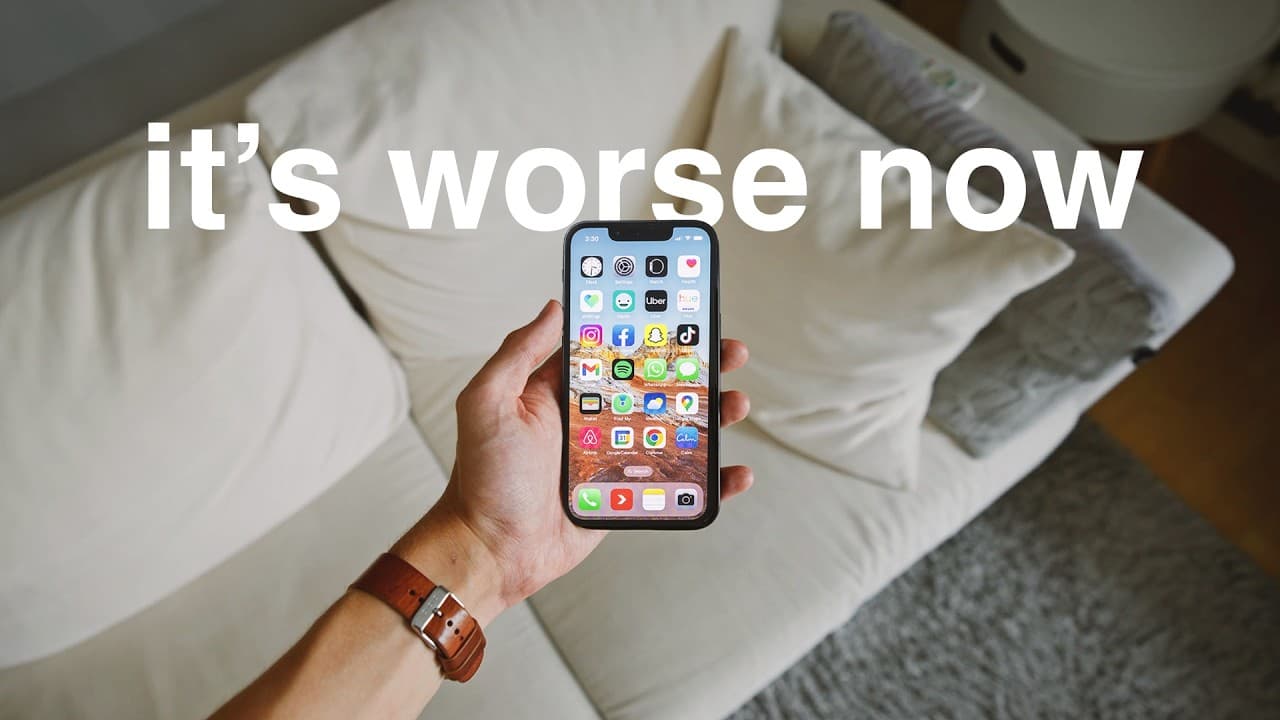
People are leaving social media because platforms that once emphasized connection and user-chosen feeds now compete to capture attention, collect data, and sell more ads. Over the past 5 years, features such as infinite scroll and viral-content feeds have widened the gap between what users want and what platforms deliver while contributing to anxiety and dissatisfaction. Read on to understand how this business model reshaped Instagram, Facebook, TikTok, and the wider internet.
Transcript
Over the past 5 years, social media has gone through one of the most dramatic transformations since it began. The platforms that once promised connection, community, and a voice for everyone have devolved into something much more harmful. Viral stunts, immature pranks, choreographed dances. Also, heightened levels of anxiety, depression, and the di... Read More
Key Insights
- Social media platforms have shifted from connection-focused to profit-driven models.
- The introduction of ads changed the dynamics, prioritizing user attention for revenue.
- Features like infinite scroll exploit human attention, prolonging user engagement.
- TikTok's algorithmic feed reshaped user experience, focusing on content virality over personal connections.
- Negative and outrageous content tends to retain user attention longer than positive content.
- Public sentiment is turning against platforms like TikTok and Instagram due to their impact on mental health.
- Digital detoxes and minimalist phone trends indicate a growing desire to disconnect.
- Social media's focus on viral content over personal connections is leading to user dissatisfaction.
Install to Summarize YouTube Videos and Get Transcripts
Explore YouTube Video Summarizer or Get YouTube Transcript Extractor
Questions & Answers
Q: Why are people leaving social media platforms?
People are pulling away because social platforms increasingly prioritize attention, advertising, and viral content over genuine connections and user choice. The transcript describes a quiet but growing rebellion driven by dissatisfaction with manipulative features and heightened anxiety and depression.
Q: How has social media changed over the past 5 years?
Social media has shifted from platforms promising connection, community, and a voice for everyone toward content machines filled with viral stunts, pranks, and choreographed dances. According to the transcript, this transformation has also been accompanied by heightened anxiety, depression, and disruption to society.
Q: What happened to Instagram’s original purpose?
Instagram still promotes itself as a place to see photos and videos from friends, but the transcript argues that this no longer reflects the actual experience. Its personalized, connection-focused model evolved into a content machine shaped by attention and advertising incentives.
Q: How did the follow feature originally give users control?
The follow feature let users decide which creators and people would appear in their feeds. This made social media feel like a personalized corner of the internet built around real connections and genuine interests.
Q: Why did social media platforms become focused on advertising?
Once platforms went public, they faced pressure to turn connection into profit. They began running ads, then pursued more users, longer attention, and more customer data so they could show more valuable ads.
Q: How does Facebook convert attention into revenue?
The transcript describes advertisers, rather than users, as Facebook’s customers. Facebook captures consumer attention, gathers information for ad targeting, and converts that attention into revenue while its financial system demands continued revenue growth.
Q: How does infinite scroll keep people online longer?
Infinite scroll removes the natural stopping points that existed when websites were divided into pages. The never-ending stream makes it harder to choose when to stop and, according to the transcript, can quietly take hundreds of hours from a person each year.
Q: Who created infinite scroll, and why did he regret it?
Interface designer Asa Rascin came up with infinite scroll in 2006 to replace page breaks with a never-ending feed. He later said he had been blind to how the feature would be adopted globally and used against people rather than for them.
Summary & Key Takeaways
-
Social media's evolution from community-driven platforms to profit-centric models has led to widespread user dissatisfaction. Features designed to maximize engagement, such as infinite scroll and algorithmic feeds, prioritize content virality over personal connections. As a result, users experience increased anxiety and are seeking balance by disconnecting from these platforms.
-
Platforms like TikTok and Instagram have shifted focus from genuine connections to maximizing user attention for ad revenue. This model exploits human vulnerabilities, leading to negative mental health impacts. Consequently, many users are opting for digital detoxes and minimalist phones, seeking more meaningful offline interactions.
-
The current social media landscape prioritizes profit over user well-being, with features designed to capture and retain attention. This shift has resulted in heightened anxiety and dissatisfaction, prompting users to disconnect and seek balance. The trend towards digital detoxes and minimalist lifestyles reflects a growing rebellion against these platforms.
Read in Other Languages (beta)
Share This Summary 📚
Summarize YouTube Videos and Get Video Transcripts with 1-Click
Try YouTube Summary with ChatGPT & Claude or YouTube Transcript Generator
Explore More Summaries from Matt D'Avella 📚


Summarize YouTube Videos and Get Video Transcripts with 1-Click
Try YouTube Summary with ChatGPT & Claude or YouTube Transcript Generator