How to build a creator business instead of YouTube automation
TL;DR
Lean toward becoming a creator entrepreneur by solving high value problems, starting with a minimal setup, and diversifying beyond AdSense. Avoid commodity niches and rented land, then scale with a lean team or solo effort while focusing on delivering real value and building an independent business.
Transcript
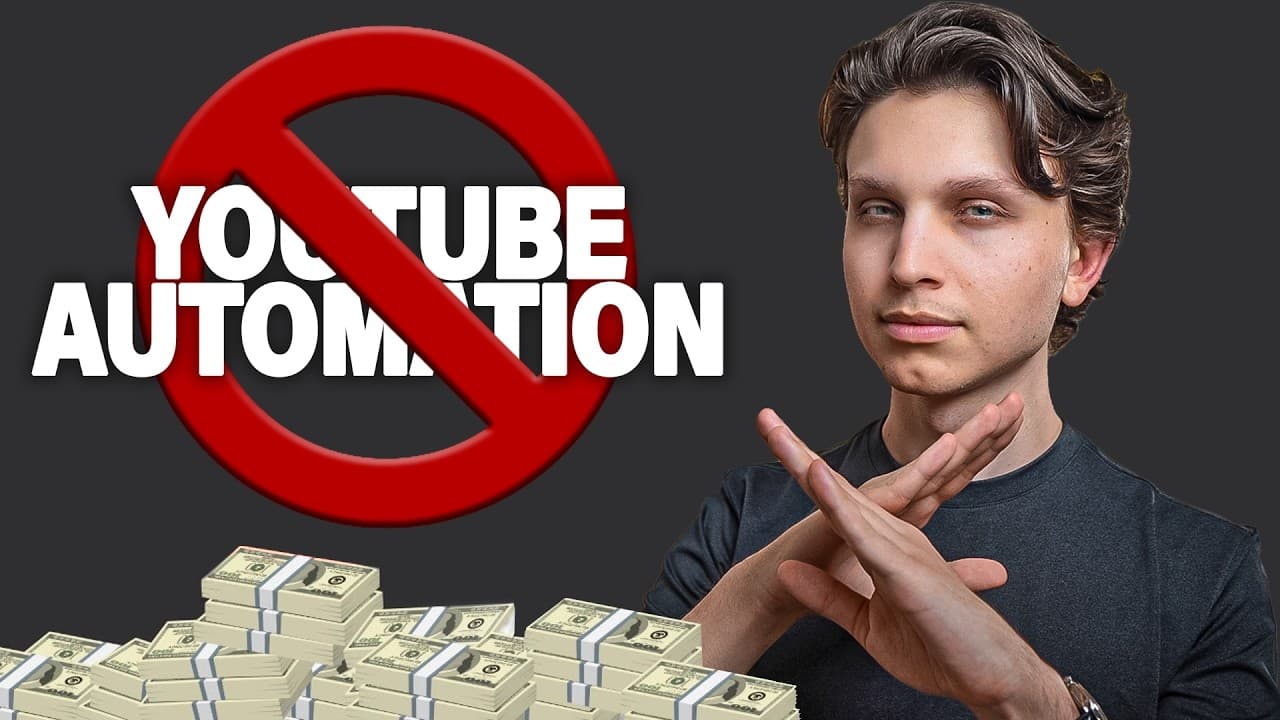
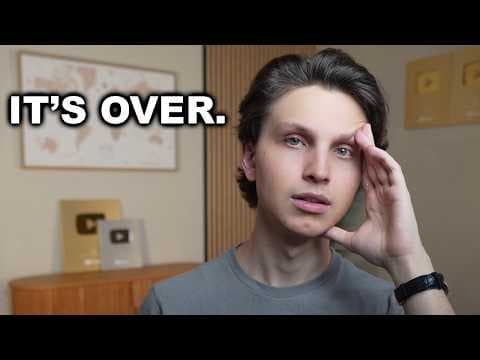
Do not start YouTube automation. Imagine that you've just watched your 47th YouTube automation tutorial, and you're convinced that this is your ticket to financial freedom. So, you spend $2,000 hiring editors, script writers, and voiceover artists, and you finally launch your faceless top 10 channel. And 6 months later, you've made a whopping $127 ... Read More
Key Insights
- YouTube automation often fails when monetization relies on AdSense and requires expensive teams.
- Commodity niches like scary stories or top 10 lists attract scroll and bounce viewers who are not buyers.
- To earn meaningful revenue from ads at a $5 RPM you would need about 2 million views per month, or 66,000 views per day.
- Successful creators start lean and scale smart instead of building a business on rented land controlled by YouTube.
- The real path is becoming a creator entrepreneur by solving high value problems that cost people $1,000 or more to fix.
- If you cannot be an expert, you can remix existing information into something new and valuable for your audience.
- A minimum viable channel can be started with solo effort and basic equipment such as a phone and free editing software.
- The speaker has personal success and claims to have taught over 11,000 people and generated over $5 million in revenue through these methods.
- More videos from this channel:
- More from this channel: Make Money Matt
Install to Summarize YouTube Videos and Get Transcripts
Explore YouTube Video Summarizer or Get YouTube Transcript Extractor
Questions & Answers
Q: How can I avoid the AdSense dependency in YouTube projects?
The video argues that AdSense should not be the core business model for a YouTube venture. Instead, it recommends focusing on high value problems and building a creator entrepreneur framework. Diversify revenue streams, use YouTube as a channel rather than the sole driver, and develop products or services that customers will pay for beyond ads.
Q: What is meant by choosing a problem niche in this approach?
A problem niche targets issues where people have expensive needs to solve, ideally costing $1,000 or more in time, money, or energy. By focusing on these problems in business, health, relationships, or productivity, creators can attract paying customers and build a durable business rather than competing in entertainment driven by views.
Q: Why is the commodity niche trap a problem for YouTube automation?
Commodity niches like scary stories or top 10 lists create a crowded market with scroll and bounce viewers who are unlikely to convert to paying customers. This makes monetization through AdSense inefficient and reduces the overall profitability of automated channels that rely on generic content rather than delivering unique value.
Q: What does the video say about starting lean with a minimum viable channel?
Start with yourself and basic equipment, creating价值 with your own knowledge or reference videos. Use a phone and free editing tools, with CapCut or iMovie as options. The goal is to deliver maximum value in the first 10 videos while keeping costs low and avoiding large upfront freelancer expenses.
Q: How does the speaker describe the risk of building on rented land?
The speaker explains that building a business on rented land means your entire model is at the mercy of YouTube algorithms and policy changes. If the platform changes, or if monetization changes, the business can suffer or collapse, making it unsafe as a long term strategy.
Q: What is the proposed three step framework mentioned in the video?
The framework starts with picking a problem niche, then creating a minimum viable channel, and finally scaling through lean growth and strategic monetization. This approach emphasizes solving real problems, delivering value, and building an independent business rather than relying solely on YouTube traffic.
Q: What is the recommended mindset for creators according to the video?
View yourself as an information DJ who remixes existing material into something new and valuable. You do not need to be an expert; you can combine the best parts of top videos to create superior content and answer audience questions, turning knowledge into a sustainable creative business.
Q: What personal credentials does the speaker share to support the method?
The speaker, Matt Par, claims to have taught over 11,000 people how to build YouTube businesses and generated over $5 million in revenue through the strategies he advocates. He emphasizes that results vary and cautions against false promises, offering a tested framework instead.
Summary & Key Takeaways
-
This video argues that traditional YouTube automation is flawed because it relies too much on AdSense and large upfront expenses, making it unsustainable. It urges viewers to pursue a creator entrepreneur path instead, solving expensive problems and building a durable business not tied to YouTube alone.
-
The recommended approach starts with a niche that solves a $1,000 plus problem, then uses a minimum viable channel created with basic gear. It emphasizes value over virality and avoiding rented land that could disappear with algorithm changes.
-
It also warns against commodity niches and explains how successful creators reduce risk by diversifying revenue and focusing on long term value, while showing how to start lean and scale smart.
Read in Other Languages (beta)
Share This Summary 📚
Summarize YouTube Videos and Get Video Transcripts with 1-Click
Try YouTube Summary with ChatGPT & Claude or YouTube Transcript Generator
Explore More Summaries from Make Money Matt 📚


Summarize YouTube Videos and Get Video Transcripts with 1-Click
Try YouTube Summary with ChatGPT & Claude or YouTube Transcript Generator