Does the New YouTube Policy End Faceless AI YouTube Channels?
TL;DR
YouTube’s July 15 policy change does not automatically end faceless AI channels; it targets mass-produced or repetitive material that lacks meaningful transformation. Creators can reduce monetization risk through original scripts, valuable commentary, varied visuals, human creative involvement, and a consistent virtual character. Read on to identify vulnerable formats and build a more distinctive, defensible channel.
Transcript
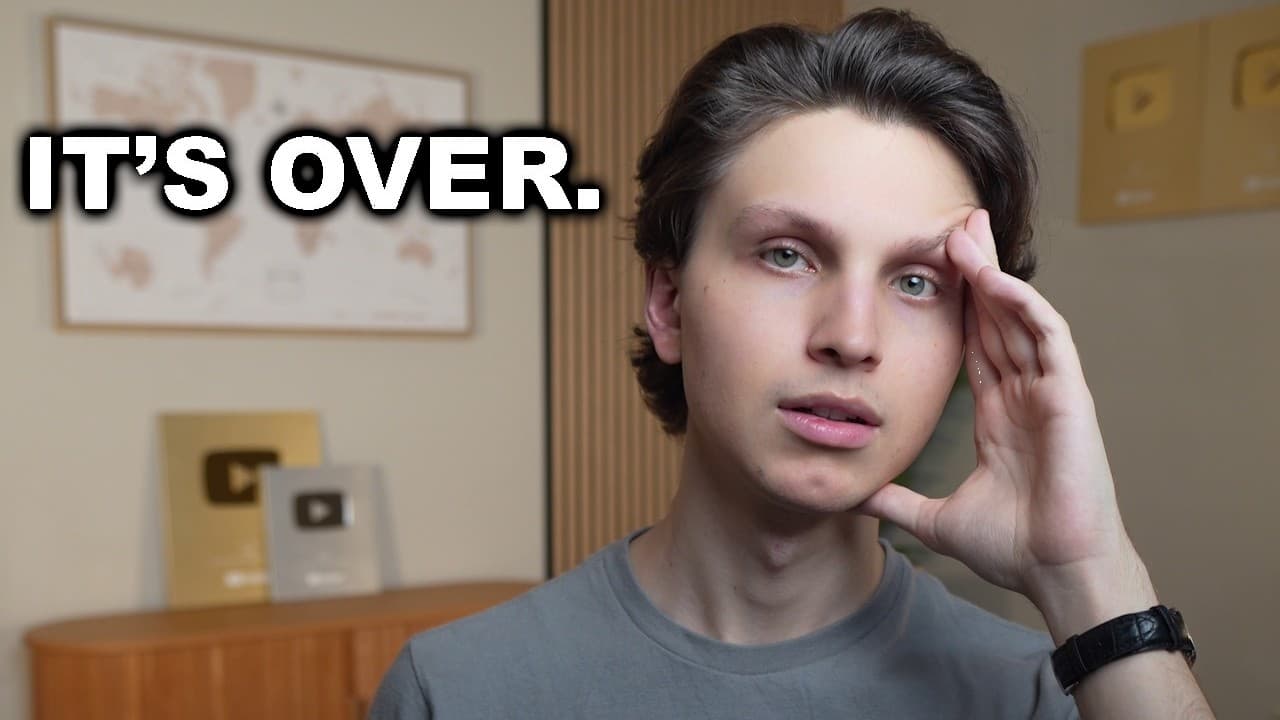
YouTube just updated everybody about a new policy change coming into effect on July 15th, and it low-key shook the AI faceless channel space. On Twitter, there was multiple tweets of people saying that AI channels are dead. But weirdly enough, the comment sections of those tweets were a mix of relief and also worry at the same time. But here's what... Read More
Key Insights
- YouTube's July 15 policy change is described by the platform as a minor update to long-standing partner policies. Its purpose is to improve identification of mass-produced or repetitive content that has already been considered ineligible for monetization for years.
- Faceless AI channels are not automatically prohibited under the policy described. The primary risk applies to channels that appear fully automated, publish repetitive videos at high volume, and provide little evidence of human judgment, original production, or meaningful value.
- Scraped Reddit story channels are presented as especially vulnerable when they copy stories, use obviously robotic narration, and display only one static image. The core problem is not merely faceless presentation, but minimal transformation and a format that a bot could reproduce completely.
- Transformative commentary is presented as a key distinction between acceptable reuse and simple compilation. Channels that narrate throughout reused clips, contribute original thoughts, and organize material into a new experience are contrasted with channels that merely combine and upload other people's videos.
- Meditation and ambient-sound channels may be at risk when they upload long recordings they did not create or stitch together generic material automatically. The suggested alternative is custom audio, guided meditation, affirmations, or original narration that adds a clear creative contribution.
- A virtual persona is a branding strategy for keeping a channel faceless while creating a recognizable identity. A recurring animated character can serve as the channel's face, help viewers form a connection, and turn the character into intellectual property associated with the brand.
- Originality is demonstrated through more than the use of multiple images or background clips. The transcript recommends original stories, stronger thumbnails, valuable scripts, thoughtful presentation, and visible human involvement so the finished channel does not appear to be operated entirely by automation.
- AI is presented as acceptable when it supports valuable creative work instead of producing commoditized, repetitive material. The recommended focus is using AI to strengthen animated characters, scripts, education, or entertainment while retaining meaningful human direction and building a long-term business.
Install to Summarize YouTube Videos and Get Transcripts
Explore YouTube Video Summarizer or Get YouTube Transcript Extractor
Questions & Answers
Q: Does YouTube’s July 15 policy end faceless AI YouTube channels?
No. YouTube described the change as a minor update to long-standing partner policies that helps identify mass-produced or repetitive content more effectively. Faceless presentation and AI use are not automatic violations; the greatest risk applies to repetitive, highly automated videos that add little original value.
Q: Which faceless AI YouTube channels are most at risk?
Channels that appear capable of operating entirely through automation are presented as the most vulnerable. The transcript highlights high-volume revenge-story channels that scrape Reddit, use robotic AI narration, and display only one static image without adding meaningful value.
Q: What does YouTube mean by mass-produced or repetitive content?
The phrase refers to low-effort formats that can be produced repeatedly with little or no human intervention. Examples discussed include scraped stories with automated narration, reused clips without meaningful commentary, and generic ambient recordings assembled from material the uploader did not create.
Q: How can a Reddit story channel reduce its monetization risk?
The transcript recommends writing completely original stories instead of scraping Reddit posts. It also suggests clearly presenting the channel as storytelling, improving thumbnails, using multiple relevant images or clips, and showing human involvement in the writing, editing, and presentation.
Q: How can compilation or reaction channels make reused clips transformative?
Creators can add original narration, analysis, commentary, and personal thoughts throughout the video. Merely combining other people’s clips is presented as risky, while organizing them into a new experience with a distinct voice provides clearer creative value.
Q: How can meditation or ambient-sound channels create more original videos?
These channels should avoid automatically assembling long recordings they did not create. The transcript recommends custom audio, original voiceovers, guided meditation, or affirmations that demonstrate a meaningful creative contribution.
Q: Why should a faceless YouTube channel use a virtual character?
A recurring animated character can become the recognizable face of a channel while allowing its creator to remain off camera. The transcript says this can strengthen the viewer connection, create intellectual property associated with the brand, and support future product sales.
Q: How should creators use AI without making their channels look fully automated?
AI should support original educational or entertainment value rather than produce an entire generic channel with minimal human judgment. Valuable scripts, original stories, thoughtful visuals, stronger thumbnails, consistent characters, and visible creative decisions help distinguish the finished work from repetitive automated content.
Summary & Key Takeaways
-
YouTube characterized the July 15 change as a minor update to long-standing partner policies, not a blanket ban on AI or faceless channels. The stated goal is to identify mass-produced or repetitive material more effectively. Content that viewers may consider spam has already been ineligible for monetization for years, according to YouTube's response.
-
The channels presented as most vulnerable publish low-effort material at high volume, such as scraped Reddit stories read by robotic voices over a single image. Compilation, meditation, music, and reaction formats may also face problems when they reuse material without meaningful transformation, original commentary, custom production, or clear human involvement.
-
The recommended strategy covered in the supplied transcript is to create a consistent virtual persona for a faceless channel. An animated character can become the recognizable face of the brand, strengthen audience connection, and support future sales. Original scripts, educational or entertainment value, thoughtful visuals, and human creative decisions remain central to differentiation.
Read in Other Languages (beta)
Share This Summary 📚
Summarize YouTube Videos and Get Video Transcripts with 1-Click
Try YouTube Summary with ChatGPT & Claude or YouTube Transcript Generator
Explore More Summaries from Make Money Matt 📚




Summarize YouTube Videos and Get Video Transcripts with 1-Click
Try YouTube Summary with ChatGPT & Claude or YouTube Transcript Generator