How to overcome self doubt and move forward confidently?
TL;DR
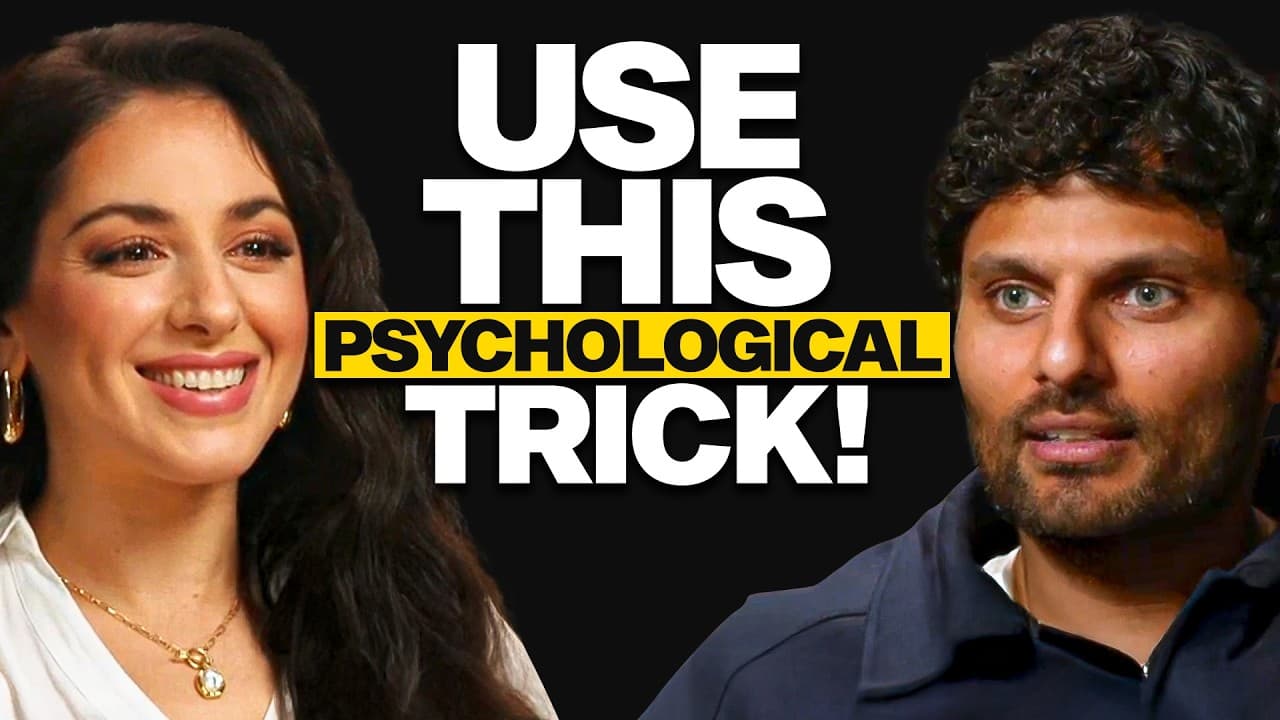
Self-doubt is driven by four drivers rooted in self-image. Identify which driver is driving your doubt and then apply concrete steps to move through it. Reframe should into could, and design simple action plans to regain control when things feel overwhelming.
Transcript
[music] [music] If someone was to listen to our podcast today, what would they overcome and what skills would they build? >> So, this is essentially going to be a master class on self-doubt, but not only what it is, actually determining for yourself what are the drivers of your self-doubt. Because we think selfdoubt is just one big blob of worry an... Read More
Key Insights
- Self-doubt is driven by four drivers that shape self-image and influence behavior.
- The first driver is acceptance, closely tied to self-esteem and the need for validation.
- The four drivers anchor how we see ourselves and predict our career satisfaction and happiness.
- A shrinking syndrome can occur when success feels threatening to self-worth.
- The Shaen Floyer cycle describes feeling better about others' failures when you fail, signaling low self-acceptance.
- An endless need for approval often leads to masking true desires and saying yes when you want to say no.
- Beliefs are repeated thoughts that become fast default neural pathways and can be overwritten with conscious practice.
- Overcoming self-doubt starts with recognizing you are not your thoughts and choosing new patterns to replace old beliefs.
- More videos from this channel:
- More from this channel: Jay Shetty Podcast
Install to Summarize YouTube Videos and Get Transcripts
Explore YouTube Video Summarizer or Get YouTube Transcript Extractor
Questions & Answers
Q: What are the four drivers of self-doubt and how do they relate to self-image?
The four drivers are acceptance, the need for validation, fear of success leading to shrinking, and the cycle of feeling better about others failures when you fail (Shaen Floyer cycle). Each driver shapes self-image by influencing how you value yourself and what you believe you deserve. When any of these drivers are weak, self-doubt grows and affects decisions, performance, and relationships. Understanding which driver dominates helps tailor specific actions to rebuild a healthier self-image and reduce doubt.
Q: How does early life experience influence self-image and self-doubt?
Early life experiences influence self-image by shaping beliefs about worth and belonging. If loving attention was conditional on achievement or performance, a person may develop a belief that they must perform to be worthy. These patterns become default reactions that persist into adulthood, affecting how one responds to opportunities, criticism, and success. Acknowledging this link helps in choosing to rewrite these patterns consciously.
Q: What is the role of beliefs in self-doubt, and can they be changed?
Beliefs are patterns of thought that become fast default neural pathways. They are not fixed, and with conscious effort and repetition, they can be overwritten. The process involves recognizing that you are not your thoughts, identifying the belief, and actively adopting new patterns of thinking and behavior to replace outdated, limiting beliefs.
Q: What practical steps can someone take to move through self-doubt according to the video?
Practical steps include diagnosing the dominant doubt driver through self-reflection, reframing should into could to expand possibilities, and designing simple, actionable plans to regain control when overwhelmed. Begin with acknowledging you are separate from your beliefs, then practice consistent, small actions that align with a desired future rather than feared outcomes, gradually reducing the impact of doubt.
Q: How does the Shaen Floyer cycle indicate poor self-acceptance, and what can be done about it?
The Shaen Floyer cycle shows that you derive some relief from others’ failures when you fail yourself, indicating low self-acceptance. To address it, work on recognizing this pattern, reframe comparisons as learning opportunities, and build a supportive inner dialogue that values personal growth over competitive comparisons. This helps reduce the negative emotional loop.
Q: Why is it important to separate yourself from your thoughts when addressing self-doubt?
Separating yourself from thoughts helps you view beliefs as patterns rather than truths. This creates space to question and rewrite those patterns. By recognizing thoughts as repeated cues rather than immutable facts, you can choose new responses, replace limiting beliefs, and stop letting self-doubt dictate actions or decisions.
Q: What is meant by converting fear into forward action, and how can it be applied?
Converting fear into forward action means using fear as a signal for preparation and next steps rather than as a stop sign. Apply it by breaking daunting tasks into smaller, manageable steps, choosing a course that moves you toward a goal despite fear, and reinforcing progress with small wins. This creates momentum and reduces the paralyzing effect of fear.
Q: How can one shift from a should mindset to a could mindset, according to the discussion?
Shifting from should to could involves reframing expectations from rigid obligations to possibilities. This means asking what you could do rather than what you should do, exploring multiple paths, and choosing options that maintain momentum and alignment with values. This shift expands action opportunities and lowers resistance caused by perfectionistic thinking.
Summary & Key Takeaways
-
This episode explains that self-doubt stems from four drivers tied to self-image, and diagnosing your personal profile helps you choose effective actions. It emphasizes that doubt can be managed by conscious choices and by reframing thoughts from should to could, enabling forward progress.
-
The conversation links early life experiences and beliefs to present self-doubt, illustrating how acceptance, fear of success, and need for approval shape behavior. It then offers actionable steps to shift attention from fear to possibility and start taking decisive actions.
-
A practical framework is provided to turn fear into forward momentum, including recognizing beliefs as patterns, rewriting internal narratives, and creating simple, sustainable action plans to regain control when overwhelmed.
Read in Other Languages (beta)
Share This Summary 📚
Summarize YouTube Videos and Get Video Transcripts with 1-Click
Try YouTube Summary with ChatGPT & Claude or YouTube Transcript Generator
Explore More Summaries from Jay Shetty Podcast 📚





Summarize YouTube Videos and Get Video Transcripts with 1-Click
Try YouTube Summary with ChatGPT & Claude or YouTube Transcript Generator