How to turn an idea into a real business quickly
TL;DR
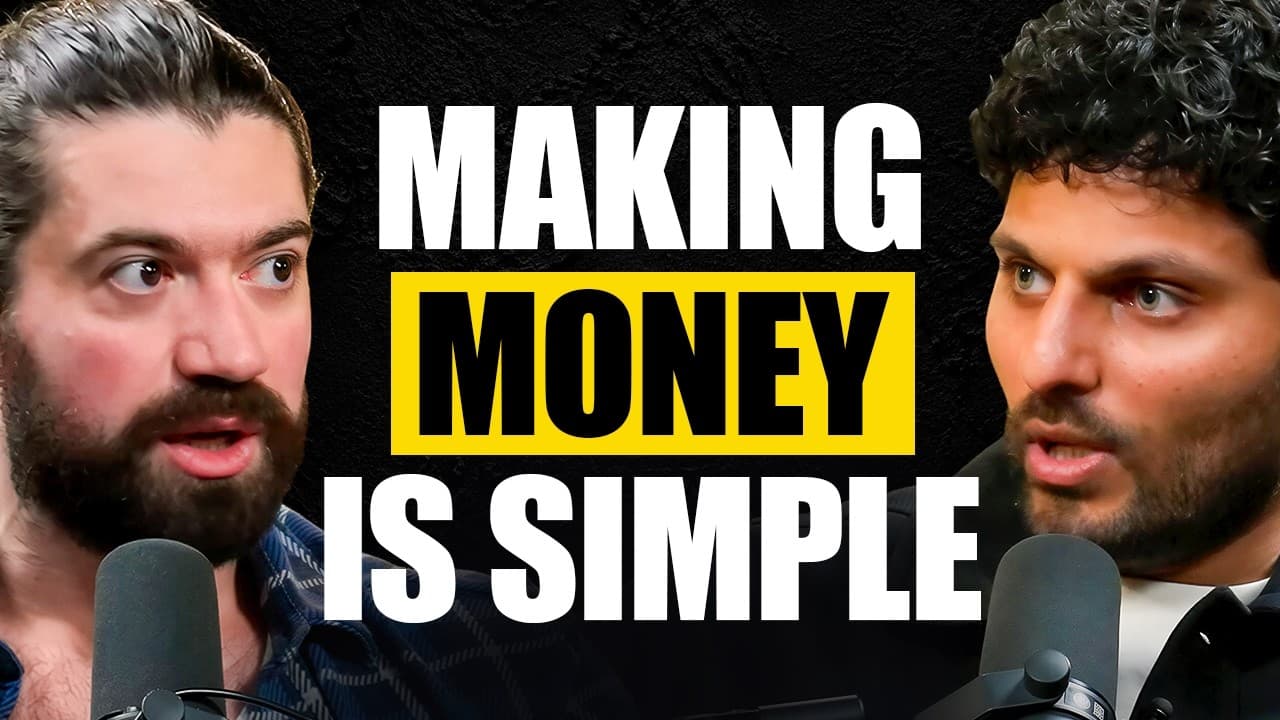
The core message is to stop chasing quick wins and focus on actionable steps. Build income by developing valuable skills, promoting your offer, converting customers, and delivering reliably. Recognize the five stages of entrepreneurship and push through the painful learning period to reach true achievement.
Transcript
What are you going to unblock for them when you if someone read all your books, listen to your podcast, listen to today's podcast, what are they going to unblock that's been tripping them up, keeping them behind or holding them back? I think they would have clarity on what actions were required to get what they wanted and then at that point they wo... Read More
Key Insights
- Actions determine outcomes, not intentions, and the observable steps required to build a business must be identified.
- The number one misconception is that investing is the first step; active income creates cash flow that enables bigger moves.
- Money should be viewed as money per unit of time, reframing the problem from passive vs active to value earned per hour.
- Speculation often collapses due to the greater fool theory, making controlled, repeatable processes preferable to luck-based bets.
- There are five stages in entrepreneurship: uninformed optimism, informed pessimism, despair, informed optimism, and achievement.
- To break through early attempts, stay in the painful learning phase long enough to acquire essential skills and insights.
- Start with skills you can monetize and pair promotion, conversion, and delivery as core business elements.
- Avoid trying to address every problem at once; focus on practical problems in your life that you can solve first.
- More videos from this channel:
- More from this channel: Jay Shetty Podcast
Install to Summarize YouTube Videos and Get Transcripts
Explore YouTube Video Summarizer or Get YouTube Transcript Extractor
Questions & Answers
Q: How can I start turning ideas into a real business without waiting for perfect conditions
Start by identifying a practical problem you can solve that aligns with your skills and current work. Focus on three core elements: promotion to let people know about your stuff, a way to convert interest into a sale, and reliable delivery. This creates a repeatable model you can iterate on, reducing risk while you learn what actually works.
Q: What is the biggest misconception about building wealth quickly
The biggest misconception is that investing alone makes you rich and that you can easily gamble on high risk bets. Real growth comes from sustained cash flow from active income that funds bigger moves, plus a disciplined approach to learning and executing. Understand the variables at play and avoid blind bets.
Q: Why is the 'follow your passion' advice considered poor in this framework
Passion alone does not provide a viable path to income. The framework emphasizes concrete actions—promotion, conversion, and delivery—and discovering a profitable problem to solve. Passion can guide you, but without a practical plan and marketable offering, it won’t generate reliable income.
Q: What are the five stages of entrepreneurship and how do you move between them
The stages are uninformed optimism, informed pessimism, despair, informed optimism, and achievement. You move from optimism to deeper understanding after encountering losses, then stay through the painful learning phase to gain skills and knowledge. With improved insight, you progress toward achievement, not by avoiding pain but by learning from it.
Q: How should I think about time and money when starting a venture
Think in terms of money per unit of time. If you can earn more per hour by developing valuable skills and running a repeatable process, you can fund bigger bets later. This reframes decisions away from binary active vs passive debates and toward optimizing hourly value.
Q: What role does the learning process play in long term success
Learning is the engine of improvement. Staying in the painful learning phase forces you to acquire essential variables and skills, reducing ignorance tax. The path to mastery requires repeated, targeted practice and willingness to endure initial losses for larger, sustainable gains.
Q: How can I avoid the crypto style trap of chasing big wins
Avoid putting life savings into speculative bets where you cannot control the variables. The solution is to build consistent income first, then use surplus cash flow to fund selective bets if desired. This reduces risk and keeps you anchored in measurable, controllable actions.
Q: What practical steps can I take in the next 5 years to reach achievement
Begin with skills that generate income, establish a simple three part framework (promotion, conversion, delivery), pick a problem you care about, and build a repeatable process around it. Continuously learn, iterate on your offer, and push through the difficult learning period until you reach consistent achievement.
Summary & Key Takeaways
-
A plan of action is more important than abstract goals, and clarity on required steps helps move from confusion to concrete progress.
-
Entrepreneurs should prioritize skill building and income per unit of time over speculative bets, which reduces risk and increases long term viability.
-
The five stages of entrepreneurship describe a progression from optimism through despair to informed optimism and achievement, with the painful middle stage driving essential learning.
Read in Other Languages (beta)
Share This Summary 📚
Summarize YouTube Videos and Get Video Transcripts with 1-Click
Try YouTube Summary with ChatGPT & Claude or YouTube Transcript Generator
Explore More Summaries from Jay Shetty Podcast 📚





Summarize YouTube Videos and Get Video Transcripts with 1-Click
Try YouTube Summary with ChatGPT & Claude or YouTube Transcript Generator