How to Worry Less and Focus on What Matters
TL;DR
Choose deliberately what deserves your concern, act on problems you can influence, and stop dwelling on matters you cannot change. A better life comes from accepting negative experiences, caring less about other people’s judgments, valuing the work required for meaningful goals, and recognizing that pursuing constant positivity can make the present feel inadequate.
Transcript
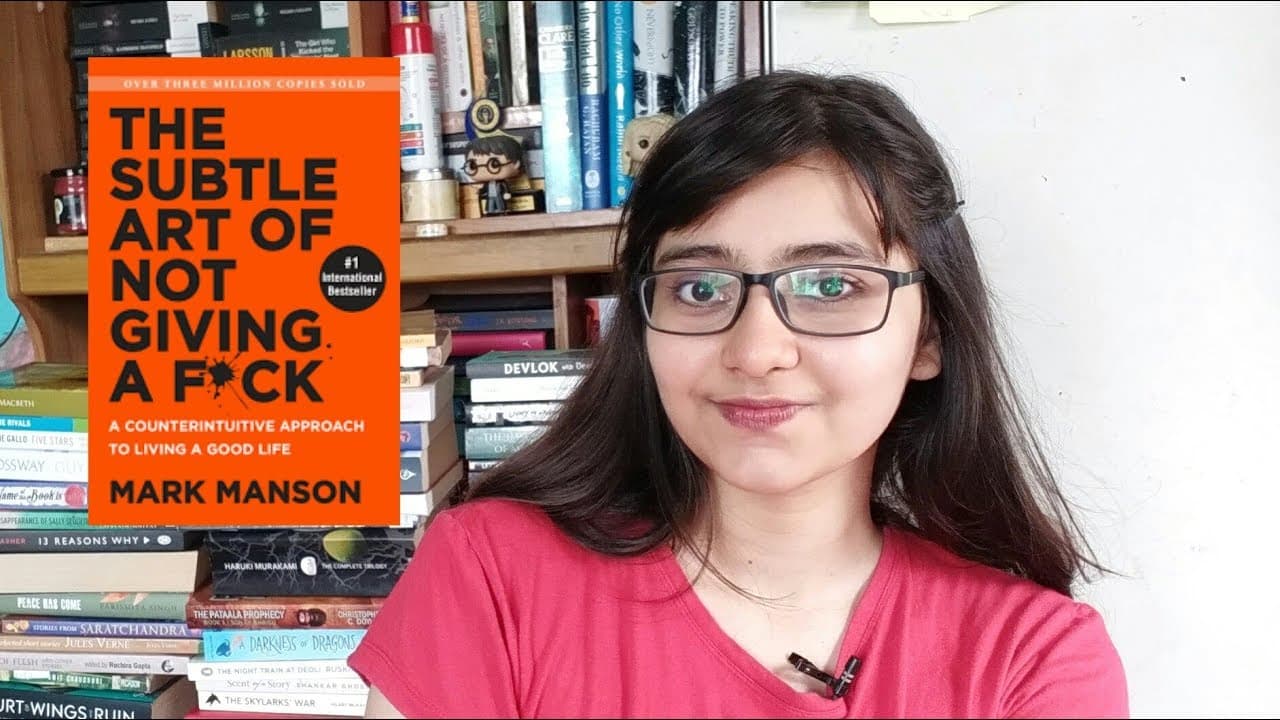
hey guys it's Ellie and welcome back to my youtube channel in today's nonfiction books Emily we have the subtle art of not giving a [ __ ] by Marc Manson and it is a really really great book in its concept but I really felt that some of it was very repetitive but anyway it's a very popular book right now maybe because of the title honestly because ... Read More
Key Insights
- Selective concern is the central principle: caring less does not mean caring about nothing. It means deciding which goals, relationships, and problems are important enough to deserve attention, while refusing to waste limited time on matters that have little consequence.
- Stoic reasoning separates problems into those you can influence and those you cannot. When action is possible, taking action is more useful than worrying. When nothing can be done, continued worry still provides no practical benefit and only consumes personal energy.
- The pursuit of more positive experiences can make the present feel negative. Constantly searching for something better encourages dissatisfaction with what already exists, while accepting difficult or negative experiences can become a constructive and emotionally positive response.
- Embarrassment loses power when ordinary mistakes are accepted. Falling down or looking foolish does not require prolonged concern about how others perceived the moment. Acknowledging what happened, laughing when appropriate, and moving forward prevents social judgment from controlling future behavior.
- Fear of other people’s opinions can stop meaningful action. Questions about what parents, acquaintances, or others might say can prevent someone from following a desired path. The recommended response is to focus on personally important action instead of imagined reactions.
- Commitment to the process is more useful than attachment to results. A student who wants a high grade must engage with studying, and a creator seeking channel growth must keep producing content. Desired outcomes become more attainable when the necessary work receives primary attention.
- Personal accountability remains important even when outside judgment is ignored. Forgetting completed homework is different from never doing it, because the second situation reflects a failure to meet one’s own responsibility. Worrying less should not become an excuse for avoiding necessary effort.
- Keeping multiple paths open can be reasonable when important interests coexist. The reviewer disagrees with rejecting every alternative, citing her ability to pursue both studying and YouTube. Her position is that parallel paths can continue until experience shows that maintaining both is no longer possible.
- Related book: The Subtle Art of Not Giving a F*ck
- Export your Kindle highlights to Glasp: How to Download Highlights and Notes from Kindle
- More videos about this book:
Install to Summarize YouTube Videos and Get Transcripts
Explore YouTube Video Summarizer or Get YouTube Transcript Extractor
Questions & Answers
Q: How can I worry less about unimportant things?
Begin by deciding whether the issue genuinely matters and whether you can do anything about it. If action is possible, take the useful step instead of repeatedly worrying. If no action is possible, recognize that worry will not change the outcome. This approach preserves attention for responsibilities, goals, and relationships that are important rather than minor events or imagined judgments.
Q: What does not caring mean in this book summary?
Not caring does not mean becoming indifferent to everything. It means reducing concern about matters that do not deserve your limited time and attention while continuing to care about meaningful goals and responsibilities. The individual must decide what is important. The principle therefore involves selective concern, not neglecting work, accountability, relationships, or personally valuable ambitions.
Q: How does Stoic thinking help control worry?
Stoic thinking, as presented in the summary, asks whether a troubling situation is within your ability to influence. When you can do something, the appropriate response is action rather than worry. When you cannot do anything, worrying still has no useful purpose because it cannot alter the situation. The distinction helps redirect attention from anxious thought toward practical choices.
Q: Why can searching for positive experiences feel negative?
Searching constantly for more positive experiences can imply that the current experience is inadequate, which makes the present feel negative. Accepting an unpleasant or difficult experience can instead become a positive response because it removes the struggle to deny reality. Contentment comes from noticing what is already available rather than treating happiness as something that must always be found elsewhere.
Q: How should someone respond to embarrassment or failure?
Someone who falls, makes a mistake, or appears foolish should accept that such events happen and continue forward without excessive concern about other people’s impressions. The summary recommends laughing at oneself when appropriate instead of repeatedly thinking about looking foolish. Other people’s judgments do not need to determine the meaning of the experience or prevent future action.
Q: Why is loving the process more important than wanting the result?
Results depend on the actions that produce them, so wanting an outcome without engaging in its process is insufficient. A student may want a high grade, but studying is the work that makes the grade possible. Likewise, a creator who wants channel growth should focus on making content. Attention to present effort is more practical than persistent anxiety about a future result.
Q: Should you ignore what other people think about your plans?
Other people’s possible reactions should not automatically prevent you from following a path that matters to you. Worrying about what parents or acquaintances may say can stop action before anything has happened. The summary recommends moving toward personally meaningful goals while maintaining accountability. Ignoring outside judgment is useful when that judgment concerns embarrassment or conformity, not when it excuses neglected responsibilities.
Q: Should you focus on one path or keep alternatives open?
The reviewer disagrees with the recommendation to reject all alternatives and focus exclusively on one direction. She argues that a single path might later prove unsuitable, leaving a person without another option. Her own example is pursuing both strong academic performance and YouTube at the same time. She intends to continue both interests unless maintaining them together becomes impossible.
Summary & Key Takeaways
-
The central lesson is to reserve worry for matters that genuinely deserve attention. A Stoic approach asks whether action is possible: if it is, take that action; if it is not, worrying accomplishes nothing. Life is too short to spend excessive energy on insignificant events or imagined judgments from others.
-
Accepting uncomfortable experiences can be healthier than constantly searching for positive ones, because endless pursuit makes the present seem negative. Mistakes, embarrassment, and failure should be acknowledged without excessive self-consciousness. Not caring does not mean becoming indifferent; it means consciously selecting the people, goals, and problems that merit concern.
-
Meaningful results depend on valuing the process required to produce them. Wanting a high grade is insufficient without studying, just as wanting channel growth cannot replace creating content. The reviewer supports focused effort but rejects the idea of eliminating every alternative, arguing that studying and creating videos can develop successfully together.
Read in Other Languages (beta)
Share This Summary 📚
Summarize YouTube Videos and Get Video Transcripts with 1-Click
Try YouTube Summary with ChatGPT & Claude or YouTube Transcript Generator