Why Are the Law of Attraction and New Age Gurus Considered a Grift?
TL;DR
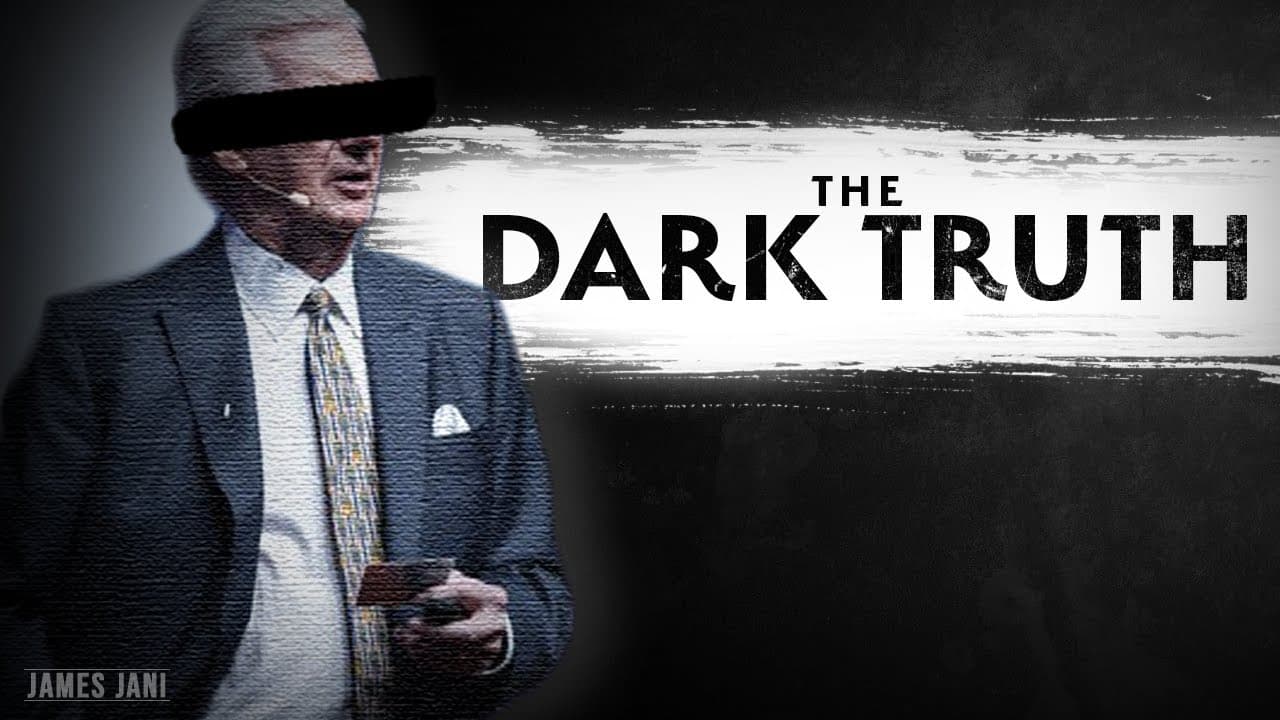
The documentary argues that the Law of Attraction and New Age spirituality can become a grift by selling idealistic promises to vulnerable people while disregarding reality. It traces these ideas from Phineas Quimby’s New Thought movement to Rhonda Byrne’s 2006 film The Secret, which exceeded $65 million in sales, and examines fraud allegations and exaggerated achievements in Napoleon Hill’s history. Read on for the movement’s roots, claims, risks, and business patterns.
Transcript
before we begin it's important that I emphasize a few disclaimers by no means am I calling the individuals mentioned in this video scammers consider what you are about to see a criticism of their business practices and promoted ideologies not an incitement of harassment or hate I have no way of knowing their true intentions it is entirely possible ... Read More
Key Insights
- The Law of Attraction claims that everything coming into your life is attracted by the images you hold in your mind, suggesting overweight comes from 'fat thoughts' and lack of money comes from mentally blocking it.
- The Secret, released by Rhonda Byrne in 2006, exceeded $65 million in sales and became a cultural phenomenon by promising health, wealth, and happiness through a single feel-good idea.
- The industry's first pattern is targeting a vulnerable audience: people struggling financially, having relationship problems, suffering from disease, or searching for answers, because emotion and desperation dull critical thinking.
- New Thought traces back to Phineas Parkhurst Quimby, an American clockmaker born in 1802 who believed the mind could cure illness after supposedly recovering from tuberculosis through his own healing methods.
- New Thought originally focused on the mind's ability to heal disease, emphasizing intuition, feeling, and anecdotal evidence over empirical science, before the 20th century extended the ideology into wealth creation.
- Napoleon Hill, author of The Law of Success and Think and Grow Rich, has a documented history of failed businesses, fraud, and grossly exaggerated achievements rather than genuine success.
- Hill's 1907 Acree-Hill Lumber Company faced bankruptcy and mail fraud charges within a year, and by September 1908 he was on the run from authorities after selling credit-bought lumber cheaply for cash.
- Andrew Carnegie's biographer stated there was no evidence that Carnegie and Hill ever met, contradicting Hill's famous claim that Carnegie personally tasked him with interviewing successful men.
Install to Summarize YouTube Videos and Get Transcripts
Explore YouTube Video Summarizer or Get YouTube Transcript Extractor
Questions & Answers
Q: Why does the documentary argue that the Law of Attraction and New Age gurus are a grift?
The documentary argues that New Age spirituality enables a profitable pattern involving self-help, pseudoscience, multi-level marketing, scammers, and subtle deception. It says these businesses can harm vulnerable people by promoting promises built on a flawed disregard for reality, while emphasizing that the criticism concerns business practices and ideologies rather than claiming every individual has dishonest intentions.
Q: What is the Law of Attraction?
The Law of Attraction is the belief that people attract circumstances through the images and thoughts they hold in their minds. The Secret applied this idea to health, wealth, and happiness, even suggesting that excess weight comes from “fat thoughts” and that people lack money because their thoughts block it.
Q: How successful was Rhonda Byrne’s film The Secret?
Rhonda Byrne released The Secret in 2006, featuring gurus who promoted the Law of Attraction as a path to health, wealth, and happiness. The film exceeded $65 million in sales and became a cultural phenomenon spread through DVDs, books, recommendations, and word of mouth.
Q: How does the New Age spirituality industry target vulnerable people?
The documentary identifies people facing financial struggles, relationship problems, disease, or a general search for answers as a particularly vulnerable audience. It argues that desperation and strong emotions can weaken critical thinking, making simple promises of dramatic change with little effort especially appealing.
Q: What risks can arise from believing The Secret?
The documentary describes a woman with cancer who refused medical treatment because she believed in The Secret. It uses this case to argue that teachings based on thought and vibrational frequency can become dangerous when they encourage people to disregard material reality.
Q: Who was Phineas Quimby, and how did he influence New Thought?
Phineas Parkhurst Quimby was an American clockmaker born in 1802 who believed the mind could cure illness. After supposedly recovering from tuberculosis through his own methods, his philosophy became a foundation for New Thought and influenced later writers who expanded the movement.
Q: What is Napoleon Hill’s documented history behind Think and Grow Rich?
The documentary contrasts Napoleon Hill’s self-help reputation with a history of failed businesses, fraud allegations, and exaggerated achievements. His Acree-Hill Lumber Company faced bankruptcy and mail-fraud charges within a year of its 1907 founding, and by September 1908 he was reportedly fleeing authorities after selling credit-bought lumber cheaply for cash.
Q: Did Napoleon Hill actually meet Andrew Carnegie?
Hill claimed that Andrew Carnegie asked him to interview successful men and discover the principles that later informed Think and Grow Rich. According to Carnegie’s biographer, however, there is no evidence that Carnegie and Hill ever met, casting doubt on Hill’s account.
Summary & Key Takeaways
-
New Age spirituality has grown massively in the mainstream self-help industry through figures like Napoleon Hill and Rhonda Byrne, but a booming business behind it does more harm than good, illustrated by a woman with cancer who refused medical treatment because she believed in The Secret.
-
The Law of Attraction is one branch of the broader New Thought movement, which holds that we all have divinity within us and that positive thinking manifests results in the material world. Its roots trace to Phineas Quimby, born 1802, who believed the mind could cure illness.
-
Napoleon Hill's real narrative involves fraud, including the Acree-Hill Lumber Company bankruptcy and mail fraud, the Automobile College of Washington scam using free student labor, and the George Washington Institute where he sold overvalued shares, leading to arrest warrants for violating Blue Sky laws.
Read in Other Languages (beta)
Share This Summary 📚
Summarize YouTube Videos and Get Video Transcripts with 1-Click
Try YouTube Summary with ChatGPT & Claude or YouTube Transcript Generator
Explore More Summaries from James Jani 📚
Summarize YouTube Videos and Get Video Transcripts with 1-Click
Try YouTube Summary with ChatGPT & Claude or YouTube Transcript Generator