Why Did Investors Keep Buying Bed Bath Shares?
TL;DR
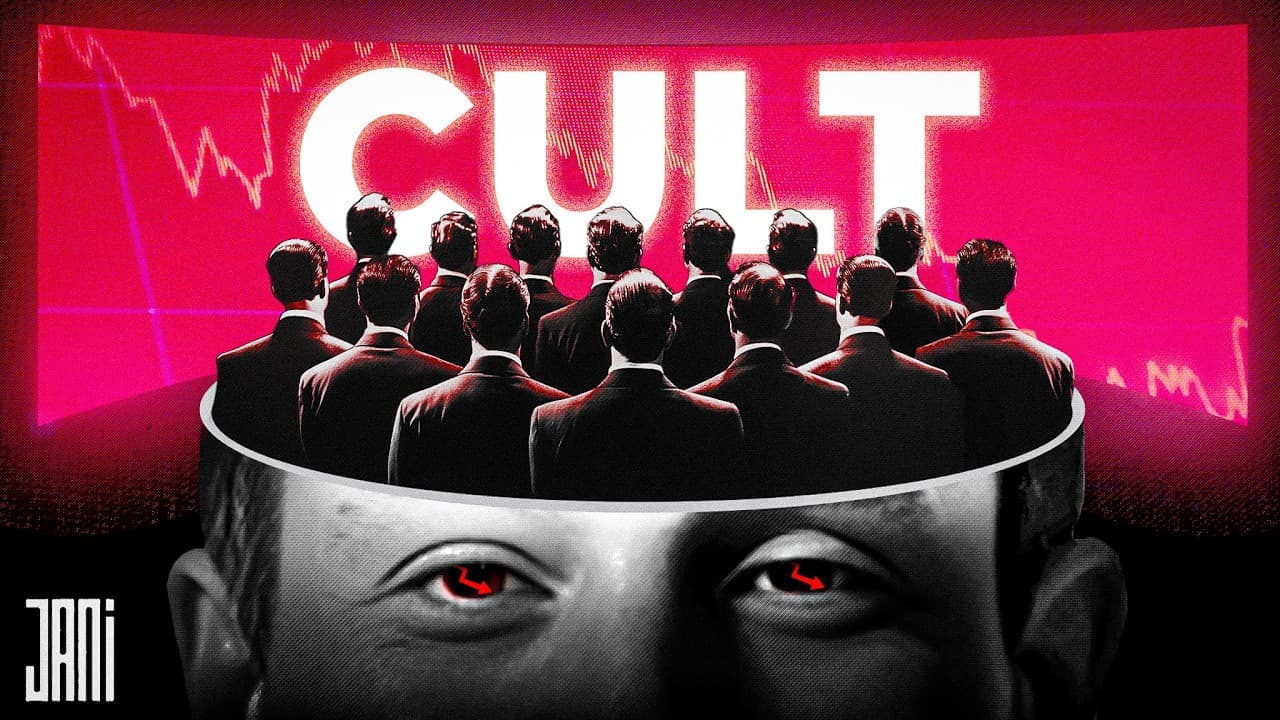
Ryan Cohen’s investment persuaded many retail investors that Bed Bath & Beyond could repeat GameStop’s rise, but he later sold his entire position near the stock’s August 2022 peak. The sale triggered a sharp decline, heavy losses, accusations of a pump and dump, and a lawsuit, while some shareholders continued interpreting Cohen’s tweets and emojis as evidence of a larger plan.
Transcript
I've seen so many tweets talking about how like we're the flat earthers of the investing world and like all that but you're crazy until you're not and that's true of like pretty much everything in life this is egg loser boy someone I've befriended over the last few months he's been telling me about a company he's invested his money into a company t... Read More
Key Insights
- Ryan Cohen’s reputation was central to the Bed Bath & Beyond investment thesis. Many investors followed him because they believed his involvement with GameStop demonstrated that he could rescue another heavily shorted brick-and-mortar company struggling to adapt to digital commerce.
- Bed Bath & Beyond was financially weaker than the optimistic community narrative suggested. The transcript describes falling revenues, serious losses, accumulating debt, store closures, difficulty paying suppliers, and defaults, all of which complicated comparisons with GameStop and challenged expectations of a turnaround.
- The r/BBBY community became a gathering place for retail investors who believed the stock could produce a dramatic short squeeze. Some members committed their life savings or borrowed money because they expected Cohen to transform the company or drive the share price substantially higher.
- Cohen’s August 2022 filing convinced investors that he still retained his stake despite the company’s problems. The filing contributed to renewed confidence, and the share price rose from roughly $5 at the start of August to more than $25 during the month.
- Cohen’s complete sale transformed the community’s central source of confidence into a source of suspicion. He exited near the stock’s peak, reportedly earned around $60 million, and left shareholders facing a rapid price decline after many had purchased shares at elevated prices.
- Cryptic social-media messages played an important role in investor interpretation. Cohen’s reply featuring a smiling moon emoji was treated by some shareholders as reassurance that he supported their interests, although an interviewed professional described the idea of coded emoji communication as bonkers.
- The pump-and-dump allegation arose after Cohen sold his position following filings and tweets that investors believed signaled confidence. Some shareholders argued that he knowingly encouraged demand for a failing company, while the transcript presents this as an accusation rather than an established conclusion.
- The legal dispute focused partly on whether Cohen’s communications could mislead a reasonable investor. Shareholders filed a lawsuit alleging deliberate manipulation, but the transcript also highlights the difficulty of treating an ambiguous tweet or emoji as actionable financial communication.
Install to Summarize YouTube Videos and Get Transcripts
Explore YouTube Video Summarizer or Get YouTube Transcript Extractor
Questions & Answers
Q: Why did investors buy Bed Bath & Beyond shares?
Many investors bought Bed Bath & Beyond shares because Ryan Cohen disclosed a 9.8% stake and proposed strategies for improving the struggling retailer. His involvement with GameStop had earned him a devoted following, so investors viewed the new position as evidence that another turnaround or short squeeze might occur. Some considered his access to information and previous actions strong reasons to trust the opportunity.
Q: How did Ryan Cohen influence Bed Bath & Beyond investors?
Ryan Cohen influenced investors through his reputation, ownership position, corporate proposals, regulatory filing, and social-media activity. Followers interpreted his continued stake and a tweet containing a smiling moon emoji as signs that he remained confident and supported shareholders. Because many already regarded him as responsible for GameStop’s prospects, his actions carried more weight than Bed Bath & Beyond’s deteriorating financial condition.
Q: What financial problems did Bed Bath & Beyond face?
Bed Bath & Beyond faced falling revenues, serious losses, growing debt, and store closures. The transcript also says the retailer struggled to pay suppliers and defaulted on debts after Cohen sold his shares. These problems made its situation more severe than GameStop’s in the documentary’s comparison and undermined the belief that Cohen could simply repeat his earlier strategy with another struggling retailer.
Q: How much did Bed Bath & Beyond stock rise in August 2022?
The transcript states that Bed Bath & Beyond shares began August 2022 at about $5 and climbed beyond $20 and then $25 by the middle of the month. It describes the stock as rising 135% over three days and approximately 400% from the start of the month. The surge followed renewed attention to a filing showing that Cohen still held his stake.
Q: What happened when Ryan Cohen sold his Bed Bath & Beyond stake?
Ryan Cohen sold his entire Bed Bath & Beyond position two days after the release of filings that investors had interpreted as positive. The sale occurred near the share-price peak, reportedly earned him around $60 million, and almost doubled his original investment. After the disclosure, the stock fell sharply, leaving many shareholders with heavy losses and prompting allegations that Cohen had exploited their trust.
Q: Why was Ryan Cohen accused of a pump and dump?
Some shareholders accused Cohen of a pump and dump because his filing and cryptic tweet appeared to reinforce confidence before he sold his entire position near the stock’s peak. Afterward, reports about unpaid suppliers and debt defaults strengthened suspicions that he knew the company was failing. The transcript presents these claims as investor allegations and does not establish that deliberate manipulation occurred.
Q: How did the r/BBBY community interpret Ryan Cohen’s tweets?
Members of the r/BBBY community often treated Cohen’s cryptic tweets and emojis as coded messages for loyal followers. A reply containing a smiling moon emoji was interpreted by some as reassurance that he had shareholders’ interests in mind and expected the stock to rise. The documentary contrasts that belief with a professional opinion that the theory of emoji-based investor communication was bonkers.
Q: What risks did Bed Bath & Beyond investors take?
Some Bed Bath & Beyond investors placed their life savings into the stock, while others took out loans to buy shares. They acted on expectations that Cohen would transform the company or that the stock would produce a dramatic short squeeze. When Cohen sold and the price collapsed, investors who entered near the top watched much of their money disappear while some continued holding their shares.
Summary & Key Takeaways
-
Ryan Cohen disclosed a 9.8% stake in struggling retailer Bed Bath & Beyond on March 6, 2022, and proposed strategies for turning the company around. His earlier GameStop involvement gave retail investors confidence, leading some followers to invest savings, take out loans, and gather in the r/BBBY subreddit.
-
Bed Bath & Beyond faced falling revenue, serious losses, mounting debt, store closures, supplier problems, and debt defaults. Despite these warning signs, Cohen’s public filing and cryptic tweet encouraged continued optimism. The stock rose from about $5 at the start of August 2022 to above $25 during the month.
-
Cohen sold his entire Bed Bath & Beyond position near the stock’s peak, reportedly making around $60 million and nearly doubling his investment. The subsequent price collapse devastated shareholders. Some accused him of deliberately misleading investors, while others continued believing his tweets and emojis communicated a hidden plan to loyal followers.
Read in Other Languages (beta)
Share This Summary 📚
Summarize YouTube Videos and Get Video Transcripts with 1-Click
Try YouTube Summary with ChatGPT & Claude or YouTube Transcript Generator
Explore More Summaries from James Jani 📚

Summarize YouTube Videos and Get Video Transcripts with 1-Click
Try YouTube Summary with ChatGPT & Claude or YouTube Transcript Generator