What Is the Prosperity Gospel in Megachurches?
TL;DR
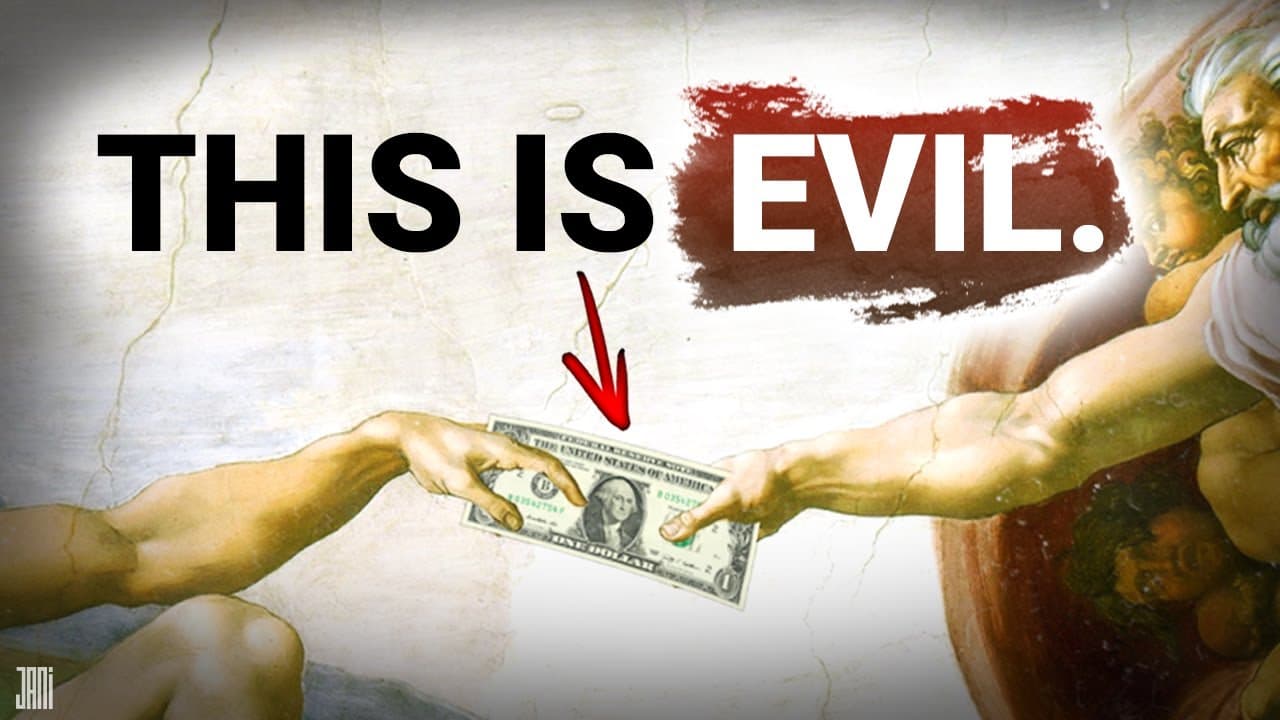
The prosperity gospel teaches that God wants believers to prosper in their finances, health, marriages, and relationships through faith and practices such as tithing. Promoted by megachurch preachers including Kenneth Copeland and Benny Hinn, it encourages followers to donate while some leaders own private jets, luxury homes, and expensive property. Read on to understand its teachings, prominent figures, fundraising model, and major criticisms.
Transcript
i was raised as a catholic but i wouldn't really describe myself as religious today i had never heard of things like mega churches or televangelism or the prosperity gospel that was until i stumbled across an infamous interview how are you sir we'd just like to ask you about why you don't want to fly commercial you've got this journalist that is co... Read More
Key Insights
- The prosperity gospel teaches that faith can bring financial and personal success.
- Kenneth Copeland and Benny Hinn are prominent figures in the prosperity gospel movement.
- Megachurches often have congregations of over 2,000 members.
- Followers are encouraged to 'sow seed' or donate money in exchange for blessings.
- Critics argue that prosperity theology exploits believers for financial gain.
- Faith healing events often rely on psychological effects rather than genuine miracles.
- The prosperity gospel is linked to New Thought philosophy from the 19th century.
- Despite criticism, prosperity preachers continue to have large followings.
Install to Summarize YouTube Videos and Get Transcripts
Explore YouTube Video Summarizer or Get YouTube Transcript Extractor
Questions & Answers
Q: What is the prosperity gospel in megachurches?
The prosperity gospel teaches that God wants believers to prosper through their finances, health, marriages, and relationships. Also called the teachings of the Word of Faith movement, it presents prosperity as something believers can receive through faith.
Q: What is a megachurch?
A megachurch is defined here as a church with a larger-than-average congregation, normally 2,000 members or more. Its services can resemble concerts, with celebrity-like preachers addressing large, enthusiastic crowds.
Q: How does tithing work in the prosperity gospel?
Tithing traditionally means giving one tenth of one’s wealth to a religious organization. Under prosperity-gospel teaching, tithing is also presented as laying the foundation for financial success and abundance.
Q: Who are prominent prosperity gospel preachers mentioned on the page?
The page discusses Kenneth Copeland, Jesse Duplantis, Benny Hinn, Joel Osteen, and Creflo Dollar. It associates them with large ministries, broadcasts, bestselling books, celebrity services, claimed miracles, or expensive assets.
Q: Why is Kenneth Copeland controversial?
Kenneth Copeland was confronted about purchasing a Gulfstream jet and avoiding commercial flights. The page says he and his wife Gloria founded Kenneth Copeland Ministries and own a $7 million home, a fleet of jets, and a church with membership in the thousands.
Q: What does Benny Hinn claim to do?
Benny Hinn claims to perform miracles. He fills stadiums and broadcasts his events on networks worldwide.
Q: How does the prosperity gospel explain believers’ power to obtain prosperity?
The teaching describes believers as “little gods” because they were made in God’s image and therefore possess a level of divinity. According to this idea, that divine capacity allows believers to bring promised prosperity into existence through faith.
Q: Why do critics object to the prosperity gospel?
Critics argue that it exploits believers’ faith for financial gain by linking donations with expected blessings and prosperity. The criticism intensifies when preachers display private jets, mansions, Rolls-Royces, expensive real estate, and costly clothing funded through their ministries or followers.
Summary & Key Takeaways
-
The prosperity gospel is a belief system where wealth and health are seen as divine blessings, promoted by televangelists like Kenneth Copeland. Followers are encouraged to donate money to receive blessings, often funding the lavish lifestyles of preachers. This controversial doctrine is criticized for exploiting believers' faith for financial gain.
-
Prominent figures like Benny Hinn claim to perform miracles, but these events often rely on psychological effects rather than genuine healings. The prosperity gospel's roots trace back to New Thought philosophy, promising health, wealth, and happiness through faith.
-
Despite facing criticism from within and outside Christianity, prosperity preachers maintain large followings. The doctrine's appeal lies in its promise of success and happiness, but it often leads to financial exploitation of believers, with preachers living extravagant lifestyles.
Read in Other Languages (beta)
Share This Summary 📚
Summarize YouTube Videos and Get Video Transcripts with 1-Click
Try YouTube Summary with ChatGPT & Claude or YouTube Transcript Generator
Explore More Summaries from James Jani 📚


Summarize YouTube Videos and Get Video Transcripts with 1-Click
Try YouTube Summary with ChatGPT & Claude or YouTube Transcript Generator