How a Nap Can Boost Your Productivity (If You Do It Right)
TL;DR
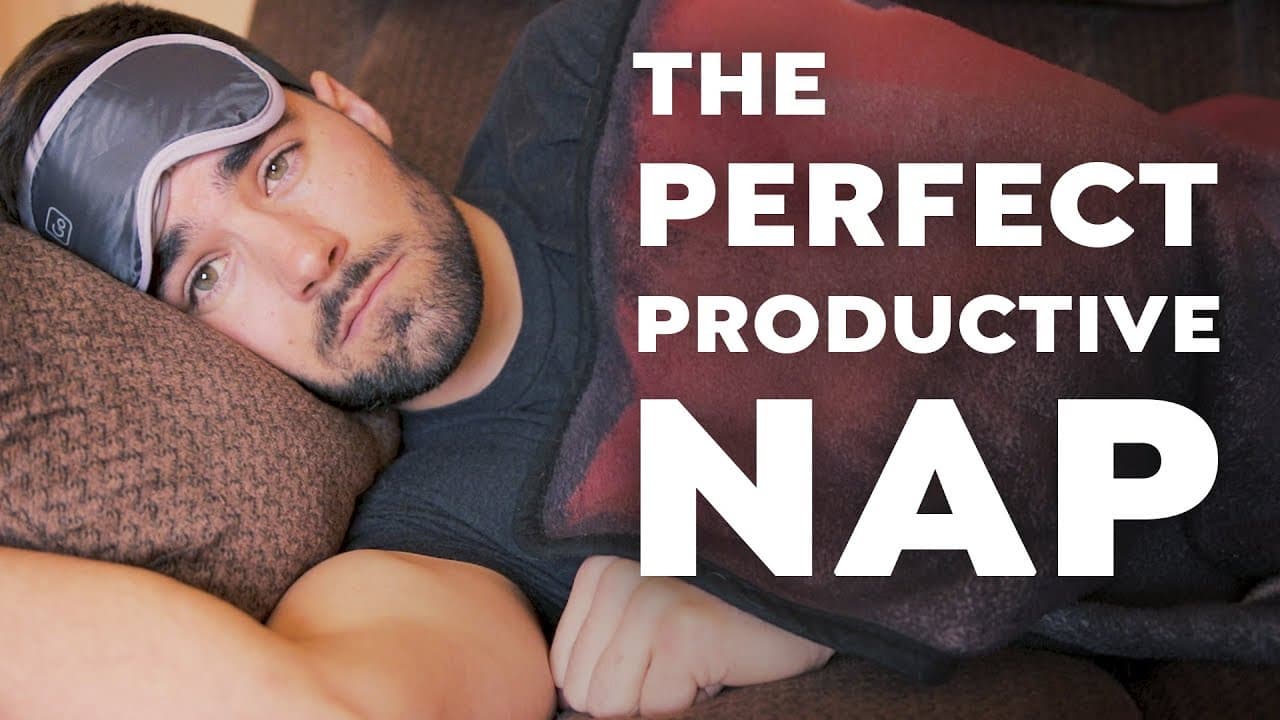
A 10 to 20 minute afternoon nap between one and four PM can reduce fatigue and leave you more energetic while limiting the risk of sleep inertia or disrupted nighttime sleep. A full 90 minute nap may also support memory consolidation. Read on for the timing, duration, and creative techniques that can make a nap more productive.
Transcript
- The surrealist painter, Salvador Dali, had a pretty interesting hack for generating new creative ideas. During the afternoons he would sit in his chair with one arm draped over the side of that chair holding a key. And beneath that key there was an upside down plate. From there he would let himself drift off until just before the moment he was ab... Read More
Key Insights
- 🥡 Taking an afternoon nap has numerous benefits for productivity, creativity, and overall well-being.
- 😪 The ideal duration for an afternoon nap is 10 to 20 minutes, ensuring you do not enter deep sleep stages and experience sleep inertia.
- 🐿️ Napping between 1 to 4 PM aligns with the natural dip in energy levels, maximizing the effectiveness of the nap.
- 😃 Creating a suitable environment, including a dark, quiet space and using tools like eye masks and earplugs, can enhance the quality of your nap.
- 😀 The app "Peziz" offers ambient soundscapes, guided meditations, and sleep timers to optimize your afternoon nap experience.
- ☕ Trying a coffee nap, where you consume caffeine and immediately take a short nap, can combine the benefits of both a nap and a cup of coffee.
- 😪 Naps should not replace healthy habits like sufficient nighttime sleep, regular exercise, adequate sunlight exposure, proper hydration, and a balanced diet.
Install to Summarize YouTube Videos and Get Transcripts
Explore YouTube Video Summarizer or Get YouTube Transcript Extractor
Questions & Answers
Q: How can a nap boost productivity?
An afternoon nap can reduce feelings of fatigue and leave you more energetic for the rest of the day. It can also support creativity and memory consolidation, although a poorly timed nap may cause grogginess or waste time.
Q: How long should a power nap be?
For most people, the recommended power nap lasts 10 to 20 minutes. This duration helps avoid the later stages of the sleep cycle that can cause sleep inertia when interrupted.
Q: What is the best time to take an afternoon nap?
The suggested window is between one and four PM. Before one PM, the afternoon energy dip may not have arrived, while a nap after four PM risks interfering with nighttime sleep.
Q: Can a 90 minute nap be beneficial?
Yes, a 90 minute nap allows a full revolution through the sleep cycle. It can provide additional benefits that a short power nap may not offer, such as memory consolidation.
Q: Why do afternoon naps sometimes cause grogginess?
Grogginess can occur when you wake during a later sleep stage with slower brain wave activity. This effect is called sleep inertia and can create a strong desire to return to sleep.
Q: Why do people feel tired in the afternoon?
The circadian rhythm creates natural changes in energy throughout the day. Many people experience an afternoon dip around one to three PM, although its severity varies with the person and the quality and amount of nighttime sleep.
Q: How did Salvador Dali use naps to generate ideas?
Salvador Dali sat in a chair holding a key above an upside-down plate and allowed himself to drift toward sleep. When the key fell and struck the plate, it woke him, often with a new artistic idea, a technique he called sleeping without sleeping.
Q: How did Thomas Edison and Beethoven use naps for creativity?
Thomas Edison was rumored to use Salvador Dali's technique with a ball bearing instead of a key. Beethoven took naps in his carriage to get new musical ideas.
Summary & Key Takeaways
-
Definition: Sleep inertia is the grogginess and desire to return to sleep that can occur when waking during a later sleep stage.
-
Number: Over 40 million people in the US get less than six hours of sleep per night.
-
When: The circadian rhythm often produces an afternoon energy dip around one to three PM.
-
Step 1: Schedule a 10 to 20 minute power nap between one and four PM.
-
Step 2: Avoid napping after four PM because it can interfere with nighttime sleep.
-
Compare: A 90 minute nap completes a sleep cycle and can offer memory consolidation beyond a typical power nap.
-
Number: The average person takes around 14 minutes to fall asleep at night.
-
Who: Salvador Dali used a key and upside-down plate to wake himself while drifting toward sleep.
-
Who: Thomas Edison reportedly used a ball bearing, while Beethoven napped in his carriage for musical ideas.
-
Definition: An afternoon nap can reduce fatigue, restore energy, support creativity, and help with memory consolidation.
Read in Other Languages (beta)
Share This Summary 📚
Summarize YouTube Videos and Get Video Transcripts with 1-Click
Try YouTube Summary with ChatGPT & Claude or YouTube Transcript Generator
Explore More Summaries from Thomas Frank 📚





Summarize YouTube Videos and Get Video Transcripts with 1-Click
Try YouTube Summary with ChatGPT & Claude or YouTube Transcript Generator