What Traits Make an Exceptional Innovator?
TL;DR
Exceptional innovators possess high levels of openness, conscientiousness, and disagreeableness, enabling them to pursue new ideas and work tirelessly. They thrive in collaborative environments but must navigate uncertainties and adapt their plans frequently. Personal relationships can significantly influence their journey, either supporting or hindering their creative processes.
Transcript
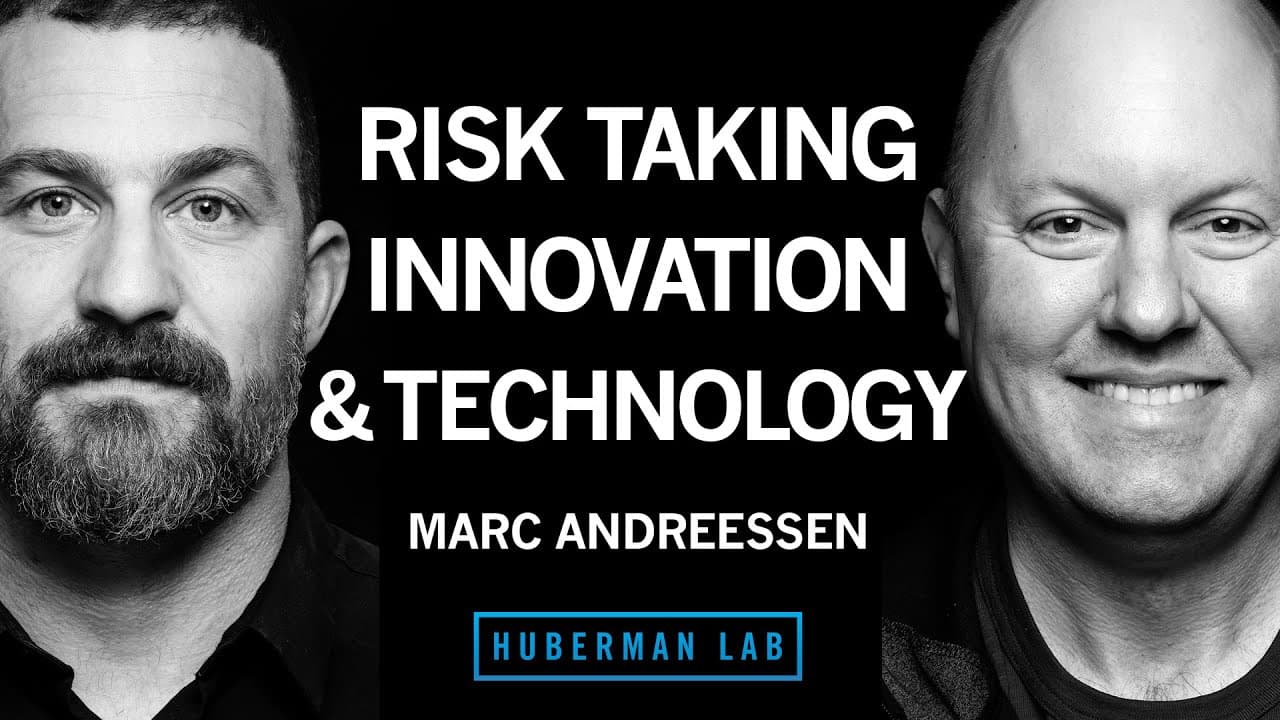
Andrew Huberman: [MUSIC PLAYING] Welcome to the Huberman Lab podcast, where we discuss science and science-based tools for everyday life. I'm Andrew Huberman, and I'm a professor of neurobiology and ophthalmology at Stanford School of Medicine. Today, my guest is Marc Andreessen. Marc Andreessen is a software engineer and an investor in technology ... Read More
Key Insights
- 💦 Exceptionality in innovation involves a combination of innate personality traits, hard work, risk-taking, and adaptability.
- 💦 Innovators benefit from collaborating with others in their field and navigating the uncertainties of their work.
- ⚾ Personal relationships can either support or hinder innovators' success, and their impact varies based on individual dynamics.
Install to Summarize YouTube Videos and Get Transcripts
Explore YouTube Video Summarizer or Get YouTube Transcript Extractor
Questions & Answers
Q: What personality traits do exceptional innovators possess?
Exceptional innovators have high levels of trait openness, conscientiousness, disagreeableness, and intelligence. These traits enable them to embrace new ideas, work hard, and take calculated risks.
Q: How do innovators navigate the uncertainties of their work?
Innovators chart out different paths, anticipate challenges, and continually adjust their plans based on new information and feedback from the environment. They view hypotheses and experimentation as essential components of the innovation process.
Q: Do personal relationships impact innovators' success?
Personal relationships can either support or hinder innovators' journeys. Some innovators have stable personal lives and can compartmentalize their risk-taking tendencies. However, others may engage in extreme behaviors or self-sabotage, which can lead to personal challenges.
Q: Does the public's tolerance level impact innovation?
The public tends to be more forgiving and open to innovative ideas and behaviors, as seen through the continued success of individuals like Mike Tyson. However, elites and institutions may have a different response, which can affect an innovator's progress.
Summary & Key Takeaways
-
Exceptional innovators possess high levels of trait openness, conscientiousness, disagreeableness, and intelligence. These traits enable them to pursue new ideas and work tirelessly to achieve their goals.
-
Innovators thrive in environments where they can collaborate and learn from others in their field. However, clustering can also lead to groupthink, stifling creativity and progress.
-
The development and execution of innovative ideas require careful planning, navigation of uncertainty, and constant adaptation. Innovators aim to make a significant impact on the world, and success often hinges on their ability to pivot their plans based on new learnings.
-
Personal relationships can either support or hinder innovators' journey. The personalities and risk-taking tendencies of innovators may enhance or strain personal relationships. Furthermore, some innovators may be more prone to self-sabotage or extreme behaviors that can impact their personal lives.
Read in Other Languages (beta)
Share This Summary 📚
Summarize YouTube Videos and Get Video Transcripts with 1-Click
Try YouTube Summary with ChatGPT & Claude or YouTube Transcript Generator
Explore More Summaries from Andrew Huberman 📚


Summarize YouTube Videos and Get Video Transcripts with 1-Click
Try YouTube Summary with ChatGPT & Claude or YouTube Transcript Generator