What Are the Best Practices for Recovery from a TBI?
TL;DR
To recover from a traumatic brain injury (TBI), avoid additional head injuries and focus on foundational practices such as quality sleep, nutrition, and stress management. Hyperbaric oxygen therapy shows promise for improving brain function, while essential fatty acids can support cognitive health. Balancing dopamine levels through intermittent rewards can also aid in behavior regulation during recovery.
Transcript
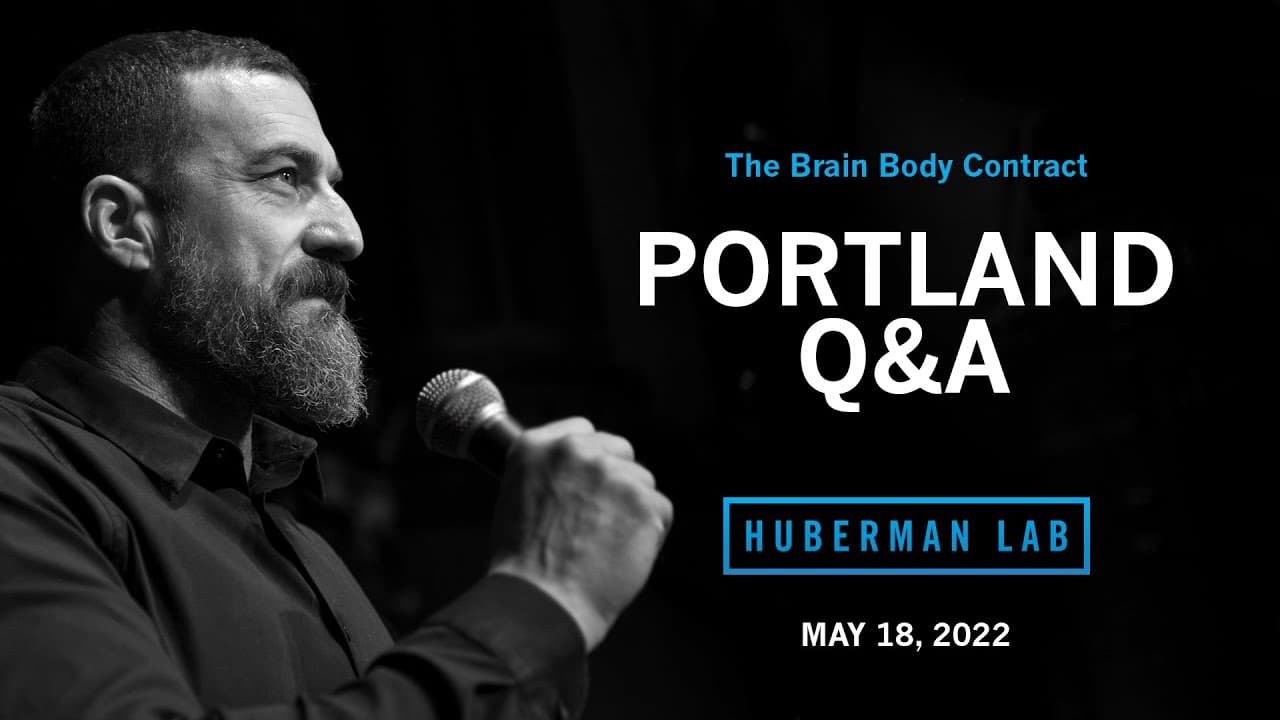
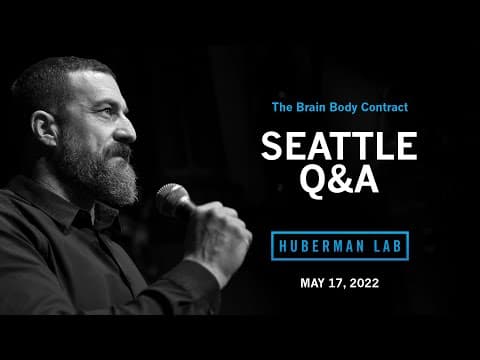
- Welcome to the Huberman Lab Podcast, where we discuss science and science based-tools for everyday life. [light music] I'm Andrew Huberman, and I'm a Professor of Neurobiology in Ophthalmology at Stanford School of Medicine. Recently, I had the pleasure of hosting two live events, one in Seattle, Washington, and one in Portland, Oregon, both enti... Read More
Key Insights
- 😪 Traumatic brain injuries can result from various causes, and the best practices include avoiding additional head injuries and implementing modulatory factors like sleep, nutrition, stress management, and social connections.
- 😘 Dopamine levels can be regulated through intermittent random rewards rather than constant stimuli. Low doses of dopamine receptor blockers can also help control dopamine-related behaviors.
- 🧠 Morning sunlight exposure is beneficial for brain plasticity and can be combined with other factors like exercise, temperature changes, and social engagement to enhance overall health.
- 😚 Overexposure to social media can impact brain function, and maintaining a balance between close-up and long-distance viewing is essential.
- 🙂 Red light therapy shows promise in improving mitochondrial function, vision, and overall brain health.
- 😒 It is crucial to find a balance and avoid overdoing high-intensity activities like ice baths, as their regular use may lead to diminishing returns.
- 🥰 Cultivating a mindset of love and thinking about loved ones can provide motivation and help manage fear.
Install to Summarize YouTube Videos and Get Transcripts
Explore YouTube Video Summarizer or Get YouTube Transcript Extractor
Questions & Answers
Q: What are the current best practices for post-traumatic brain injuries (TBIs), especially long-term and multiple cases? Thoughts on hyperbaric oxygen therapy as a treatment for TBIs?
TBIs can result from various causes, including construction work and accidents, not just sports. The best practices for TBIs involve avoiding additional head injuries and implementing modulatory factors like good sleep, nutrition, stress management, and social connections. Hyperbaric therapy, while promising, may not be readily available or affordable in many cases.
Q: How can one decrease dopamine levels when there is an excess and certain behaviors or habits need to be broken?
High dopamine levels can lead to a narrow focus and addictive behaviors. While pharmacological intervention can help temporarily, it is not recommended for long-term use. Instead, one should aim to modulate dopamine through intermittent, random rewards rather than seeking constant stimuli. Psychiatric medication with low doses of dopamine receptor blockers can be helpful for extreme cases.
Q: If you had 10 minutes a day to improve brain plasticity, what would you do and when would you do it?
Morning sunlight exposure is a highly beneficial practice for anchoring one's physiology. Viewing low solar angle sunlight in the morning can help regulate circadian rhythms and enhance brain plasticity. Combining this with other factors like exercise, temperature changes, and social engagement can have a compounding effect.
Q: How can individuals in demanding careers optimize their health, particularly when it is challenging to establish consistent routines?
Consistency is important, but it's also essential to adapt to one's work schedule. Try to combine beneficial cues like sunlight exposure, temperature changes, exercise, food, and social engagement within a specific time frame each day. This can help regulate internal clocks and establish a more balanced approach to health optimization.
Q: How is social media changing our brains?
Overexposure to social media can affect our brain function, but it's essential to differentiate between the format and content. Staring at small visual apertures for extended periods can impact eyesight, and the content of social media can be overwhelming and anxiety-provoking. Striving for a balance and maintaining consistent routines of long-distance viewing for every 30 minutes of close-up viewing can be helpful.
Q: What new neurological research excites you the most?
Recent studies on the effects of red light therapy on mitochondrial function and vision restoration are intriguing. Red light has shown positive effects on reversing vision loss and improving mitochondrial function. Additionally, investigations into the gut microbiome's role in brain health and the potential of fermented foods are fascinating.
Q: Can ice baths be overdone and lead to extreme low dopamine levels?
Any behavior that consistently spikes adrenaline, like frequent ice baths, can result in desensitization and a reduction in the positive effects. Balancing the frequency and intensity of such activities is crucial to avoid diminishing returns. It is essential to allow space for improvement and not overutilize high-intensity practices.
Q: What are your favorite brain hacks for doing hard things?
Professor Huberman emphasizes the power of accessing adrenaline to tackle difficult tasks. While negative emotions can trigger adrenaline, cultivating a mindset of love and thinking about loved ones or supportive individuals can provide a positive source of motivation. Balancing challenge and support is key to pushing through hard tasks.
Q: What do you fear, and how do you manage fear?
Professor Huberman's greatest fear is letting down his friends. He strongly values friendship and would do anything to avoid disappointing them. He shared a personal strategy of thinking about people he loves and who have supported him, which helps him manage fear and stay motivated.
Summary & Key Takeaways
-
Professor Huberman discusses traumatic brain injuries (TBIs), their prevalence, and best practices for post-TBI care, including the use of hyperbaric chambers and essential fatty acids.
-
He talks about dopamine regulation, including ways to decrease dopamine for certain behaviors or habits.
-
Professor Huberman shares insights on enhancing brain plasticity, optimizing health in demanding careers, and the effects of social media on the brain. He also explores the potential benefits of red light therapy in mitochondrial disease.
Read in Other Languages (beta)
Share This Summary 📚
Summarize YouTube Videos and Get Video Transcripts with 1-Click
Try YouTube Summary with ChatGPT & Claude or YouTube Transcript Generator
Explore More Summaries from Andrew Huberman 📚
Summarize YouTube Videos and Get Video Transcripts with 1-Click
Try YouTube Summary with ChatGPT & Claude or YouTube Transcript Generator