Warren Buffett | Testimony | 2008 Financial Crisis | June 2, 2010
TL;DR
Moody's ratings for housing-related securities performed poorly, and its CEO Raymond McDaniel called the outcome deeply disappointing while insisting the ratings were the firm's best opinion at the time they were assigned. Questioned on accountability, McDaniel acknowledged management changes were made but not at the board or CEO level, and said he would step aside only if shareholders or directors lost confidence in him.
Transcript
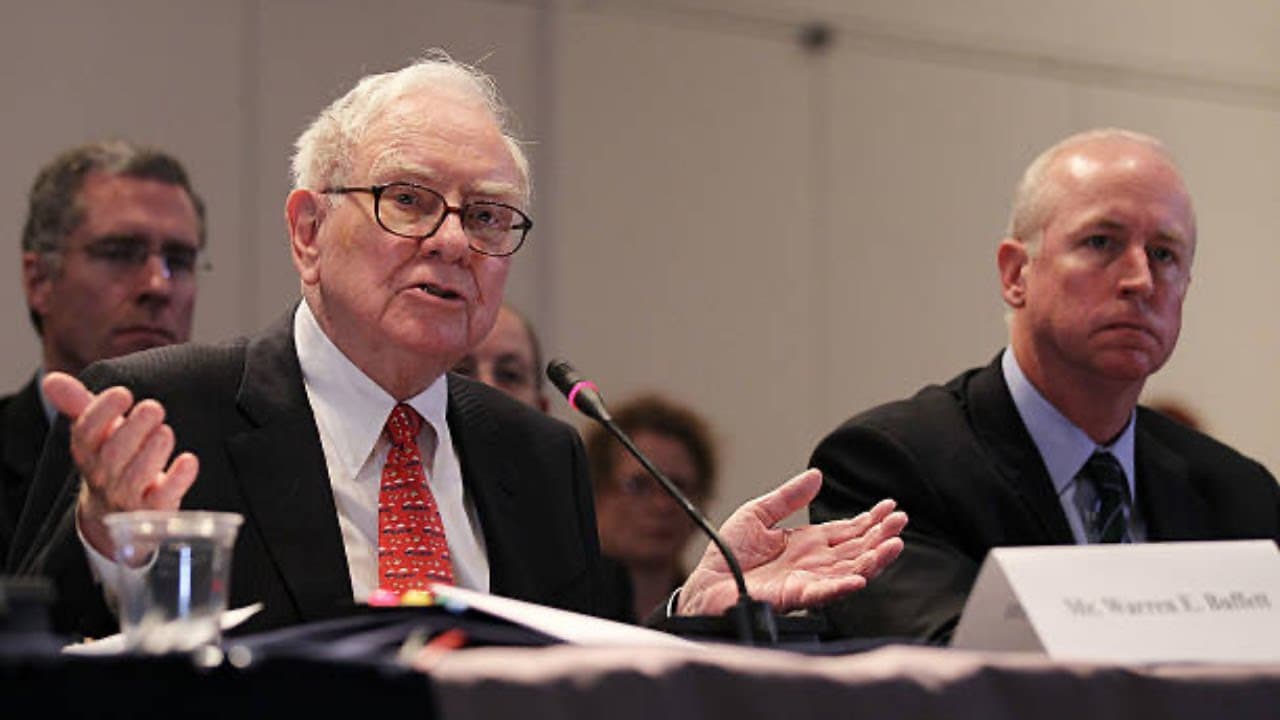
we will now come back in the session uh we are going to begin the second session of today's hearing on the credibility of credit ratings investment decisions made based on those ratings and the financial crisis this second session is credit ratings in the financial crisis we are joined today at the witness table by mr warren buffett the chairman an... Read More
Key Insights
- The hearing's central question is who should be held accountable when a credit rating agency's core product, the ratings themselves, proves defective, given a capitalist system built on rewarding success and penalizing failure.
- Moody's chairman and CEO Raymond McDaniel testified that reputation is the firm's single most important asset, built over a century of rating debt across many sectors, asset types, and regions.
- McDaniel conceded that Moody's was not satisfied with the performance of its ratings for U.S. residential mortgage-backed securities and related collateralized debt obligations, calling the record deeply disappointing.
- Moody's says it observed loosening mortgage underwriting standards and rising housing prices early, repeatedly flagged the trends in research, and by the mid-period was requiring an unprecedented level of credit protection.
- The core defense offered was that neither Moody's nor most other market participants, observers, or regulators anticipated the severity or speed of the housing market's deterioration, and that even enhanced protections proved insufficient.
- The commission argued a common-sense test should have applied, noting Moody's rated a vast number of mortgage tranches as top grade while only a tiny share of more transparent corporate debt earns that same rating.
- Moody's says it responded with self-evaluation and initiatives across six areas: analytical integrity, consistency across rating groups, transparency, resources, conflict-of-interest measures, and industry-wide reform.
- When pressed on top-level accountability, McDaniel said Moody's made management changes but not at the board or CEO level, and that he would leave only if shareholders, the board, or he himself judged he was no longer best positioned to lead.
Install to Summarize YouTube Videos and Get Transcripts
Explore YouTube Video Summarizer or Get YouTube Transcript Extractor
Questions & Answers
Q: What was the 2008 financial crisis hearing about?
The session focused on the credibility of credit ratings, the investment decisions made based on those ratings, and their role in the financial crisis. The commission examined how credit rating agencies contributed to the run-up to the crisis, probing two main issues: the business and management practices and corporate accountability of the agencies, and the broader model for credit rating agencies in the financial markets.
Q: Who testified at the credit ratings session?
Two witnesses appeared at the table: Warren Buffett, chairman and CEO of Berkshire Hathaway, and Raymond McDaniel, chairman and CEO of Moody's Corporation, the parent of the credit rating agency Moody's Investors Service. Both were sworn in under penalty of perjury. McDaniel delivered a prepared opening statement, while Buffett declined the opportunity to make one, saying he had no statement.
Q: What did Moody's CEO say about the failure of its ratings?
Raymond McDaniel said Moody's was certainly not satisfied with the performance of its ratings for U.S. residential mortgage-backed securities and related collateralized debt obligations, calling the record deeply disappointing. He described his regret as genuine and deep, acknowledging that the poor performance was injurious to the firm's reputation and its long-term value, while maintaining the ratings were the firm's best opinion when assigned.
Q: Why did Moody's say it failed to predict the housing crisis?
McDaniel argued that neither Moody's nor most other market participants, observers, or regulators anticipated the severity or speed of the deterioration in the U.S. housing market, or the rapid credit tightening that followed and worsened it. He said Moody's had flagged loosening underwriting standards and rising housing prices in its research and had raised credit protection requirements, but even those enhanced requirements proved insufficient to ensure rating stability.
Q: Who should be held accountable for the credit rating failures?
The commission chair directly asked McDaniel who should be accountable, invoking a capitalist system with regulators, owners, boards, and management, and questioning whether there should have been a management change at Moody's. McDaniel said the firm made management changes but not at the board or CEO level, and stated he would leave his job if shareholders, the board, or he himself concluded he was no longer best positioned to lead the firm.
Q: What steps did Moody's take to improve its ratings after the crisis?
McDaniel described an intense period of self-evaluation in which management solicited ideas from inside and outside the company to understand the poor rating performance and improve credit risk assessment. He said Moody's undertook initiatives across six principal areas: strengthening analytical integrity, enhancing consistency across rating groups, improving transparency, increasing resources in key areas, bolstering measures against conflicts of interest, and pursuing industry-wide reforms.
Q: What criticism did the commission raise about Moody's ratings being defective?
The chair said Moody's product, ratings meant to benefit investors, proved highly defective by a large amount, with a large share of top-rated housing securities later downgraded, some to junk. He noted some had called the enterprise fraudulent in a practical sense because the products did not approximate what they represented, and that the ratings enabled trillions in mortgage securities that may have fueled the housing bubble.
Q: How did Moody's justify rating so many mortgage securities as top grade?
The commission applied a common-sense test, pointing out that Moody's rated a vast number of mortgage tranches at the highest grade even though only a small share of more transparent corporate debt, where public filings allow deeper scrutiny, earns that same top rating. McDaniel repeated that Moody's believed its ratings were appropriate when assigned and updated them as new information and housing-market trends emerged.
Summary
This video features a hearing on the credibility of credit ratings and investment decisions made during the financial crisis. The witnesses include Warren Buffett, the chairman and CEO of Berkshire Hathaway, and Raymond McDaniel, the chairman and CEO of Moody's Corporation. The questions and answers delve into topics such as the accountability of rating agencies, the role of management and boards of directors, the accuracy of credit ratings, and potential reforms for the credit rating industry.
Questions & Answers
Q: How did Moody's ratings perform during the financial crisis?
Moody's acknowledges that its ratings for U.S. residential mortgage-backed securities and related collateralized debt obligations were deeply disappointing. Although the company accounted for trends in the housing market, it did not anticipate the severity or speed of the housing market's deterioration. Moody's enhanced credit protection requirements were insufficient to ensure rating stability.
Q: Should there have been a management change at Moody's?
Moody's made management changes in response to the poor performance of its ratings. While accountability is important, the magnitude of the mistake made by Moody's was not significantly different from other market participants and observers. CEO accountability is crucial, but it is also necessary to consider external factors that influenced the housing bubble and subsequent financial crisis.
Q: What should be the role of shareholders and boards of directors in monitoring companies?
Shareholders and boards of directors have a responsibility to monitor companies and address culture problems. In the case of Moody's, the board was not particularly involved in discussing significant issues like the ratings process. Shareholders should consider the consequences of a company's actions and ensure that management accountability is in place. There should also be a focus on long-term consequences rather than short-term profits.
Q: Is the issuer pay model for rating agencies problematic?
The issuer pay model, where issuers pay for credit ratings, creates potential conflicts of interest. Moody's recognizes these conflicts and aims to manage them transparently. Alternative models, such as a consumer reports-like approach where ratings are provided for free, may not be feasible due to the scale and complexity of rating thousands of securities. The key is to address potential conflicts and improve the quality and transparency of ratings.
Q: Should there be changes in the selection of rating agencies by issuers?
The current system involves issuers selecting rating agencies. While alternatives like having a panel select rating agencies may have merit, it is challenging to implement and determine the best approach. The focus should be on managing conflicts of interest and ensuring the objectivity and integrity of credit ratings.
Q: What aspects of the legislation moving through Congress are positive?
Two important aspects to consider are incentives and leverage. The CEO and board of a financial institution should have significant downside risks if the institution requires government assistance. This would incentivize responsible behavior. Additionally, addressing excessive leverage, which played a role in the financial crisis, is crucial. However, it is acknowledged that the legislation may not be comprehensive enough to address all issues.
Q: Should there be clawbacks of executive compensation?
There should be a significant downside for CEOs and boards of directors when mistakes or irresponsibility result in government intervention to save institutions. The current practice of CEOs receiving large payouts even in cases of failure should be reevaluated.
Takeaways
The hearing highlights the need for accountability and reform in the credit rating industry. Moody's and other rating agencies acknowledge the poor performance of their ratings during the financial crisis, particularly in the housing sector. The role of management and boards of directors in monitoring companies and addressing culture problems is emphasized. There is a debate about the suitability of the issuer pay model and potential alternatives. Changes in legislation are seen as a necessary step, focusing on CEO and board accountability, as well as addressing excessive leverage. Overall, the hearing underscores the importance of lessons learned from the financial crisis in reshaping the credit rating industry.
Summary & Key Takeaways
-
A financial crisis inquiry commission convened a session on the credibility of credit ratings and the 2008 financial crisis, seating Warren Buffett of Berkshire Hathaway and Raymond McDaniel of Moody's as witnesses. Both were sworn in; McDaniel delivered a prepared opening statement while Buffett declined to make one.
-
McDaniel framed reputation as Moody's most important asset and acknowledged the firm was deeply disappointed by the performance of its ratings on housing-related securities. He argued that widespread underwriting deterioration and the speed of the housing collapse were not anticipated by most market participants, observers, or regulators.
-
The commission chair pressed hard on accountability, citing large-scale downgrades, lost shareholder value, and handsome executive compensation, and asked who should answer for the failures. McDaniel defended the ratings as appropriate when assigned, noted management changes were made below the top, and said he would step down only if confidence in his leadership was lost.
Read in Other Languages (beta)
Share This Summary 📚
Summarize YouTube Videos and Get Video Transcripts with 1-Click
Try YouTube Summary with ChatGPT & Claude or YouTube Transcript Generator
Explore More Summaries from Investor Archive 📚




Summarize YouTube Videos and Get Video Transcripts with 1-Click
Try YouTube Summary with ChatGPT & Claude or YouTube Transcript Generator