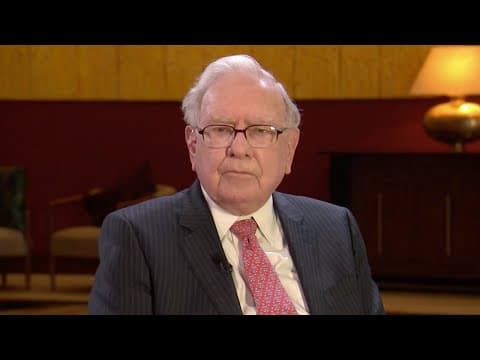
Warren Buffett | Bill Gates | Lecture | University Of Nebraska | 2005
TL;DR
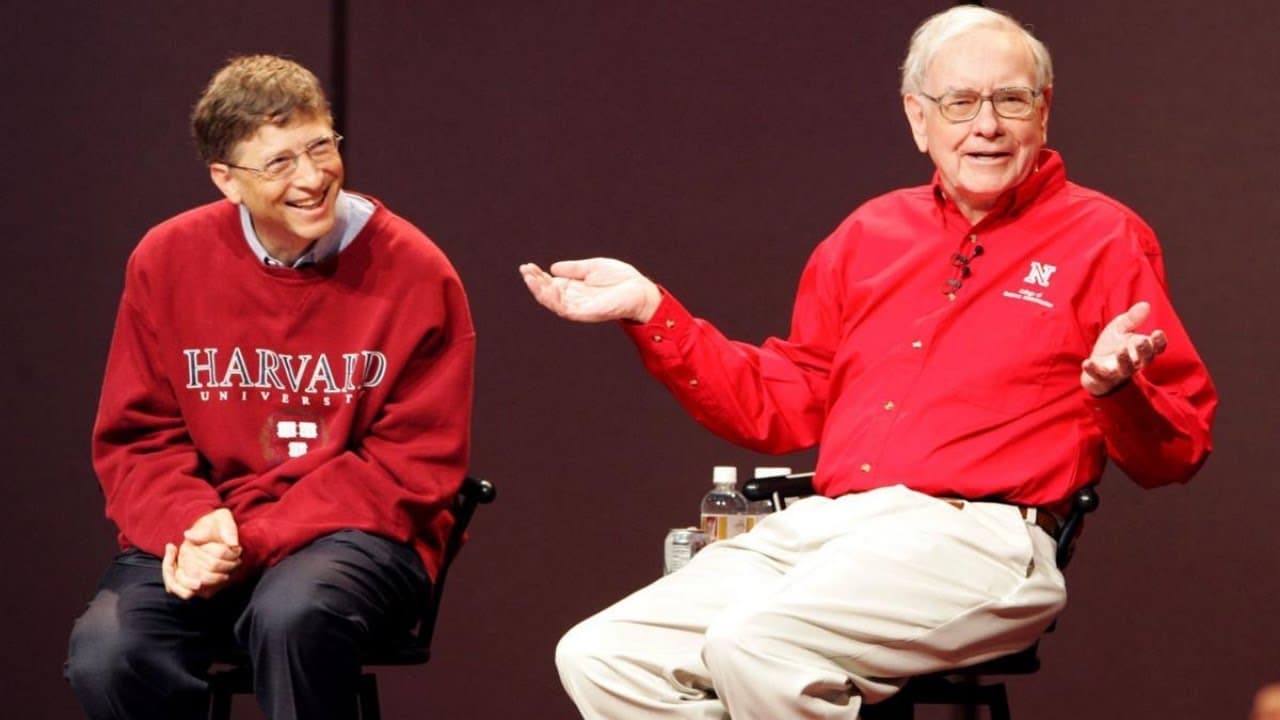
Warren Buffett and Bill Gates advise leaders to protect their reputations, build ethical organizations, structure work around their strengths, and recognize luck’s role in success. Buffett applies a “newspaper test” to every management decision, while Gates combines a full meeting calendar with two weeks each year for uninterrupted reading and thinking. Read on for their specific lessons on ethics, work habits, succession, friendship, and equity.
Transcript
i was just wondering what is what would you consider to be the worst investment you've ever made the worst investment i ever made how long do you have i received an email a couple weeks back from you and it said if i forwarded it to 20 people i'd get i'd get 10 000 i still haven't seen the money yet my favorite was they offered to cover my legal co... Read More
Key Insights
- The newspaper test is Buffett's ethical standard for managers: judge every action not only by legal standards but by how it would feel if written up the next day in the local paper, read by family, friends and neighbors, and written by a smart but unfriendly reporter.
- Reputation is treated as the one irreplaceable asset at Berkshire. Buffett says the company has all the money it needs and can afford to lose money, but cannot afford to lose reputation, which is why anything close to the ethical line is automatically out.
- Buffett's stated job is allocating capital, not managing operations. He says the businesses run themselves, he holds no meetings, keeps his days unstructured, reads a great deal, and uses the phone only a moderate amount.
- Gates's think week is two weeks a year spent reading and thinking about the future without interruption from work, with colleagues submitting material for him to read. Buffett joked that he is on think week about 50 weeks a year and works about two.
- Gates spends roughly 25 percent of his time traveling to meet customers in Europe, Asia and elsewhere, using those trips to check whether Microsoft has the right priorities and what people would like the company to do better.
- The two men met on July 5, 1991, at the Hood Canal home of Gates's parents, arranged through a friend of Buffett's who was an editorial page editor of the Washington Post and knew Gates's parents. Gates planned to leave after a few hours but stayed the whole day.
- Gates joined the Berkshire Hathaway board in December and explicitly ruled himself out as Buffett's successor, saying Berkshire has great people who understand its unique system and will step up when succession eventually takes place.
- Berkshire pays its directors 900 dollars a year. Buffett said he would like to pay more but does not want to give Gates ammunition on the rich list, framing Gates's board service as friendship rather than compensation, since the rewards are only psychic.
- Buffett described life outcomes partly as luck, saying he and Gates got lucky tickets in life: a ticket that said American and a ticket that said intelligent, in response to a question about the most challenging societal issues, where he named equity.
Install to Summarize YouTube Videos and Get Transcripts
Explore YouTube Video Summarizer or Get YouTube Transcript Extractor
Questions & Answers
Q: What is Warren Buffett’s newspaper test for business ethics?
Buffett asks managers to imagine their action described the next day in a local newspaper for their family, friends, and neighbors to read, with the story written by a smart but unfriendly reporter. Legal compliance is the first test, but anything close to the ethical line is out.
Q: How does Warren Buffett instill ethical leadership at Berkshire Hathaway?
Buffett tells managers that Berkshire can afford to lose money but cannot afford to lose its reputation. He supports that principle with the newspaper test and allows managers to call him about doubtful decisions, though he says needing to call probably signals a problem.
Q: How does Bill Gates promote ethical conduct at Microsoft?
Gates said Microsoft reviews each year the areas where employees must be careful, including working with suppliers and handling gifts. He also relies on observing senior leaders in action, noting that most of Microsoft’s top management joined shortly after completing whatever degree they pursued, if any.
Q: How does Warren Buffett structure his working day?
Buffett keeps his days largely unstructured, holds no meetings, reads extensively, and uses the phone moderately. Because Berkshire’s businesses largely run themselves, he focuses on allocating capital rather than managing their daily operations.
Q: What is Bill Gates’s think week?
Gates sets aside two weeks each year to read and think about the future without work interruptions. Microsoft colleagues submit material for him to review, while Buffett jokes that he spends about 50 weeks a year on think week and works for two.
Q: How does Bill Gates spend his working time?
Gates maintains a full meeting calendar and answers email at night after his children go to bed, often sending more messages over the weekend. He spends roughly 25 percent of his time traveling to meet customers and also works with new technology and researchers.
Q: Did Bill Gates plan to succeed Warren Buffett at Berkshire Hathaway?
No. Gates said he joined Berkshire Hathaway’s board in December to advise the company and help ensure it develops people for an eventual succession, but explicitly stated that the successor would not be him.
Q: What did Warren Buffett say about luck and social equity?
When asked about major societal challenges, Buffett identified equity and said that both he and Gates received lucky tickets in life. He described those tickets as being American and being intelligent, emphasizing that favorable circumstances contributed to their outcomes.
Summary
In this video, Warren Buffett and Bill Gates, two of the world's richest billionaires, engage in a dialogue with students from the University of Nebraska on various topics, including leadership, decision-making, success, and societal issues. They share their experiences, lessons, and insights on how to navigate the business world, make ethical decisions, and create a positive impact on society.
Questions & Answers
Q: What is the worst investment Warren Buffett has ever made?
Warren Buffett jokes that there have been many bad investments he has made over the years. However, he emphasizes that making mistakes is a part of investing and life in general. He believes that the worst mistakes are those of omission, where he didn't take action on opportunities he knew about. He mentions missing out on potential profits of up to $10 billion because he didn't act on certain investments.
Q: How does Warren Buffett ensure ethical leadership throughout his organization and assess if the management below him is making decisions aligned with his own values?
Warren Buffett emphasizes the importance of reputation and ethical decision-making in his organization. He encourages his managers to judge every action they take not just by legal standards but also by imagining how they would feel about it being written up in the local newspaper the next day. He believes that if an action passes this test, it is generally acceptable. He also mentions that if anything is close to the line, it means it's out. He trusts his managers to make the right decisions but is always available for consultations if needed.
Q: How does Bill Gates instill ethical leadership within Microsoft's management team and ensure their behavior aligns with the company's values?
Bill Gates explains that Microsoft's top management team consists of individuals who joined the company early on in their careers. He believes that their behavior and decision-making are demonstrated through their actions. They have annual discussions on important matters and ensure that the behavior of everyone in the company is consistent with their values. Gates mentions that he is the only college graduate on the panel, implying that education is not the sole factor in ensuring ethical leadership.
Q: Have Bill Gates or Warren Buffett ever considered taking over each other's roles in their respective companies?
Bill Gates mentions that being on Berkshire Hathaway's board is an honor for him, and while he is committed to being an advisor and helping with succession planning, he does not see himself taking over from Warren Buffett when he retires. Gates emphasizes that Berkshire Hathaway has many great people and a unique system that will eventually handle succession effectively.
Q: How did Warren Buffett and Bill Gates first meet?
Warren Buffett and Bill Gates first met on July 5th, 1991, in Washington. Buffett was invited by a mutual friend to meet Bill Gates' parents, and Bill decided to join the gathering as well. They instantly connected and discovered a shared passion for discussing the world's issues, which laid the foundation for their long-lasting friendship.
Q: How do Warren Buffett and Bill Gates manage their time and balance their work and personal lives?
Warren Buffett mentions that his days are relatively unstructured. He avoids too many meetings and spends a significant amount of time reading and thinking. He also emphasizes the importance of having the right people around, making work enjoyable, and maintaining a good work-life balance. Bill Gates mentions that he is often in meetings and spends time on emails at night after his kids have gone to bed. He also makes time for reading and thinking, dedicating two weeks every year to think and read without interruptions.
Q: What steps can new entrants into the job market take to accelerate their journey towards upper-level management positions?
Warren Buffett emphasizes the importance of surrounding oneself with high-grade people who bring out the best in one another. He suggests developing excellent public speaking skills and investing in personal growth. Buffett advises young individuals to invest in themselves because they are their biggest asset. Bill Gates adds that individuals who excel at the three core areas of strategy, leadership, and individual contributions have a higher chance of rising to upper-level management positions. He also mentions the value of partnering with others who complement one's skills and filling in any gaps.
Q: How do Warren Buffett and Bill Gates ensure that their children appreciate things that are not material and will bring them genuine happiness in life?
Warren Buffett shares that his children did not grow up in a wealthy environment, even after he became rich. They lived in the same house their entire lives and attended public schools. He believes that setting an example through behavior and surrounding oneself with high-quality people plays a significant role in shaping children's values and overall happiness. Bill Gates explains that he raised his children to value education and experiences over material possessions. He encourages young individuals to invest in broad exposure, including understanding the living conditions of less successful people, to develop a well-rounded worldview.
Q: What are some of the most important societal issues we face, and how can future leaders create a better society?
Bill Gates believes that issues of equity, both within and between countries, are crucial societal challenges. He emphasizes the need to renew the commitment to equality and invest in long-term solutions. Gates also suggests gaining exposure to conditions outside of one's immediate environment and understanding the challenges faced by people in different parts of the world. Warren Buffett adds that future leaders have a tremendous opportunity to change the world and leave it in a better state. By surrounding themselves with high-grade people, practicing ethical leadership, and working on endeavors that have a positive social impact, they can make a difference.
Q: If Warren Buffett and Bill Gates could have one superpower, what would it be?
Bill Gates shares that he would choose the power to extend people's lifetimes. He believes that if he could reduce the threat posed by nuclear knowledge and prevent evil individuals from causing harm, it would be a significant positive impact on the world. Warren Buffett jokingly suggests that a superpower he would like is the ability to read faster, as Bill Gates is a much faster reader than him.
Takeaways
In this video, Warren Buffett and Bill Gates share valuable insights and advice for success and making a positive impact. They emphasize the importance of ethical leadership, surrounding oneself with high-quality people, investing in personal growth, and following one's passion. Both billionaires encourage individuals to think independently, make their own decisions, and not be afraid to make mistakes. They highlight the significance of equity, both within and between countries, and stress the importance of leaving the world a better place through actions that benefit others.
Summary & Key Takeaways
-
Warren Buffett hosted Bill Gates for a question-and-answer session with students from the University of Nebraska school of business administration, where Buffett earned his bachelor's degree in 1950. The one condition placed on the event was that no faculty, staff, parents or reporters could speak: only students asked questions, and the questions were not shared with either man in advance.
-
On ethics, Buffett said Berkshire can afford to lose money but cannot afford to lose reputation, so managers must judge actions by legal standards first and then by the newspaper test. Gates said Microsoft's top management mostly joined straight after their degrees, that the company reviews yearly what people must be careful about, and that watching people in action builds confidence in their behavior.
-
Gates joined the Berkshire Hathaway board in December and ruled himself out as Buffett's successor, saying he will act as an advisor and help ensure Berkshire grooms people for succession. Buffett noted directors are paid 900 dollars a year, called Gates joining an act of friendship worth only psychic rewards, and said Gates could not even cover his flight with the director's fee.
Read in Other Languages (beta)
Share This Summary 📚
Summarize YouTube Videos and Get Video Transcripts with 1-Click
Try YouTube Summary with ChatGPT & Claude or YouTube Transcript Generator
Explore More Summaries from Investor Archive 📚


Summarize YouTube Videos and Get Video Transcripts with 1-Click
Try YouTube Summary with ChatGPT & Claude or YouTube Transcript Generator