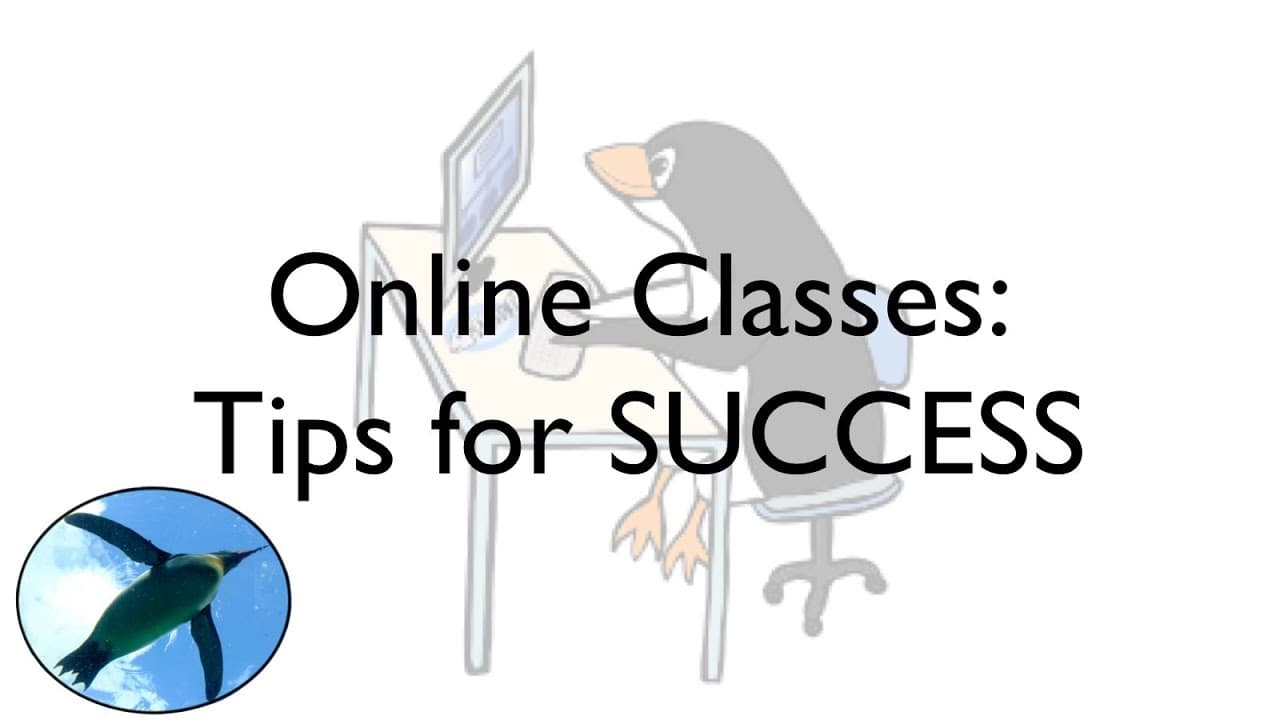
How to Succeed in Online Courses Effectively
TL;DR
Self motivation, organization, and active engagement predict online success. The main threats are at home distractions and poor time management, which can be mitigated by separating study time from class time, using Pomodoro or other time tools, and prioritizing important tasks over ones that are due soon.
Transcript
Hello, and welcome to the Penguin Prof Channel. This is part of my college success series and today I want to talk about online ed, strategies for success and actually whether or not online ed is right for you. I've spent the last year doing a lot online. I've read everything I could about online ed, I took a lot of courses, I took courses in my... Read More
Key Insights
- Online success hinges on student motivation and engagement, not on cost or prestige of the course.
- Distractions at home are the primary barrier to online learning, making deliberate time management crucial.
- The brain values immediate rewards, so strategies that provide quick wins help sustain study effort.
- Time management tools like the Pomodoro Technique create productive work cycles and prevent burnout.
- Covey’s Time Management Matrix shows that prioritizing Important over Due Soon drives long term outcomes.
- Small, achievable goals build momentum and reduce the perception of daunting long term targets.
- Reading demands in online courses can be higher, so strong reading skills support success.
- Rewatchability of online content is a key advantage that can offset some traditional classroom limitations.
Install to Summarize YouTube Videos and Get Transcripts
Explore YouTube Video Summarizer or Get YouTube Transcript Extractor
Questions & Answers
Q: A real search query question about the video (e.g. 'How to...', 'What is...', 'Why does...', 'When should...'). Question 1
What factors predict success in online courses according to the video, and how can a student apply them day to day? The video emphasizes that success is highest when students are self motivated, interested in the subject, comfortable with technology, and highly organized. To apply this, a student should choose courses they care about, set a consistent study schedule, and use digital tools to track progress and stay engaged with readings and assignments.
Q: Question 2
What does the video say about distractions and why they matter in an online learning environment, and what can a student do to counteract them? Distractions at home are described as the main obstacle to online learning, making it essential to separate study time from class time, create a dedicated learning space, and use techniques like Pomodoro to maintain focus. By structuring work into short, focused blocks, students can reduce procrastination and improve retention.
Q: Question 3
How does the video explain the role of dopamine and immediate rewards in online study, and what practical steps follow from this understanding? The video explains that the brain seeks immediate rewards, which can undermine long term study goals. Practical steps include designing study sessions that provide quick wins, rewarding progress after each block, and choosing activities or environments that minimize tempting distractions.
Q: Question 4
What is the Pomodoro Technique as described, and how should a student implement it for online coursework? The technique involves setting a timer for 25 minutes of uninterrupted work, followed by a 5 minute break, and repeating. This creates focused work sprints and helps manage time, especially when tackling tedious tasks, by rewarding short breaks and building consistent study habits.
Q: Question 5
What time management framework is highlighted, and how does it guide online study priorities? Covey’s Time Management Matrix is highlighted, with emphasis on prioritizing Important over Due Soon. The idea is to focus on long term goals and essential tasks rather than simply rushing through urgent items, which improves overall outcomes and reduces last minute stress.
Q: Question 6
What practical advice does the video offer for breaking tasks into manageable steps and maintaining motivation? The video recommends focusing on small steps, rewarding yourself for progress, and avoiding viewing long term goals as insurmountable. One should keep the mission in mind while progressing with incremental tasks, which helps maintain momentum and reduces procrastination.
Q: Question 7
How should a student handle reading load in online courses according to the video, and why is reading proficiency relevant? The video notes that online courses often require more reading since there is less direct lecturing. Therefore, strong reading skills are advantageous, and students should plan time specifically for reading and comprehension to keep pace with assignments and contribute to discussions.
Q: Question 8
What role do social and environmental factors play in online success as described, and how can a learner leverage them? Social aspects include staying motivated through interaction with peers and instructors, and environmental factors involve minimizing home distractions. Leveraging these means engaging with peers for accountability, seeking feedback, and creating a conducive study environment that mimics the structure of a classroom to sustain focus.
Summary & Key Takeaways
-
Online classes succeed when students are self motivated, focused, and comfortable with technology, and when they stay organized and engaged with the material.
-
Distractions at home and a tendency to procrastinate hinder progress, so structure and time management are essential for better retention and completion rates.
-
Using simple techniques like pomodoro, time management matrices, and breaking tasks into small steps helps students move toward long term goals and reduces burnout.
Read in Other Languages (beta)
Share This Summary 📚
Summarize YouTube Videos and Get Video Transcripts with 1-Click
Try YouTube Summary with ChatGPT & Claude or YouTube Transcript Generator
Explore More Summaries from ThePenguinProf 📚




Summarize YouTube Videos and Get Video Transcripts with 1-Click
Try YouTube Summary with ChatGPT & Claude or YouTube Transcript Generator