M10B MoDRN Accidents: Design Flaws
TL;DR
Risk analysis is crucial in identifying and preparing for unforeseen events and adverse consequences related to design flaws in hazardous situations.
Transcript
so this is one uh definition that I saw repeated in different forms and unanticipated our unforeseen event resulting in adverse consequences very close to to what you were saying um and so you start thinking about this I I like the way you say you know who knows maybe after this class we realize no we know they can happen but an unanticipated unfor... Read More
Key Insights
- 🖐️ Risk analysis plays a vital role in identifying and preparing for unanticipated events and adverse consequences.
- 🎨 Design flaws can introduce hazards, requiring a careful assessment and improvement in safety measures.
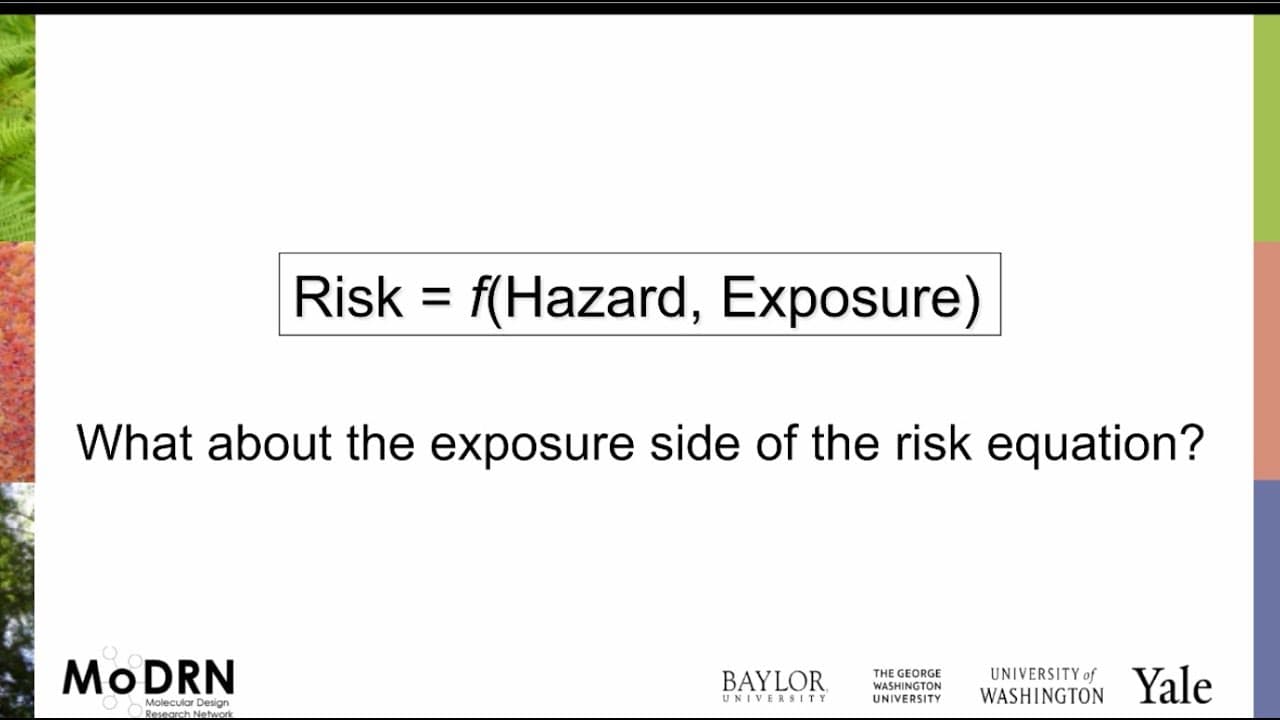
- ☣️ Hazard and exposure analysis helps determine the likelihood of adverse consequences and implement appropriate risk mitigation strategies.
- 🎨 Alternative designs that maintain functionality while minimizing hazards can be effective in reducing accidents.
- 🎨 Preparation for accidents is best approached during the design phase by addressing potential hazards and implement preventive measures.
- 🎨 The same properties that enable functionality can also pose potential risks, necessitating a balanced approach in design.
- 🛢️ The BP oil spill serves as an example of an unforeseen event resulting in adverse consequences and highlights the significance of risk analysis.
Install to Summarize YouTube Videos and Get Transcripts
Explore YouTube Video Summarizer or Get YouTube Transcript Extractor
Questions & Answers
Q: What is risk analysis and why is it important in hazardous situations?
Risk analysis involves evaluating potential hazards and assessing their likelihood and potential adverse consequences. It helps identify and prepare for unforeseen events, reducing the impact of accidents in hazardous situations.
Q: Can design flaws contribute to hazards?
Yes, design flaws can introduce hazards. The same properties that enable a device or system to function effectively can also pose risks. For example, a stove's heat facilitates cooking but can cause burns if touched. Acknowledging design flaws is crucial in improving safety measures.
Q: How do hazard and exposure relate to risk analysis?
Hazard refers to the inherent potential for harm in a certain substance, device, or process. Exposure describes the likelihood of encountering the hazard. Assessing both hazard and exposure allows for determining the probability of adverse consequences and implementing appropriate risk mitigation strategies.
Q: Are there alternative designs that can minimize hazards in certain activities?
Yes, innovative designs can help mitigate hazards. For example, laser cutters with enclosed beams prevent the equipment from generating a laser beam unless it is enclosed. Finding alternative designs that maintain functionality while reducing risks is crucial in preventing accidents.
Summary & Key Takeaways
-
Risk analysis helps anticipate and mitigate the adverse consequences of unanticipated events, as seen in the BP oil spill.
-
Hazard and exposure are essential elements of risk analysis, determining the likelihood of adverse consequences.
-
Design flaws can present hazards, but innovative approaches, such as laser cutters with enclosed beams, can minimize accidents.
Read in Other Languages (beta)
Share This Summary 📚
Summarize YouTube Videos and Get Video Transcripts with 1-Click
Try YouTube Summary with ChatGPT & Claude or YouTube Transcript Generator
Explore More Summaries from YaleCourses 📚






Summarize YouTube Videos and Get Video Transcripts with 1-Click
Try YouTube Summary with ChatGPT & Claude or YouTube Transcript Generator