How can we change who we are across layers
TL;DR
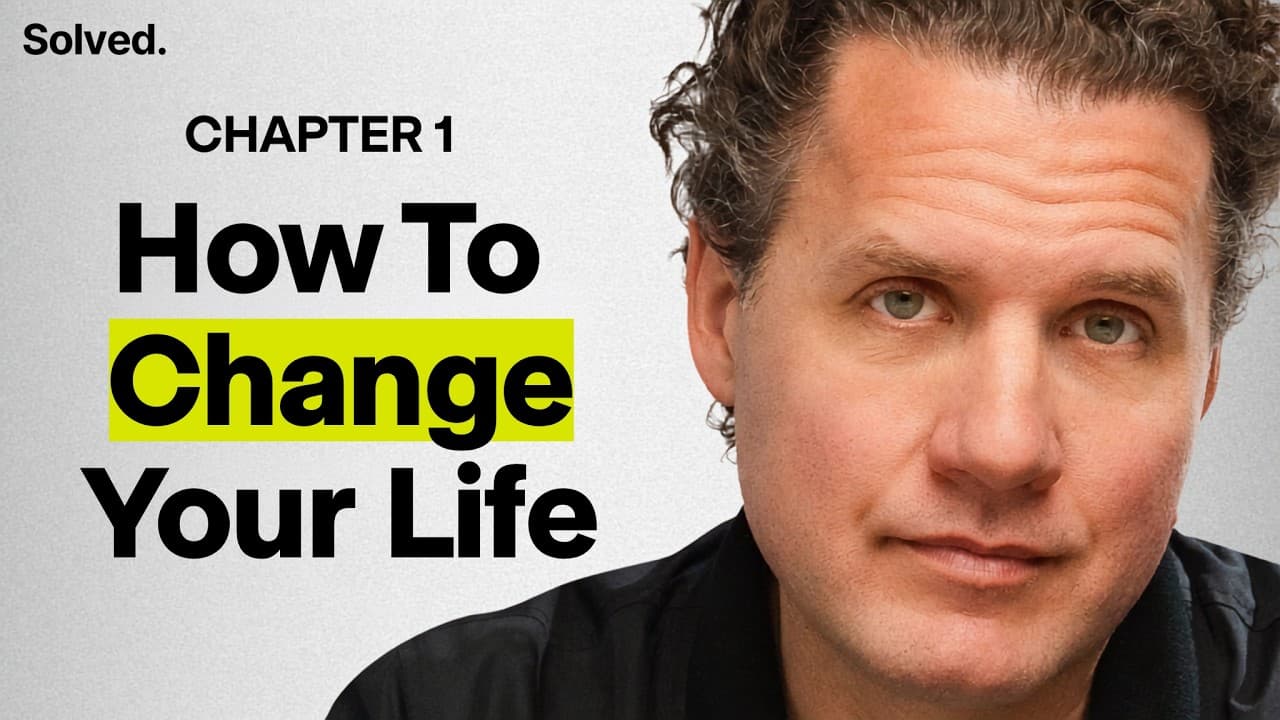
Change is possible but selective, not total. The key idea is that people are a layered system and you must identify the layer that actually changes, otherwise efforts at self improvement fail. The episode traces a historic debate between Freud and Allport and then explains a three layer model of the self that guides practical steps for lasting change.
Transcript
Drew, did you notice? >> Notice what? >> I'm a new person. >> I >> completely new. >> I did not notice this. >> Completely new. Top to bottom. I can't believe you didn't notice. >> Okay. So, tell me. >> Did you see the white wall? >> Well, we're Yeah. Okay. New studio. >> This is my wall. >> All right. >> I replaced my black wall with my white wall... Read More
Key Insights
- Change is possible but not all aspects of the self can be changed at once. The most effective changes target the layer where real change is feasible.
- The debate between Freud and Allport centers on whether people are defined by their past or by their decisions in the moment, highlighting the ambiguity of personal identity.
- A layered system of the self is needed to measure and guide change, because different layers respond to different techniques and stimuli.
- Most people try to change using the wrong target, which leads to repeated failure and frustration.
- The world’s best known personality tests often predict little about how a person will change, because they misidentify the layer that matters for lasting change.
- Understanding patterns and gaining insight alone have limited power unless they point to the appropriate layer of the self to change.
- There is a four step pattern behind all durable change, suggesting a repeatable framework for action.
- Harsh or traumatic experiences can sometimes trigger deeper, faster, and more permanent changes when navigated correctly.
Install to Summarize YouTube Videos and Get Transcripts
Explore YouTube Video Summarizer or Get YouTube Transcript Extractor
Questions & Answers
Q: How do we define change in the context of the three layer self model?
Change is defined as altering behavior, decisions, and character at the layer where it is feasible. The episode argues that people are a layered system and that addressing the wrong layer yields limited results. By identifying the correct layer, individuals can apply targeted strategies to move toward a more functional and intentional self.
Q: What is the historical debate between Freud and Allport about change?
The debate centers on whether people are defined by their past or by the choices they make in the present. Freud believed in limited capacity to change through psychoanalysis, while Allport argued for agency and the possibility of changing one’s decisions over time. The episode uses this tension to motivate a layered approach to identity.
Q: Why do many people fail at change even with insight and motivation?
Because they aim at the wrong target repeatedly for years. Insight and motivation alone are not enough if they do not align with the layer of the self that can actually change. The episode emphasizes selecting the correct layer to focus change efforts on for lasting results.
Q: What are the three layers of the self mentioned in the episode?
The episode introduces a three layer model of identity, where each layer represents different aspects of the self and responds to different change mechanisms. It argues that recognizing which layer is being targeted is essential to choosing effective strategies and avoiding futile attempts at superficial change.
Q: How does the episode describe personality tests in relation to change?
The episode states that the most popular personality tests often predict almost nothing useful about how a person will change because they do not identify the layer of change that actually matters. It suggests that tests can be misleading for practical change if they miss the correct layer.
Q: What role do patterns and self awareness play in changing the self?
Insight and self awareness are valuable but have limited power unless they illuminate the correct layer that needs change. The episode warns that understanding patterns alone may be almost useless unless it leads to actionable steps aligned with the layer capable of changing.
Q: What is described as the four step pattern behind durable change?
The four step pattern represents a repeatable framework that underpins lasting change. While the exact steps are not enumerated in the provided text, the emphasis is that a structured approach targets the right layer and uses a consistent sequence to move from insight to action to habit formation and maintenance.
Q: How do traumatic events relate to durable change according to the chapter?
Harrowing traumatic events can lead to the most durable changes when they influence the correct layer of the self and are navigated with an understanding of the layered identity. The episode suggests trauma can catalyze fast, deep changes if directed at the appropriate layer and processed through a coherent framework.
Summary & Key Takeaways
-
The episode argues that real change depends on identifying the correct layer of the self to address, rather than chasing broad improvements that touch the surface. It contrasts Freud and Allport to show that both fixed and flexible views can be true in different contexts.
-
The three layer model helps explain why habits recur and why traditional personality tests predict little about change. By focusing on the layer where change is possible, readers can target practical steps.
-
The discussion emphasizes a four step pattern and notes that traumatic events can lead to durable changes when the right layer is engaged and the process is understood deeply.
Read in Other Languages (beta)
Share This Summary 📚
Summarize YouTube Videos and Get Video Transcripts with 1-Click
Try YouTube Summary with ChatGPT & Claude or YouTube Transcript Generator
Explore More Summaries from Mark Manson 📚




Summarize YouTube Videos and Get Video Transcripts with 1-Click
Try YouTube Summary with ChatGPT & Claude or YouTube Transcript Generator