How to turn spreadsheets into profitable SaaS startups
TL;DR
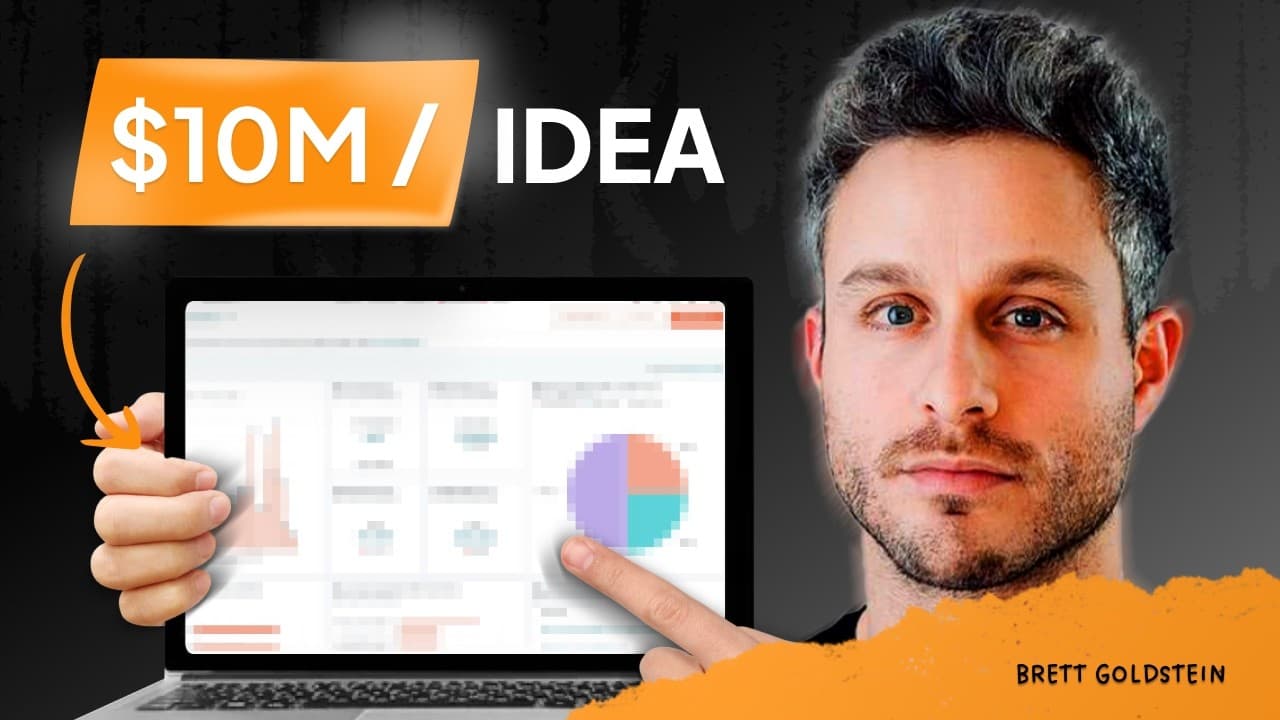
Spreadsheets can spark scalable SaaS ideas by digitizing data, creating a wedge in a niche, and building user friendly tooling. A conference focused app can centralize side events, enable one click RSVPs, and include a directory and chat to facilitate in person networking. Expand from conferences to cross event opportunities for growth.
Transcript
like anytime you have any industry anywhere in the world where somebody's using a spreadsheet it should be like you know a light bulb going off as like this is a startup opportunity one of the other kind of like Universal rules of startups is that like once you aggregate users in a place you know in some digital property you can add I love it becau... Read More
Key Insights
- A wedge is built by focusing on power users within a niche and delivering tailored features that outperform generic solutions.
- The central insight is that spreadsheets often represent hidden opportunities to digitize processes into scalable software products.
- A conference oriented app can solve a real pain point by aggregating side events, reducing manual RSVP work, and improving attendee connections.
- The product should start with a one click RSVP and a map based view to quickly demonstrate value and drive early adoption.
- A directory plus chat feature creates both a one to one and a social network dynamic, increasing engagement.
- Cross event compatibility is crucial; once users adopt the app for one conference, they should be able to reuse it for others with minimal friction.
- The monetization path can include advertising and enterprise use cases by targeting event organizers and vendors with tailored features.
- Disruption comes from aggregating data workflows that are currently scattered across spreadsheets into a cohesive platform.
- More videos from this channel:
- More from this channel: Greg Isenberg
Install to Summarize YouTube Videos and Get Transcripts
Explore YouTube Video Summarizer or Get YouTube Transcript Extractor
Questions & Answers
Q: How to identify a wedge for a new SaaS product?
A wedge is found by identifying a high value user segment that is underserved by current tools and where data pours into a repeatable workflow. Start with a concrete pain point, such as consolidating conference side events from different sources, and design a first version that resolves that specific problem end to end. Validate with real users quickly and iterate on features that matter most to that niche.
Q: What is the first minimal viable feature for the conference app?
The initial MVP should centralize data into a single consumable view with a map based listing of side events and a one click RSVP capability. This directly addresses the friction of discovering events and committing to participation, which is the core user need at conferences. Early feedback should confirm usability and speed.
Q: How can the app compete with established event platforms?
Compete by focusing on a narrow niche of power conference attendees and delivering a superior one player experience for finding and connecting with events. Build a strong directory with rich profiles, enable easy direct messaging, and offer localized context such as check ins and attendee recommendations. Leverage user feedback to continuously refine the wedge.
Q: What is the role of data in this SaaS idea?
Data is the backbone. Ingesting and structuring event data from spreadsheets and disparate sources lets the product present a clean, searchable experience. Rich metadata like dates, locations, and speakers enhances relevance. Data quality drives trust, which in turn improves engagement and monetization opportunities.
Q: How does the product transition from conference use to broader adoption?
After proving value with conferences, expand by identifying adjacent verticals where similar data aggregation and networking challenges exist. Use the same core architecture to support other event types or professional gatherings, and gradually add features like AI driven matchmaking, cross event recommendations, and enterprise integrations to scale.
Q: What is a realistic path to monetization in this model?
Start with a freemium model offering basic discovery and RSVP features, then monetize through premium listings for organizers and targeted advertising to vendors. As the user base grows, introduce enterprise tier offerings for large events with analytics, attendee management, and custom integrations to capture higher value contracts.
Q: What are common pitfalls to avoid in early stages?
Avoid overbuilding before validating the core wedge. Don’t neglect data quality and privacy when ingesting event information and attendee details. Resist generic feature bloat and stay focused on the most impactful use cases for the target niche. Regular user feedback loops are essential to stay aligned with real needs.
Q: How can the team validate product market fit quickly?
Define clear success metrics such as active users, RSVPs per event, and message engagement. Conduct rapid experiments with a small set of conferences, track engagement, and iterate on the features that drive retention. Use user interviews to uncover unmet needs and adjust the roadmap to address those insights.
Summary & Key Takeaways
-
A wedge is created by targeting a niche with better features for a specific user group and proving the value quickly within that segment. This approach enables rapid iteration and greater user loyalty as the product expands beyond its initial scope.
-
The core product idea centers on converting scattered conference data into a centralized, map based RSVP and directory experience, which lowers friction for attendees to find and meet potential connections.
-
The expansion strategy relies on building social and professional networking capabilities inside the product, then extending to multiple events and use cases to reach enterprise scale and compete with established platforms.
Read in Other Languages (beta)
Share This Summary 📚
Summarize YouTube Videos and Get Video Transcripts with 1-Click
Try YouTube Summary with ChatGPT & Claude or YouTube Transcript Generator
Explore More Summaries from Greg Isenberg 📚


Summarize YouTube Videos and Get Video Transcripts with 1-Click
Try YouTube Summary with ChatGPT & Claude or YouTube Transcript Generator