How to Handle Difficult Conversations Calmly
TL;DR
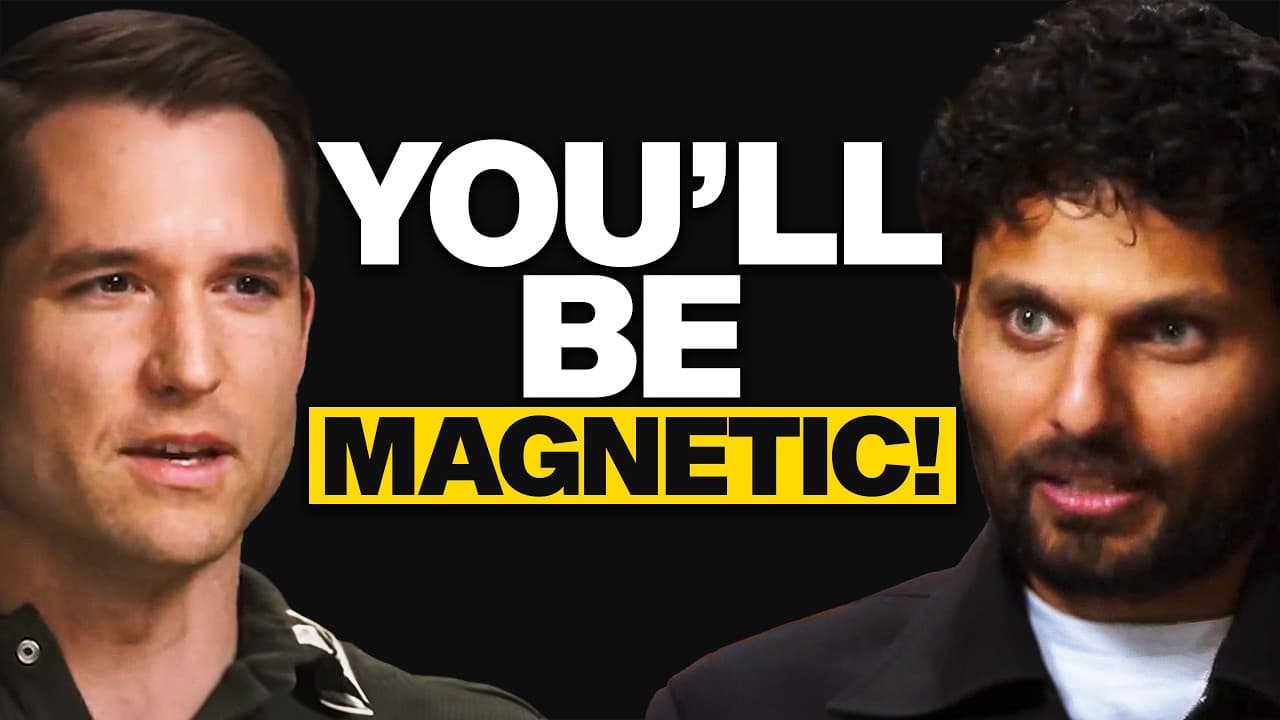
Treat arguments as attempts to feel understood, not contests to win. Face difficult conversations with honesty, ask “What did you hear?” when your message lands badly, and request a reset instead of debating your tone. You can validate another person’s feelings without agreeing, while remembering that managing their emotional response is not your responsibility.
Transcript
Arguments are not something to win. The [music] person in front of you isn't fighting you. They are fighting to feel understood by you. >> How do we communicate with someone who doesn't want to communicate with us? >> The people who will use silence as a punishment. That to me is the number one sign of low emotional intelligence. >> Hey everyone, w... Read More
Key Insights
- Communication is a learned skill that can create greater peace in marriages, friendships, parenting, and work. A stronger tolerance for difficult conversations allows relationships to become deeper because people can address uncomfortable realities instead of continually avoiding them.
- Avoidance is a temporary escape whose cost eventually becomes due. A difficult subject may emerge only when someone reaches their limit, or the opportunity to say what mattered may disappear because the other person is no longer available.
- Fear of a difficult conversation is often fear of its predicted outcome. Examining what would actually happen after rejection, disappointment, or separation can reveal that life would continue and that personal worth does not depend entirely on another person staying.
- People-pleasing is a form of inauthentic communication that prioritizes another person’s comfort over what is true. Repeatedly performing the hero, fixer, or permanently cheerful person creates a character instead of allowing a relationship to encounter the whole person.
- Miscommunication occurs because what a speaker says is not necessarily what a listener hears. Tone, expression, context, and subjective perception can alter the received message, even when the speaker feels certain about how the words were delivered.
- The question “What did you hear?” is a practical way to uncover a listener’s interpretation before conflict expands. It shifts attention from proving how something was said toward understanding its impact and clarifying what the speaker actually intended.
- Emotional intelligence is demonstrated by how quickly someone asks for a reset and clarifies intent. Saying that a message landed differently than intended requires openness to being wrong and prevents a secondary argument about tone from replacing the original issue.
- Arguments are often attempts to feel understood rather than contests that need a winner. Viewing the other person through that lens makes validation, calm clarification, and connection more useful than pressuring them to change their opinion or admit defeat.
- More videos from this channel:
- More from this channel: Jay Shetty Podcast
Install to Summarize YouTube Videos and Get Transcripts
Explore YouTube Video Summarizer or Get YouTube Transcript Extractor
Questions & Answers
Q: How can I approach a difficult conversation without fear?
Approach the conversation by identifying the outcome you fear and asking what would happen next if it occurred. The fear may be valid, but rejection or disappointment does not mean life will fall apart. Speak honestly rather than offering a pleasing performance, and remember that it is not your responsibility to experience or manage another person’s feelings for them.
Q: Why should difficult conversations be addressed early?
Difficult conversations should be addressed because avoidance does not eliminate the underlying issue. The subject often returns when frustration has reached its limit, making a calm discussion harder, or the opportunity to say something important may disappear entirely. Facing discomfort earlier also shows that honesty and vulnerability can occur without automatically destroying the relationship or causing the feared outcome.
Q: What is the biggest mistake people make in communication?
A major communication mistake is assuming that the message spoken is exactly the message heard. The listener may interpret tone, volume, expression, or meaning differently from what the speaker intended. Arguing about the delivery can create a second conflict unrelated to the original subject, while checking the listener’s interpretation makes clarification and repair possible.
Q: How does asking “What did you hear?” prevent arguments?
Asking “What did you hear?” invites the listener to describe the message they received instead of forcing both people to debate what was supposedly said. Their answer can reveal an unintended meaning or tone. The speaker can then acknowledge the difference, explain the intended message, and ask for a reset before the misunderstanding becomes a separate argument.
Q: How can someone validate feelings without agreeing?
Validation means recognizing that another person’s emotional experience is real and understandable, not declaring that every interpretation or opinion is correct. Conflict becomes easier to manage when the goal is helping the other person feel heard rather than forcing them to concede. This approach supports connection while still allowing both people to maintain different views and clarify their intentions.
Q: What does emotional intelligence look like during conflict?
Emotional intelligence during conflict appears in the willingness to repair quickly. A person can recognize that their message landed badly, state that the impact did not match the intention, and request a reset. This requires accepting the possibility of being wrong about one’s own tone or expression, since people are unreliable judges of how they appeared while speaking.
Q: Why does people-pleasing damage authentic communication?
People-pleasing replaces honest expression with statements and roles designed to keep another person comfortable. Someone may repeatedly act like the fixer, hero, or person who is never sad because that character appears acceptable. Over time, living around everyone else’s needs can make the person feel less authentic, disconnected from their identity, and uncertain about their own purpose.
Q: How can I repair a conversation after my words are misunderstood?
Repair the conversation by stopping the debate over who remembers the delivery correctly. Ask what the other person heard, listen to their interpretation, and acknowledge when it differs from your intention. Then clearly state what you meant and ask to redo the message. A quick reset keeps the misunderstanding from becoming a larger conflict about tone, blame, or who is right.
Summary & Key Takeaways
-
Avoiding difficult conversations may reduce discomfort temporarily, but unresolved issues eventually demand attention or leave important truths unsaid. Building tolerance for honest, vulnerable discussions can deepen relationships because both people discover that disagreement or emotional exposure does not automatically cause rejection, separation, or the collapse they feared.
-
Fear of difficult conversations often reflects a deeper concern about whether someone can remain secure and worthy without another person’s approval. Saying only what will please others creates an inauthentic role, encourages people-pleasing, and can gradually weaken a person’s sense of identity, purpose, and emotional independence.
-
Conflict frequently escalates because speakers assume their intended message matches what listeners heard. Asking “What did you hear?” reveals differences in interpretation and creates an opportunity to clarify intent. Emotionally intelligent communicators repair misunderstandings quickly, accept that they may be wrong, and prioritize understanding over defending their original delivery.
Read in Other Languages (beta)
Share This Summary 📚
Summarize YouTube Videos and Get Video Transcripts with 1-Click
Try YouTube Summary with ChatGPT & Claude or YouTube Transcript Generator
Explore More Summaries from Jay Shetty Podcast 📚






Summarize YouTube Videos and Get Video Transcripts with 1-Click
Try YouTube Summary with ChatGPT & Claude or YouTube Transcript Generator