What is the Anti-Tax Movement and Its Impact on Tax Policy?
TL;DR
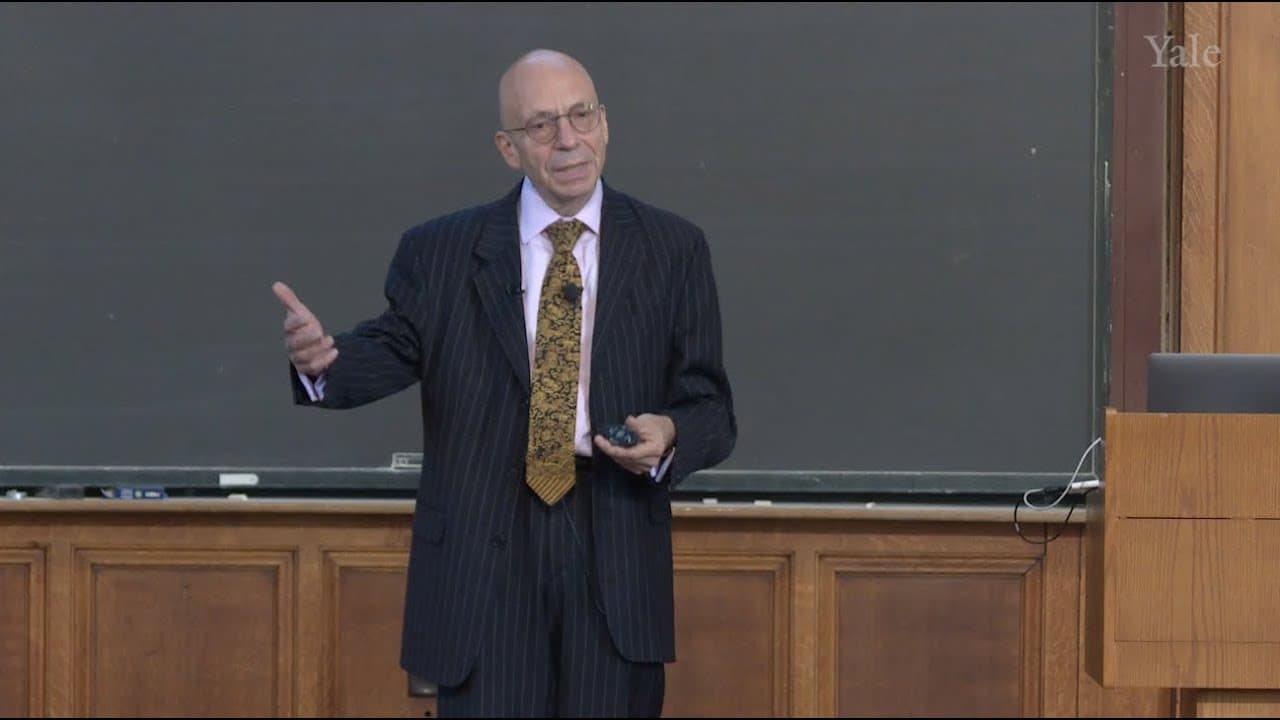
The anti-tax movement, led by Grover Norquist, successfully repealed the estate tax in 2001 by uniting diverse groups, including small business owners and liberal supporters. While this coalition capitalized on moral narratives for a 'total repeal', the broader goal of shrinking government has yet to be realized, as government spending and deficits continue to rise.
Transcript
- Let's start with The Daily Show. (fanfare) (audience applauding) - You're here! - Good to be with you. - The evil Grover Norquist. - Sweetie pie. - There you go, "Debacle." So listen, you've come up with the pledge. Here's where you seem to have stepped in it. You came up with this pledge that you don't want people to raise taxes ever and you got... Read More
Key Insights
- 🚕 The anti-tax movement successfully repealed the estate tax in 2001 by creating a diverse coalition of supporters, including small business owners, liberals, and wealthy individuals.
- 😢 The movement utilized moral narratives and a rallying cry of "total repeal" to maintain unity within the coalition.
- 😮 Despite the success of the anti-tax movement, the goal of shrinking government has not been achieved, as government spending and deficits continue to rise.
- 🖕 Tax cuts, particularly for middle-class Americans, have become a unifying issue for the Republican Party.
Install to Summarize YouTube Videos and Get Transcripts
Explore YouTube Video Summarizer or Get YouTube Transcript Extractor
Questions & Answers
Q: How did the anti-tax movement manage to repeal the estate tax?
The anti-tax movement created a diverse coalition by rallying support from various groups, such as small business owners, liberals, and wealthy individuals. They utilized moral narratives and a rallying cry of "total repeal" to maintain unity within the coalition.
Q: Why did some liberal Democrats support the repeal of the estate tax?
Some liberal Democrats, such as Congressman Albert Wynn, supported the repeal due to pressure from constituents, particularly small business owners. They believed that the estate tax placed a burden on small businesses and saw the repeal as a way to support them.
Q: Did organized labor oppose the repeal of the estate tax?
No, organized labor did not strongly oppose the repeal of the estate tax. Their focus was on other issues, such as labor rights and organizing, and they did not see the estate tax as a priority.
Q: How did the anti-tax movement manage to maintain unity within the coalition?
The anti-tax movement used moral narratives and a strong focus on the issue of "total repeal" to maintain unity within the coalition. They framed the estate tax as morally repugnant and mobilized various groups around this shared goal.
Summary & Key Takeaways
-
The anti-tax movement, spearheaded by Grover Norquist, successfully rallied Republicans and diverse groups, such as small business owners, liberals, and wealthy individuals, to repeal the estate tax in 2001.
-
The repeal was achieved through careful coalition-building, utilizing moral narratives and a rallying cry of "total repeal" to maintain unity within the coalition.
-
Despite the success of the anti-tax movement, the goal of shrinking government has not been realized, as government spending and deficits continue to rise.
Read in Other Languages (beta)
Share This Summary 📚
Summarize YouTube Videos and Get Video Transcripts with 1-Click
Try YouTube Summary with ChatGPT & Claude or YouTube Transcript Generator
Explore More Summaries from YaleCourses 📚





Summarize YouTube Videos and Get Video Transcripts with 1-Click
Try YouTube Summary with ChatGPT & Claude or YouTube Transcript Generator