How Is the Pursuit of Pleasure Destroying You? Aldous Huxley and Modern Slavery
TL;DR
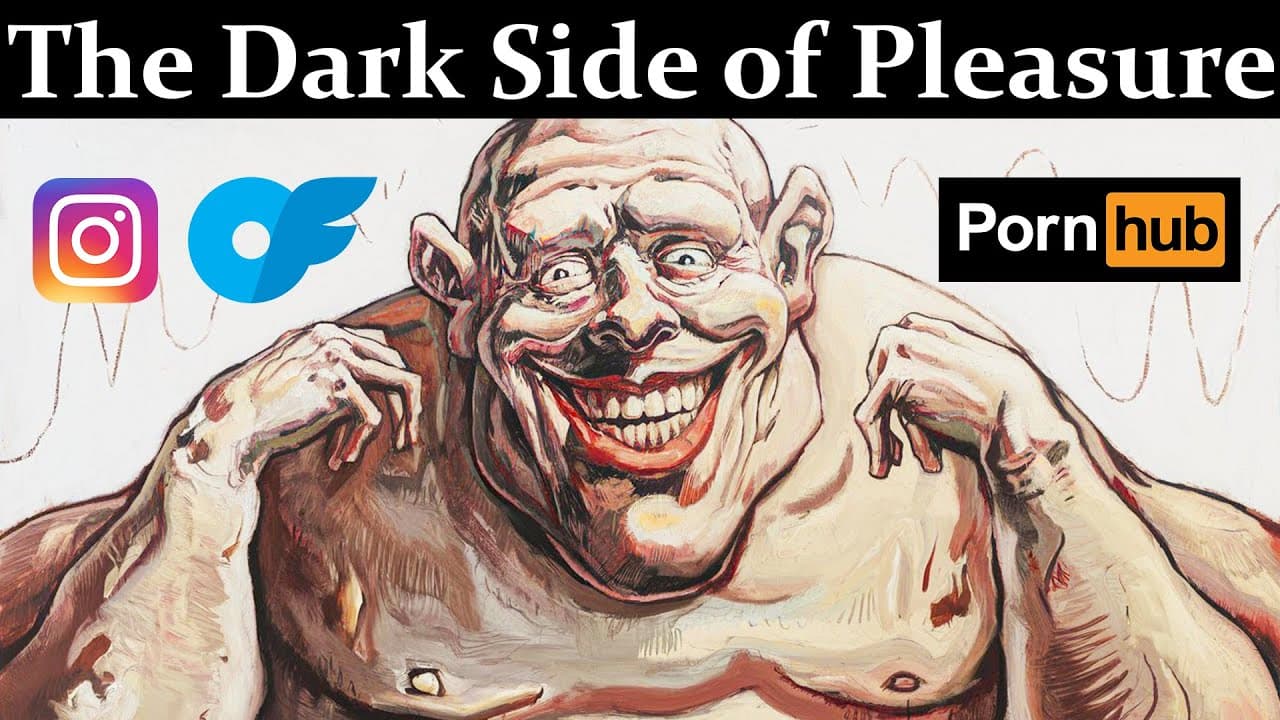
The pursuit of constant pleasure can destroy your freedom by conditioning you to escape every discomfort through instant gratification. Aldous Huxley's Brave New World depicts control without chains, where people are conditioned from birth to avoid discomfort and accept servitude through pleasure. The transcript connects this warning to phones, social media, entertainment, shopping, and other distractions, then explains why recognizing this cycle matters.
Transcript
do you think you are free think carefully before answering you wake up and the first thing you do is grab your phone scrolling through the screen in search of something new something to distract you then maybe a coffee a dose of dopamine while watching a short video a song to relieve the boredom on your way to work or college you consume more stimu... Read More
Key Insights
- Modern society conditions individuals to seek pleasure as a form of control, creating a cycle of instant gratification that keeps people trapped in a state of voluntary servitude.
- Aldous Huxley's vision in 'Brave New World' predicted a society where pleasure is used as a tool for control, making people love their servitude without the need for force or repression.
- The relentless pursuit of instant happiness leads to a weakening of psychological resilience, making individuals more manipulable and less capable of critical thinking.
- Social media, entertainment, and consumer culture provide constant distractions that prevent individuals from facing discomfort, leading to a loss of introspection and critical thought.
- Pleasure is temporary and requires constant renewal, while purpose provides lasting fulfillment and resilience, offering a path to true liberation from the cycle of instant gratification.
- To escape the trap of pleasure-driven conditioning, individuals must practice strategic deprivation, rebuild tolerance for discomfort, cultivate critical thinking, and seek purpose over fleeting pleasures.
- Despite breaking free from the cycle, individuals may face resistance from a society still immersed in the pursuit of pleasure, as their freedom becomes a threat to others' illusions.
- Real freedom requires rejecting the easy path of distraction and embracing purpose, even if it leads to loneliness and resistance from those who remain blind to the system's control.
- "the problem isn't pleasure itself pleasure is a natural tool of the human mind an evolutionary mechanism that drives us to seek what keeps us alive" (0:46)
- "the perfect slavery needs no chains it does not require torture threats or constant surveillance it only needs something simple yet devastatingly effective pleasure" (2:31)
- "when pleasure becomes the center of existence servitude disguises itself as freedom and this is exactly what Huxley predicted in Brave New World" (2:42)
- "we live in the age of instant gratification where any discomfort can be smothered in seconds with a touch on the screen" (3:51)
- "over time you lose the ability to deal with boredom with silence with introspection your mind becomes incapable of being alone with itself" (4:45)
Install to Summarize YouTube Videos and Get Transcripts
Explore YouTube Video Summarizer or Get YouTube Transcript Extractor
Questions & Answers
Q: How can the pursuit of pleasure destroy your freedom?
Constantly using immediate pleasure to relieve discomfort conditions the mind to treat distraction as its standard response. Over time, this can weaken the ability to tolerate boredom, silence, and introspection, creating servitude that feels like freedom.
Q: What did Aldous Huxley predict about pleasure and modern slavery?
Aldous Huxley predicted a world where people would not need to be forced into obedience because pleasurable stimuli would keep them entertained and passive. In Brave New World, people are conditioned from birth to avoid discomfort and love their servitude.
Q: How does Brave New World use pleasure as a form of control?
The society in Brave New World replaces the search for meaning with cheap distractions and conditions people to avoid suffering or deep thought. When negative feelings arise, citizens use Soma, described as a drug that keeps them anesthetized and docile.
Q: Why is instant gratification so difficult to resist?
The transcript says repeated relief trains the brain to seek immediate pleasure whenever discomfort appears. That conditioning makes reaching for a phone, notification, video, or other stimulus feel automatic, even when a person intends to focus on something productive.
Q: What modern distractions reinforce the cycle of instant gratification?
The transcript identifies social media, series, food, alcohol, shopping, sex, pornography, games, podcasts, music, short videos, and incessant notifications. These stimuli can smother boredom, sadness, frustration, or existential unease within seconds.
Q: Why does pleasure-based control feel like a personal choice?
No one appears to force people to scroll, shop, eat, or consume entertainment. Yet conditioning makes stopping difficult, so apparent freedom can conceal dependence on repeated stimulation and immediate relief.
Q: How does constant distraction affect critical thinking?
Constant entertainment prevents people from pausing to reflect, understand uncomfortable feelings, or question the world around them. The transcript also argues that education emphasizes repetition, work emphasizes production, and entertainment supplies distractions, collectively reducing interest in critical thought.
Q: What is the difference between Huxley's warning and George Orwell's warning?
The transcript says George Orwell warned of brutal repression in 1984. Huxley's vision was control through entertainment and pleasurable stimuli, producing a world where slavery requires no chains because people love their servitude.
Summary & Key Takeaways
-
Modern society traps individuals in a cycle of instant gratification, where pleasure is used as a tool for control, aligning with Aldous Huxley's vision of voluntary servitude. The pursuit of temporary happiness weakens psychological resilience, making people more manipulable and less capable of critical thinking.
-
Social media, entertainment, and consumer culture provide constant distractions that prevent introspection, leading to a loss of critical thought. To escape this trap, individuals must practice strategic deprivation, rebuild tolerance for discomfort, cultivate critical thinking, and seek purpose over fleeting pleasures.
-
Real freedom requires rejecting the easy path of distraction and embracing purpose, even if it leads to loneliness and resistance from society. Despite breaking free, individuals may face resistance from those still immersed in the pursuit of pleasure, as their freedom becomes a threat to others' illusions.
Read in Other Languages (beta)
Share This Summary 📚
Summarize YouTube Videos and Get Video Transcripts with 1-Click
Try YouTube Summary with ChatGPT & Claude or YouTube Transcript Generator
Explore More Summaries from Psyphoria 📚

Summarize YouTube Videos and Get Video Transcripts with 1-Click
Try YouTube Summary with ChatGPT & Claude or YouTube Transcript Generator