What Are Zero and First Conditionals in English Grammar?
TL;DR
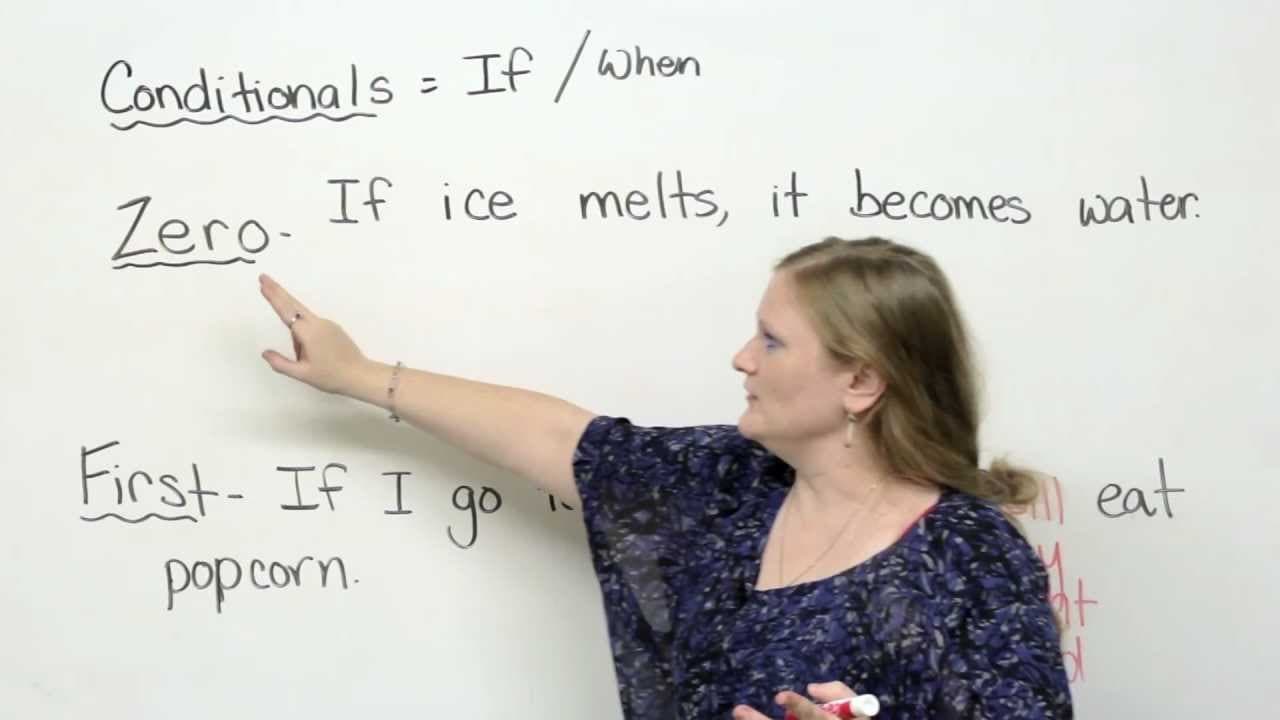
Zero conditionals express universal truths or scientific facts, using the structure 'if' + subject + base verb. First conditionals are used for likely events, structured as 'if' + subject + base verb + modal (like 'will' or 'may'). Understanding these conditionals is essential for clear communication in English.
Transcript
Hello there. My name is Ronnie. I'm going to teach you some English. I'm going to teach you some grammar. We love grammar. Grammar is hard, difficult, confusing, nerve-wracking. I hope to make this really, really simple for you. I'm going to teach you about conditionals. Now, a lot of people get really mixed up and confused and hate conditionals. I... Read More
Key Insights
- 0️⃣ Zero conditionals are used for scientific or always true statements in English grammar.
- 😑 First conditionals express probable situations that are likely to happen but not guaranteed.
- ⚾ The structure of zero conditionals includes "if" + subject + base verb without modals, while first conditionals require modals like "will," "may," "might," or "could."
- 💁 Understanding conditionals is essential for conveying different types of information accurately in English.
- ❓ Ronnie simplifies the concept of conditionals and emphasizes their importance in effective communication.
- ❓ Conditionals often start with "if" or "when" in English sentences.
- ❓ Using the correct conditional structure is crucial for conveying precise meaning in English grammar.
Install to Summarize YouTube Videos and Get Transcripts
Explore YouTube Video Summarizer or Get YouTube Transcript Extractor
Questions & Answers
Q: What is the difference between zero and first conditionals in English grammar?
Zero conditionals are used for scientific truths that are always true, while first conditionals express probable situations that are likely to happen but not guaranteed. The structure of zero conditionals does not include modals, unlike first conditionals.
Q: How do you form a zero conditional sentence in English?
To form a zero conditional sentence, use "if" or "when" followed by the subject and then the base verb, with no other forms of the verb allowed. This structure is used for statements that are always true or scientific facts.
Q: Can you provide an example of a zero conditional sentence?
Sure, an example of a zero conditional sentence is "If you heat ice, it melts." This statement expresses a scientific fact that is always true when heat is applied to ice.
Q: Why are modals used in first conditionals but not in zero conditionals?
Modals such as "will," "may," "might," and "could" are used in first conditionals to express the likelihood of an event happening, unlike zero conditionals which deal with scientific truths that are always true and do not require modals.
Summary & Key Takeaways
-
Ronnie introduces zero and first conditionals in English grammar, emphasizing their simplicity and importance.
-
Zero conditionals are used for scientific truths that are always true, while first conditionals express probable situations.
-
The structure of zero and first conditionals differs in the use of modals in first conditionals.
Read in Other Languages (beta)
Share This Summary 📚
Summarize YouTube Videos and Get Video Transcripts with 1-Click
Try YouTube Summary with ChatGPT & Claude or YouTube Transcript Generator
Explore More Summaries from English with Ronnie · EnglishLessons4U with engVid 📚




Summarize YouTube Videos and Get Video Transcripts with 1-Click
Try YouTube Summary with ChatGPT & Claude or YouTube Transcript Generator