What drives affordability and inflation in the U.S. today?
TL;DR
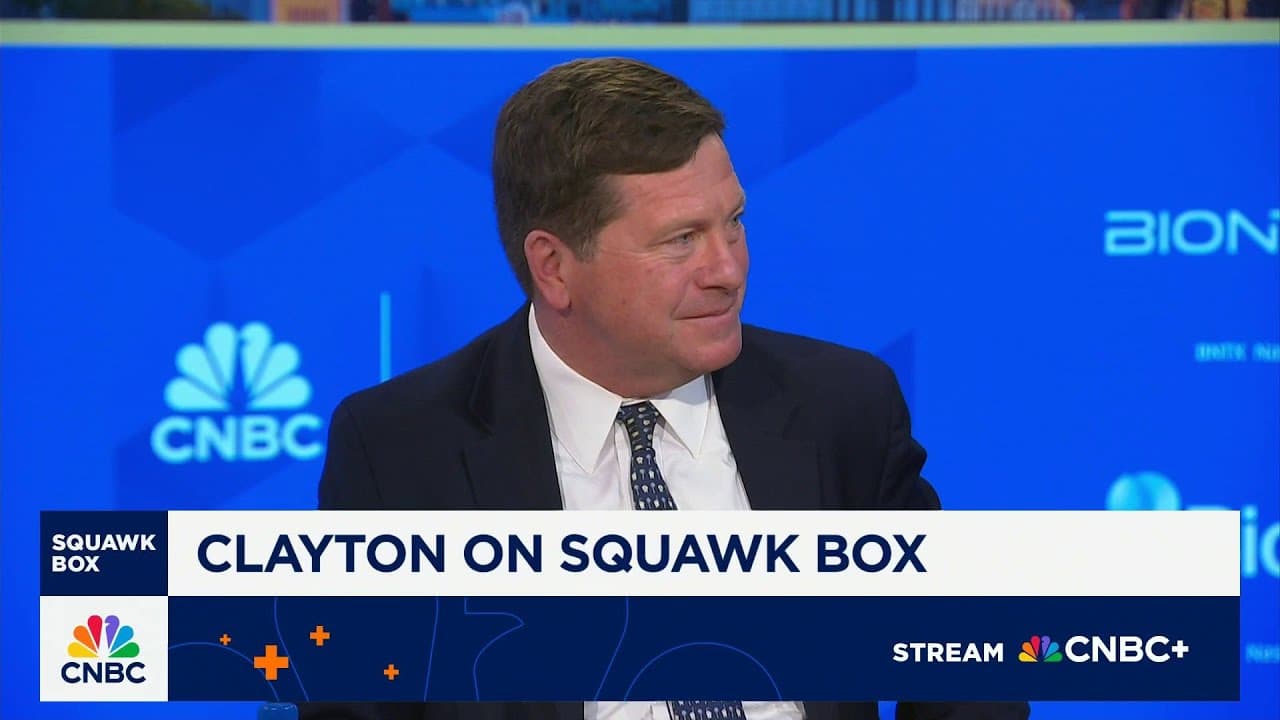
Affordability hinges on several price drivers, including housing, energy, healthcare, and education costs, plus how prices move relative to wages. Clayton argues that a 22 percent price increase under Biden created the affordability issue, while wage trends and policy areas like energy transmission and housing regulation influence ongoing inflation and cost of living.
Transcript
HAS HIGH PRICES. NO, OUR PRICES ARE COMING DOWN TREMENDOUSLY FROM THE HIGHEST PRICES IN THE HISTORY OF OUR COUNTRY. >> OLICK. >> AND JOINING US NOW IS JAY CLAYTON. HE IS THE U.S. ATTORNEY FOR THE SOUTHERN DISTRICT OF NEW YORK AND A FORMER CHAIRMAN OF THE SEC. I'D LIKE TO BE ABLE TO TAKE THE PRESIDENT'S SIDE. JUST EXPLAIN HOW TO EXPLAIN IT, CAUSE IT... Read More
Key Insights
- Affordability is framed around a 22% price increase under Biden, which the speaker calls the core affordability issue.
- Prices remain high across the economy, with wages having fallen when Biden took office and now rising, impacting consumer purchasing power.
- Energy prices and the need for transmission investment are identified as levers that could lower electricity costs.
- Housing costs are linked to high replacement and construction costs, driven by regulation and local permitting processes.
- Education costs are rising due to subsidies and ancillary purchases beyond classroom costs, impacting affordability for students and families.
- Open air drug markets and homelessness are discussed as public safety and urban policy concerns that affect city costs and quality of life.
- The relationship between federal enforcement and city issues is explored, emphasizing that federal actions occur where crimes rise to federal levels or involve specific public safety concerns.
- The interview signals a call for competence and reform in city governance to improve affordability and safety, including housing, policing, and transit infrastructure.
- More videos from this channel:
- More from this channel: CNBC Television
Install to Summarize YouTube Videos and Get Transcripts
Explore YouTube Video Summarizer or Get YouTube Transcript Extractor
Questions & Answers
Q: What factors contribute most to the affordability problem today
The affordability problem is described as driven by a 22% price increase under the Biden administration, along with high prices in energy, housing, healthcare, and education. The discussion highlights that these cost pressures reduce household purchasing power, especially when wages do not keep pace. The overall message is that affordability depends on how fast prices grow relative to incomes and how policy areas address those price drivers.
Q: How do wages relate to the inflation issue discussed
Wages reportedly fell from the time Biden took office to when he left, contributing to perceived affordability challenges, but are now rising again. The core idea is that wage dynamics interact with ongoing price levels to shape consumer experience of inflation, where rising wages can help offset high prices, yet the persistence of price levels continues to influence affordability.
Q: What role does energy transmission play in lowering costs
Energy transmission is identified as a factor in why electric bills stay high, and investing in transmission is suggested as a bipartisan area for reducing costs. By improving energy infrastructure, the argument is that supply reliability improves and consumer costs can be moderated, contributing to overall affordability alongside other policy measures.
Q: Why is housing affordability a major concern
Housing affordability is tied to high replacement costs and regulatory barriers that increase construction time and expenses, leading to higher prices for affordable units. The discussion emphasizes the need for streamlined processes and competent governance to lower the cost and time required to build housing, thereby improving affordability for residents.
Q: How does education cost affect affordability
Education costs are rising not just due to classroom expenses but also because of subsidies and ancillary purchases that families must shoulder. The speaker argues that reducing these hidden or peripheral costs could help alleviate overall affordability pressures for students and households.
Q: What public safety issues are connected to affordability in cities
Public safety concerns, including open air drug markets and homelessness, are linked to affordability through their impact on quality of life and city costs. The conversation notes that targeted enforcement and improved governance are needed to reduce these issues, which can otherwise elevate living costs and reduce safety.
Q: How do federal and local enforcement roles interact with city affordability
The discussion outlines a dynamic where federal enforcement acts where crimes rise to federal levels, while local enforcement and governance shape day-to-day affordability and safety. The speaker stresses cooperation between agencies and city leadership to address crime, housing, and safety in ways that support affordability for residents.
Q: What reforms are suggested to improve city affordability and safety
Reforms suggested include improving housing regulation and permitting processes to reduce construction costs, investing in energy transmission to lower utility costs, and ensuring competent governance in public services like policing and housing authorities. The overarching goal is to align policy actions with real-world affordability and safety outcomes for residents.
Summary & Key Takeaways
-
This summary explains the core drivers of affordability discussed in the interview, focusing on price movements in housing, energy, healthcare, and education, and how these interact with wages to shape overall inflation and cost of living. It highlights the administration and regulatory themes raised by the interviewee.
-
The piece also covers structural issues such as housing regulation, construction costs, and the role of public safety and city governance in affecting resident costs and affordability.
-
Finally, it touches on the federal versus local enforcement dynamic and the connection between policy actions and real-world affordability outcomes in cities like New York.
Read in Other Languages (beta)
Share This Summary 📚
Summarize YouTube Videos and Get Video Transcripts with 1-Click
Try YouTube Summary with ChatGPT & Claude or YouTube Transcript Generator
Explore More Summaries from CNBC Television 📚




Summarize YouTube Videos and Get Video Transcripts with 1-Click
Try YouTube Summary with ChatGPT & Claude or YouTube Transcript Generator